

The Top 10 Fitness Myths Social Media Won’t Let Die (and What Science Actually Says)
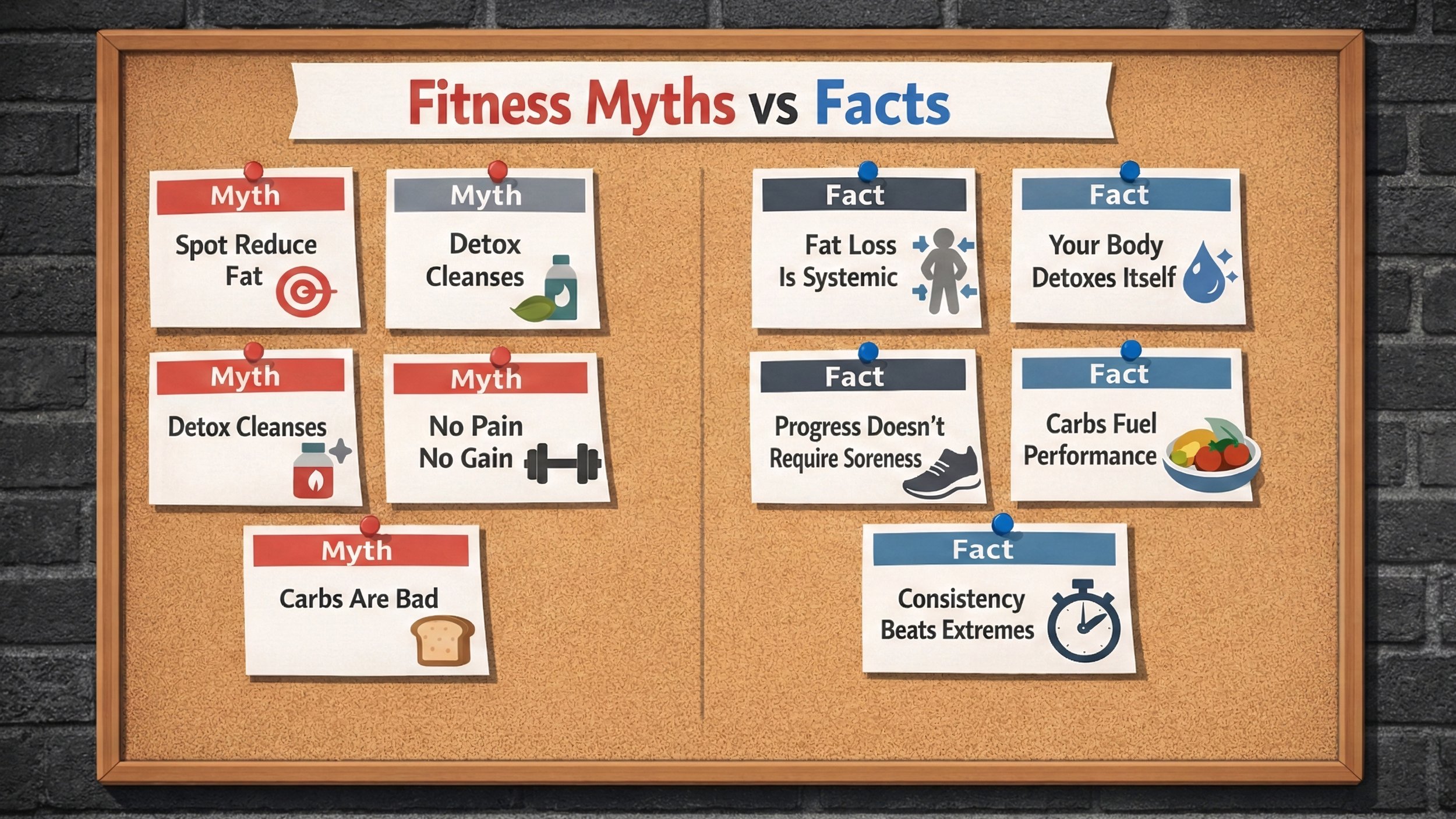
If you spend even five minutes on social media, you’ll see someone claiming they have a "secret" trick to get fit. It’s hard to know what’s real and what’s just someone trying to sell you a tea or a weird gadget.
That’s why I always tell my clients: "Your path to strength and longevity should involve science, but it doesn't have to be rocket science."
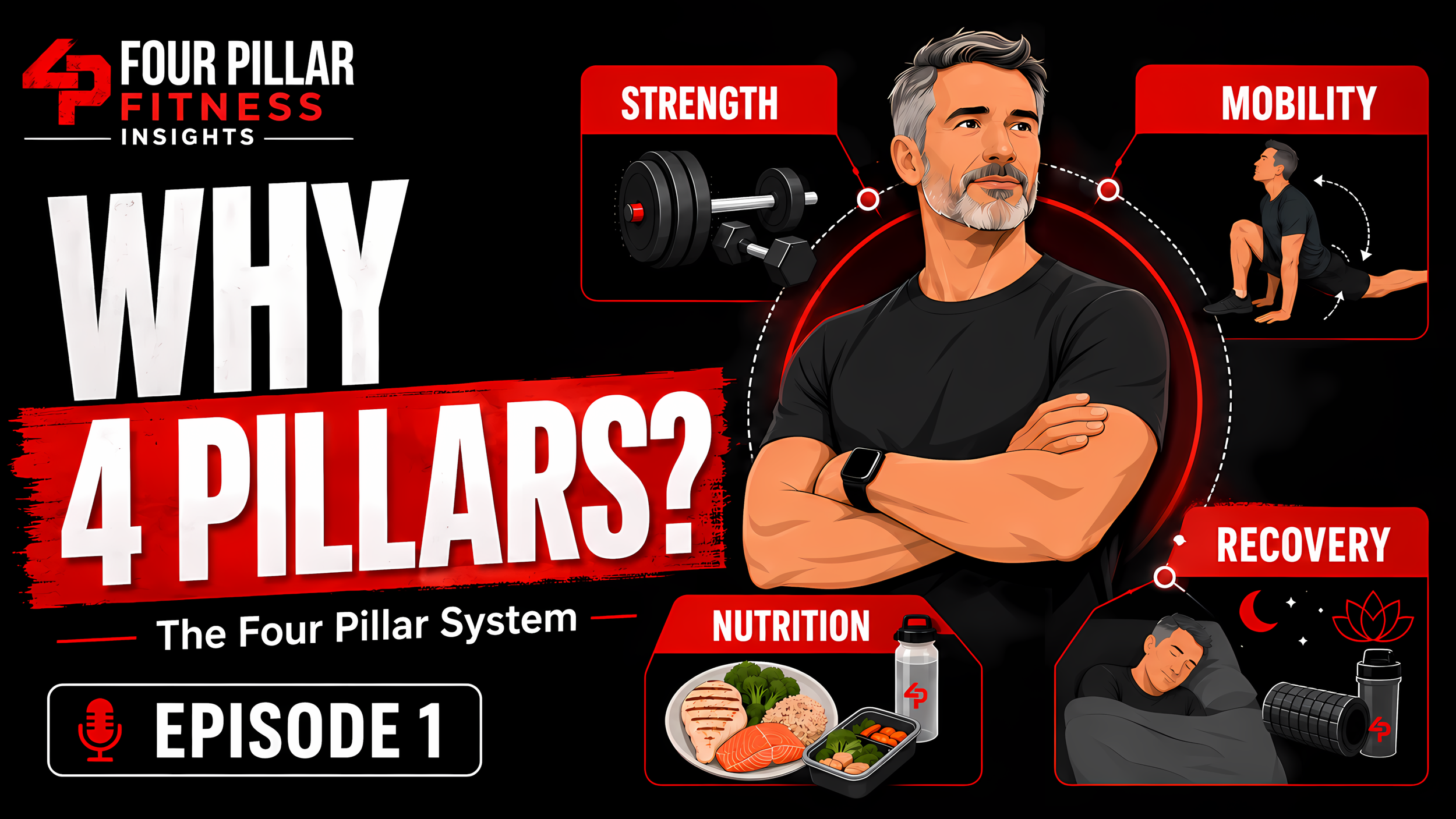
To keep things simple, we’re going to look at the top 10 myths through my Four Pillars of Fitness: Strength, Mobility, Nutrition, and Recovery. Let’s get to the truth.
Myth 1. You can choose where you lose fat
You’ve seen the videos. "Do this one move to lose your love handles!" It sounds great, but it’s just not how your body works. Fat loss happens all over your body at the same time. You can’t tell your body to only burn fat from your stomach or your arms. Your genes actually decide where the fat comes off first.
Even though you can't pick the spot, your body does follow a pattern. For men, fat usually gathers around the belly. When men start to lose weight, they often see it leave their face and arms first, while the belly is usually the last place to get lean. For women, fat often stays in the hips and thighs. Women usually notice fat loss in their face and chest first, but the hips and thighs are often the most stubborn areas to change. This is all because of your hormones and how they like to store energy.
The Pillar: Nutrition and Strength
The Science: 1. Vispute, S. S., et al. (2011). "The effect of abdominal exercise on abdominal fat." Journal of Strength and Conditioning Research. 2. Karastergiou, K., et al. (2012). "Sex differences in human adipose tissues - the biology of android and gynoid fat." Biology of Sex Differences.
Myth 2. Heavy weights make you look bulky
I hear this one all the time. Most often, it's from women who walk into the gym for the first time to ask about training. They want to get "toned," but they're scared that if they pick up a heavy dumbbell, they’ll wake up looking like a giant bodybuilder.
Don't worry, that won't happen by accident. Building huge muscles takes years of very specific eating and incredibly hard work. For most people, lifting heavy just makes them stronger, leaner, and healthier. It helps you build the "toned" look most people are actually looking for.
The Pillar: Strength
The Science: Westcott, W. L. (2012). "Resistance training is medicine: effects of strength training on health." Current Sports Medicine Reports.
Myth 3. You must feel pain to make progress
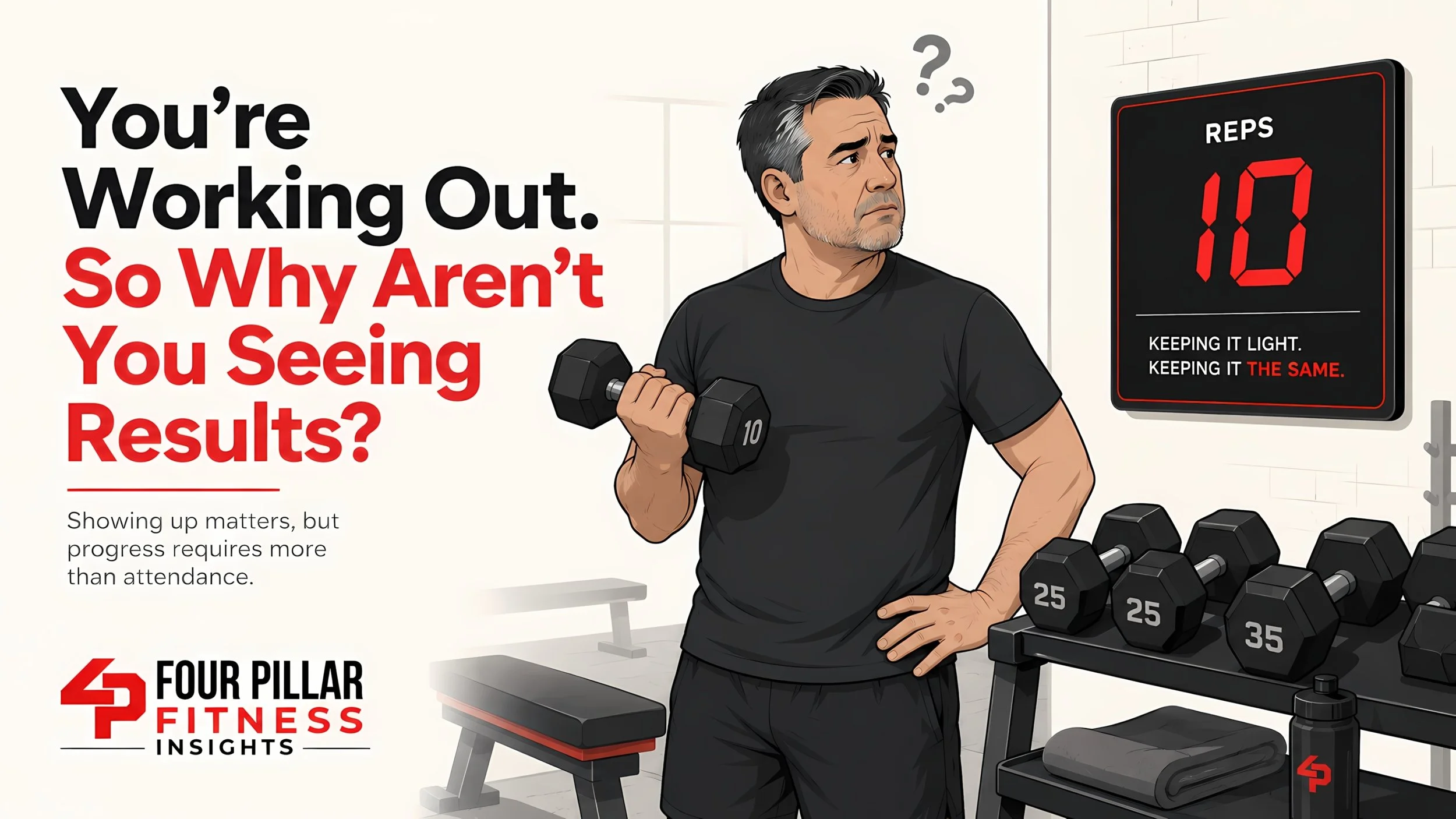
The old "no pain, no gain" saying has caused a lot of injuries. While your muscles might feel tired or a little sore after a good workout, you shouldn't feel sharp pain. If it hurts, stop. Pushing through real pain isn't tough, it's just a quick way to get hurt and end up on the couch.
However, there’s a big difference between "pain" and "effort." To see results, you still have to work hard. You want to train "close to failure." This means by the end of your set, it should feel very difficult to do one more rep with good form. If your workout is too easy, your body won't have a reason to change. You're looking for a deep tired feeling in the muscle, not a stabbing pain in your joints.
The Pillar: Strength and Recovery
The Science: 1. Herbert, R. D., & de Noronha, M. (2011). "Stretching to prevent or reduce muscle soreness after exercise." Cochrane Database of Systematic Reviews. 2. Grgic, J., et al. (2022). "Effects of Resistance Training to Muscle Failure on Muscle Hypertrophy: A Systematic Review and Meta-Analysis." Journal of Sport and Health Science.
Myth 4. Carbohydrates are bad for you
Social media loves to pick a "bad guy," and lately, it’s carbs. People say bread and pasta are the reason you aren't losing weight. The truth is that carbs are your body’s main fuel source. You need them for energy. You only gain weight when you eat more total calories than your body needs, not because of one specific food.
It’s important to know that not all carbs are the same. "Simple" carbs, like sugar, white bread, and soda, can make your energy crash and leave you feeling hungry again quickly. They're usually the worst option because they don't have much nutrition. "Complex" carbs, like oats, brown rice, and vegetables, are much better. They give you steady energy and keep you full longer because they have fiber. So, don't hate carbs, just choose the complex ones more often.
The Pillar: Nutrition
The Science: 1. Hall, K. D., et al. (2016). "Energy expenditure and body composition changes after an isocaloric ketogenic diet." American Journal of Clinical Nutrition. 2. Slavin, J. L., & Lloyd, B. (2012). "Health benefits of fruits and vegetables." Advances in Nutrition.
Myth 5. More sweat equals more fat burned
Some people wear heavy clothes or sit in hot saunas thinking they’re "melting" fat. You’re actually just losing water weight. As soon as you have a glass of water, that weight comes right back. Sweating is just your body’s way of keeping you cool so you don't overheat.
Because you lose so much water when you sweat, you have to put it back in. This is why hydration is so important when you're doing hard strength training. If you don't drink enough water while you're lifting, you'll feel tired and your strength will go down. Keeping a water bottle nearby helps you stay strong and helps your muscles recover after the workout is over.
The Pillar: Strength and Recovery
The Science: 1. Sawka, M. N., et al. (2007). "American College of Sports Medicine position stand. Exercise and fluid replacement." Medicine & Science in Sports & Exercise. 2. Judelson, D. A., et al. (2007). "Effect of hydration state on resistance exercise performance." Medicine & Science in Sports & Exercise.
Myth 6. If you stop working out, your muscle turns into fat
Muscle and fat are two totally different things. It’s like saying a piece of wood can turn into a brick. It’s impossible. If you stop exercising, your muscles might get smaller and you might gain some fat if you’re eating too much, but one never turns into the other.
The Pillar: Strength
The Science: Wolfe, R. R. (2006). "The underappreciated role of muscle in health and disease." American Journal of Clinical Nutrition.
Myth 7. You need a juice cleanse to detox
Your body already has a built-in detox system. It’s called your liver and your kidneys. They work 24 hours a day to keep you clean. You don't need expensive juices or "detox teas" to help them out. Eating whole foods and drinking water is all they need to do their job.
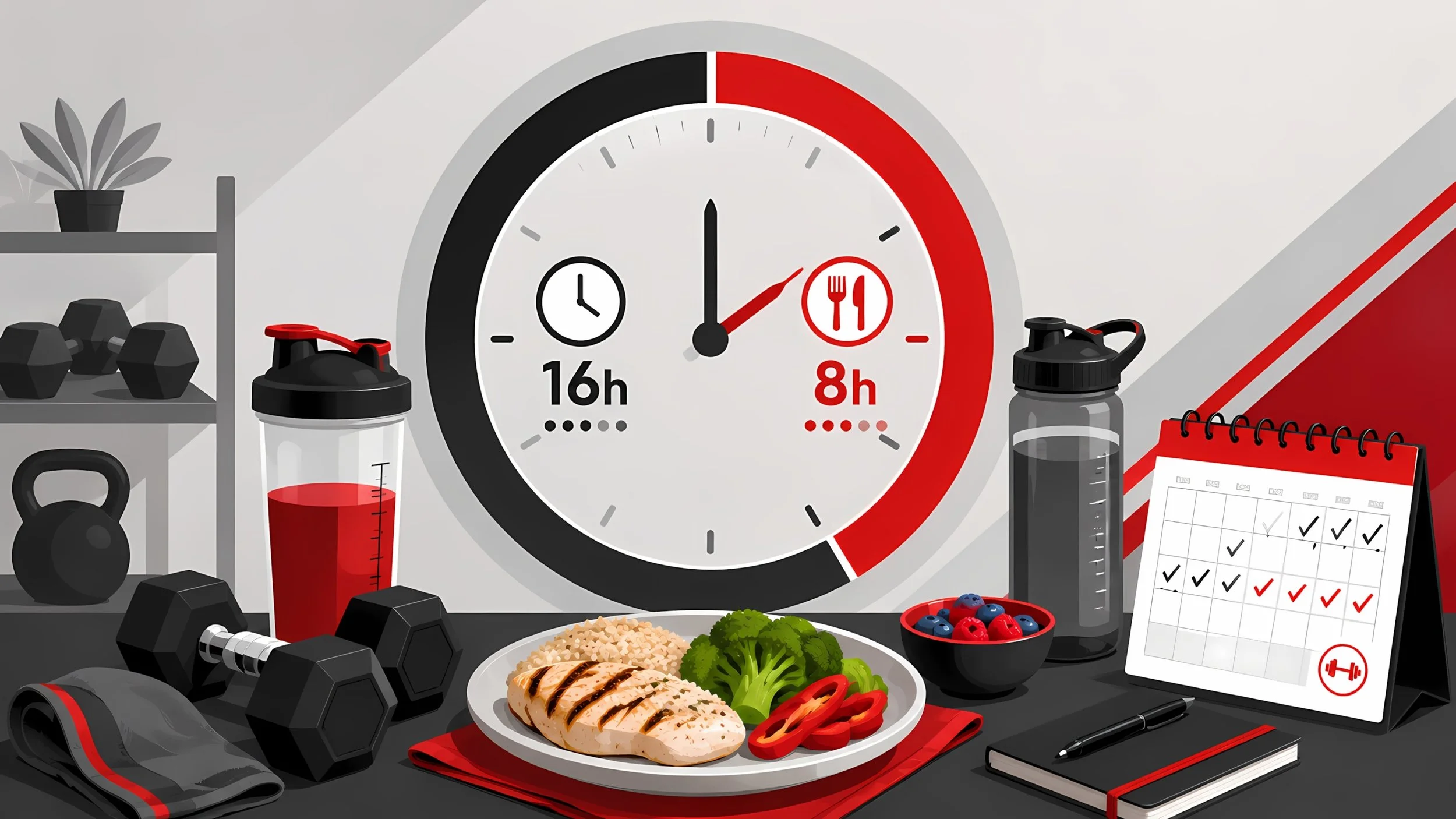
If you really want to help your body "clean" itself, science shows that fasting is much more effective than a juice cleanse. When you go for a certain amount of time without eating, your body starts a process called "autophagy." This is like your cells' way of taking out the trash. It breaks down old, damaged parts of your cells and recycles them. It’s a natural way to reset, and you don't need a special drink to make it happen.
The Pillar: Nutrition and Recovery
The Science: 1. Klein, A. V., & Kiat, H. (2015). "Detox diets for toxin elimination and weight management: a critical review of the evidence." Journal of Human Nutrition and Dietetics. 2. Bagherniya, M., et al. (2018). "The effect of fasting or calorie restriction on autophagy induction: A review of the literature." Ageing Research Reviews.
Myth 8. You should always stretch before you exercise
Holding a long stretch while your muscles are cold can actually make them weaker before your workout. It's better to do a "dynamic" warm-up. This means moving while you stretch, like doing arm circles or leg swings. Save the long, deep stretches for after your workout when your muscles are warm.
The Pillar: Mobility
The Science: Behm, D. G., & Chaouachi, A. (2011). "A review of the acute effects of static and dynamic stretching on performance." European Journal of Applied Physiology.
Myth 9. Eating late at night makes you gain weight
Your body doesn't have a clock that suddenly starts turning food into fat at 8 PM. A calorie is a calorie whether you eat it at noon or at midnight. Most people gain weight from late-night eating because they’re usually snacking on junk food while watching TV, not because of the time of day.
The Pillar: Nutrition
The Science: Baron, K. G., et al. (2011). "Role of sleep timing in caloric intake and BMI." Obesity.
Myth 10. You need huge amounts of protein to build muscle
Protein is important, but there’s a limit to how much your body can actually use at one time. Eating tons of extra protein won't make your muscles grow faster. The science shows that there’s a sweet spot for how much you need based on how active you are.
For an average person who isn't very active, you only need about 0.8 grams of protein for every kilogram you weigh (about 0.36 grams per pound). But if you’re consistently doing strength training, you need more to help your muscles repair. Most experts suggest between 1.2 and 2.0 grams of protein per kilogram of body weight (about 0.5 to 0.9 grams per pound). It’s better to eat a normal amount of protein with every meal instead of trying to eat it all at once.
The Pillar: Nutrition and Strength
The Science: 1. Schoenfeld, B. J., & Aragon, A. A. (2018). "How much protein can the body use in a single meal for muscle-building?" Journal of the International Society of Sports Nutrition. 2. Thomas, D. T., et al. (2016). "American College of Sports Medicine Joint Position Statement. Nutrition and Athletic Performance." Medicine & Science in Sports & Exercise.
The Bottom Line
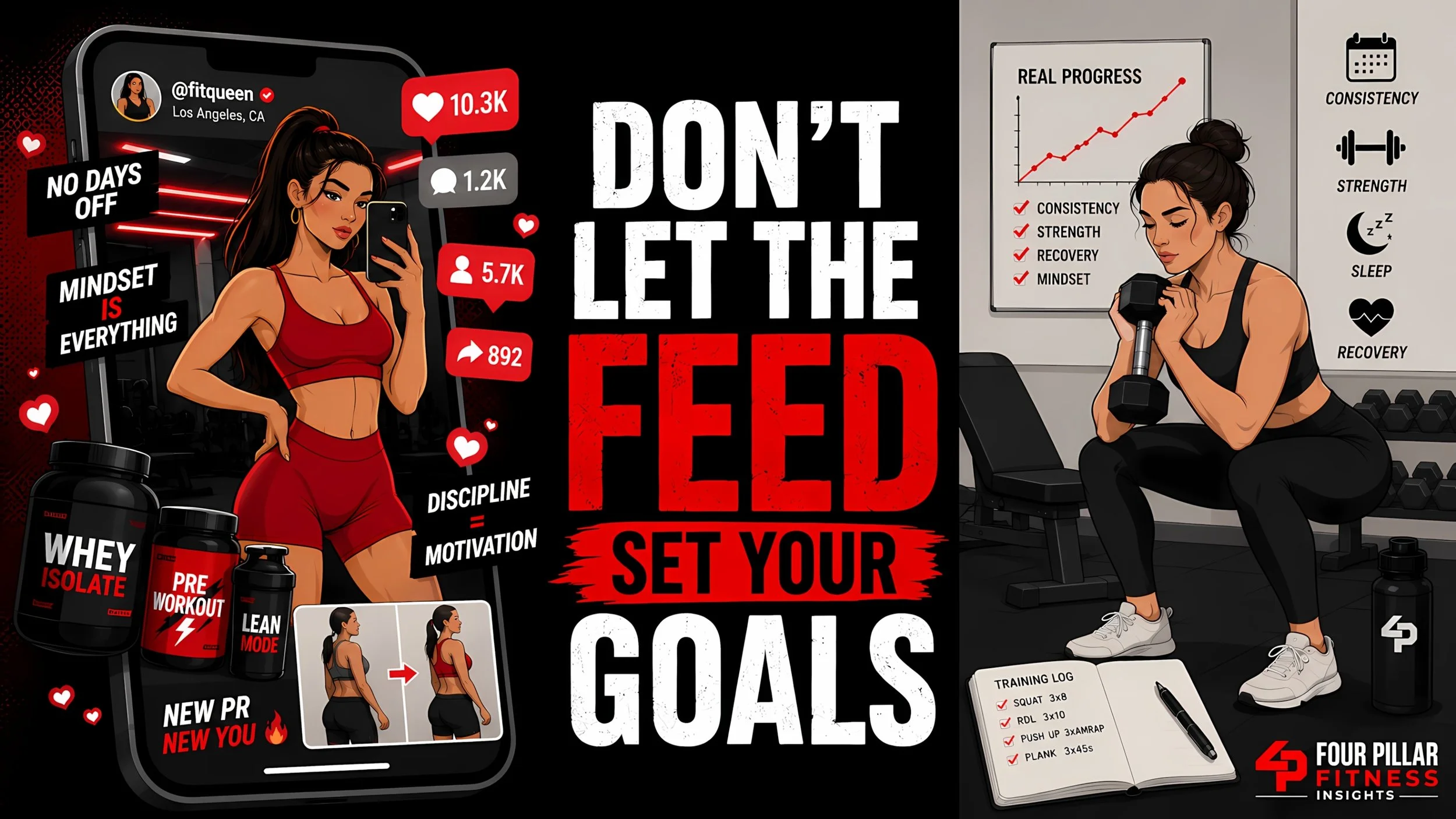
Don't let the "noise" on the internet confuse you. If you focus on your Four Pillars: Strength, Mobility, Nutrition, and Recovery, you’ll see results. Keep it simple, follow the science, and don't believe everything you see on your phone!
Which of these fitness myths have you heard the most on social media? Or is there a new one you're curious about? Leave a comment below.
Stephan Earl is a NASM Certified Personal Trainer, Nutrition Coach, and Corrective Exercise Specialist dedicated to helping people build lasting strength and mobility at every age. With a focus on practical, sustainable fitness, he combines science-based training with mindful movement and nutrition.
He's the author of Yoga Strong: 100 Asanas for Strength of Body and Mind and the forthcoming book The Four Pillars of Fitness: A Simple, Science-Backed System For Strength and Longevity, which explores how to stay strong, flexible, and energized for life. His mission is to help others move better, feel better, and live fully at every stage of their fitness journey.
Learn More
Four Pillar Fitness is built on one clear idea. Strength, Mobility, Nutrition, and Recovery work together to keep you strong and independent at every age. To dive deeper into each pillar visit 4PFitness.com.
References
Bagherniya, M., et al. (2018). "The effect of fasting or calorie restriction on autophagy induction: A review of the literature." Ageing Research Reviews.
Baron, K. G., et al. (2011). "Role of sleep timing in caloric intake and BMI." Obesity.
Behm, D. G., & Chaouachi, A. (2011). "A review of the acute effects of static and dynamic stretching on performance." European Journal of Applied Physiology.
Grgic, J., et al. (2022). "Effects of Resistance Training to Muscle Failure on Muscle Hypertrophy: A Systematic Review and Meta-Analysis." Journal of Sport and Health Science.
Hall, K. D., et al. (2016). "Energy expenditure and body composition changes after an isocaloric ketogenic diet." American Journal of Clinical Nutrition.
Herbert, R. D., & de Noronha, M. (2011). "Stretching to prevent or reduce muscle soreness after exercise." Cochrane Database of Systematic Reviews.
Judelson, D. A., et al. (2007). "Effect of hydration state on resistance exercise performance." Medicine & Science in Sports & Exercise.
Karastergiou, K., et al. (2012). "Sex differences in human adipose tissues - the biology of android and gynoid fat." Biology of Sex Differences.
Klein, A. V., & Kiat, H. (2015). "Detox diets for toxin elimination and weight management: a critical review of the evidence." Journal of Human Nutrition and Dietetics.
Sawka, M. N., et al. (2007). "American College of Sports Medicine position stand. Exercise and fluid replacement." Medicine & Science in Sports & Exercise.
Schoenfeld, B. J., & Aragon, A. A. (2018). "How much protein can the body use in a single meal for muscle-building?" Journal of the International Society of Sports Nutrition.
Slavin, J. L., & Lloyd, B. (2012). "Health benefits of fruits and vegetables." Advances in Nutrition.
Thomas, D. T., et al. (2016). "American College of Sports Medicine Joint Position Statement. Nutrition and Athletic Performance." Medicine & Science in Sports & Exercise.
Vispute, S. S., et al. (2011). "The effect of abdominal exercise on abdominal fat." Journal of Strength and Conditioning Research.
Westcott, W. L. (2012). "Resistance training is medicine: effects of strength training on health." Current Sports Medicine Reports.
Wolfe, R. R. (2006). "The underappreciated role of muscle in health and disease." American Journal of Clinical Nutrition.

Gear up with fitness-inspired apparel, drinkware, journals, instant downloads, and a little gym and coach humor for the people who train hard, recover smart, and still know how to laugh between sets.
Shop the 4P Fitness Pro Shop and find something that fits your fitness life.
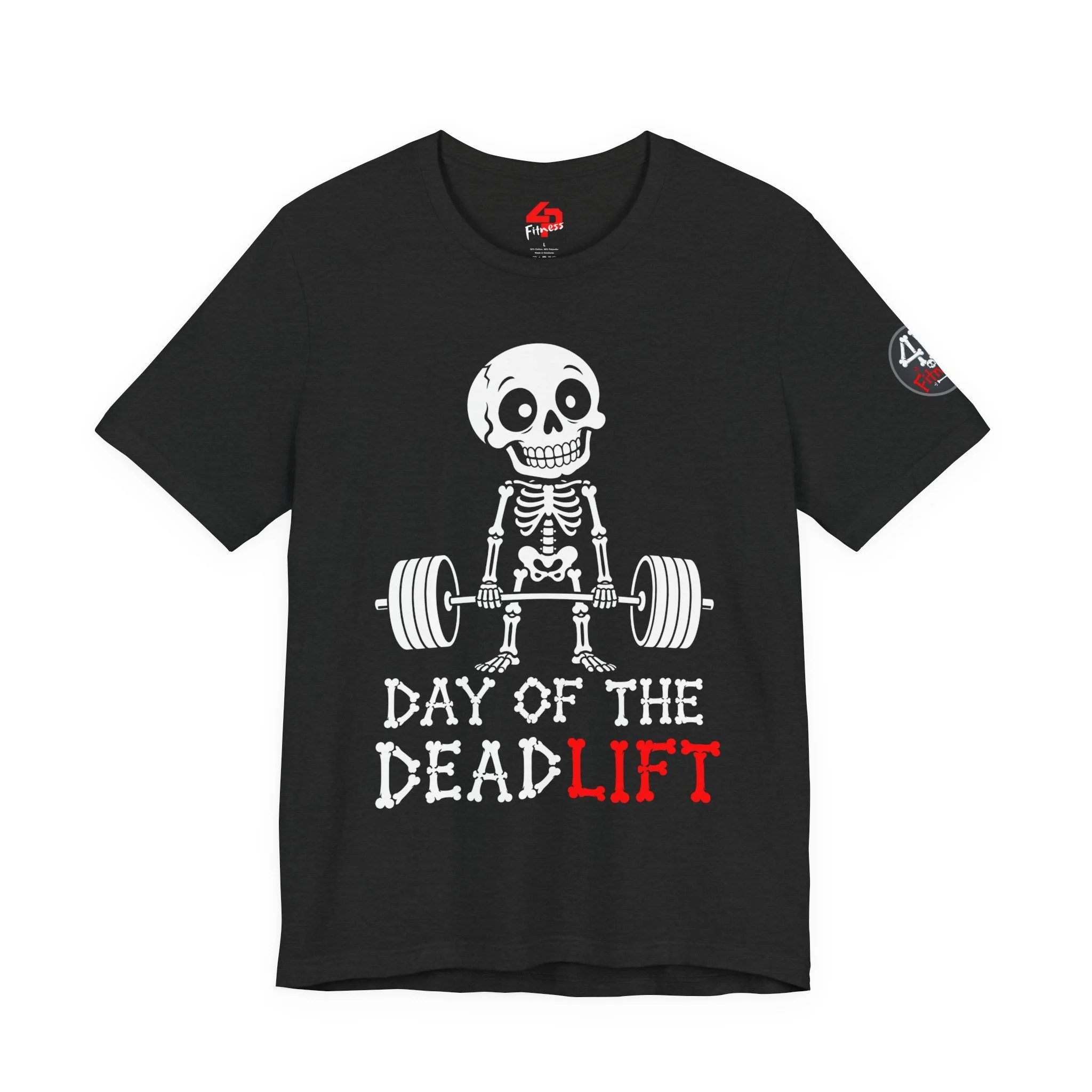
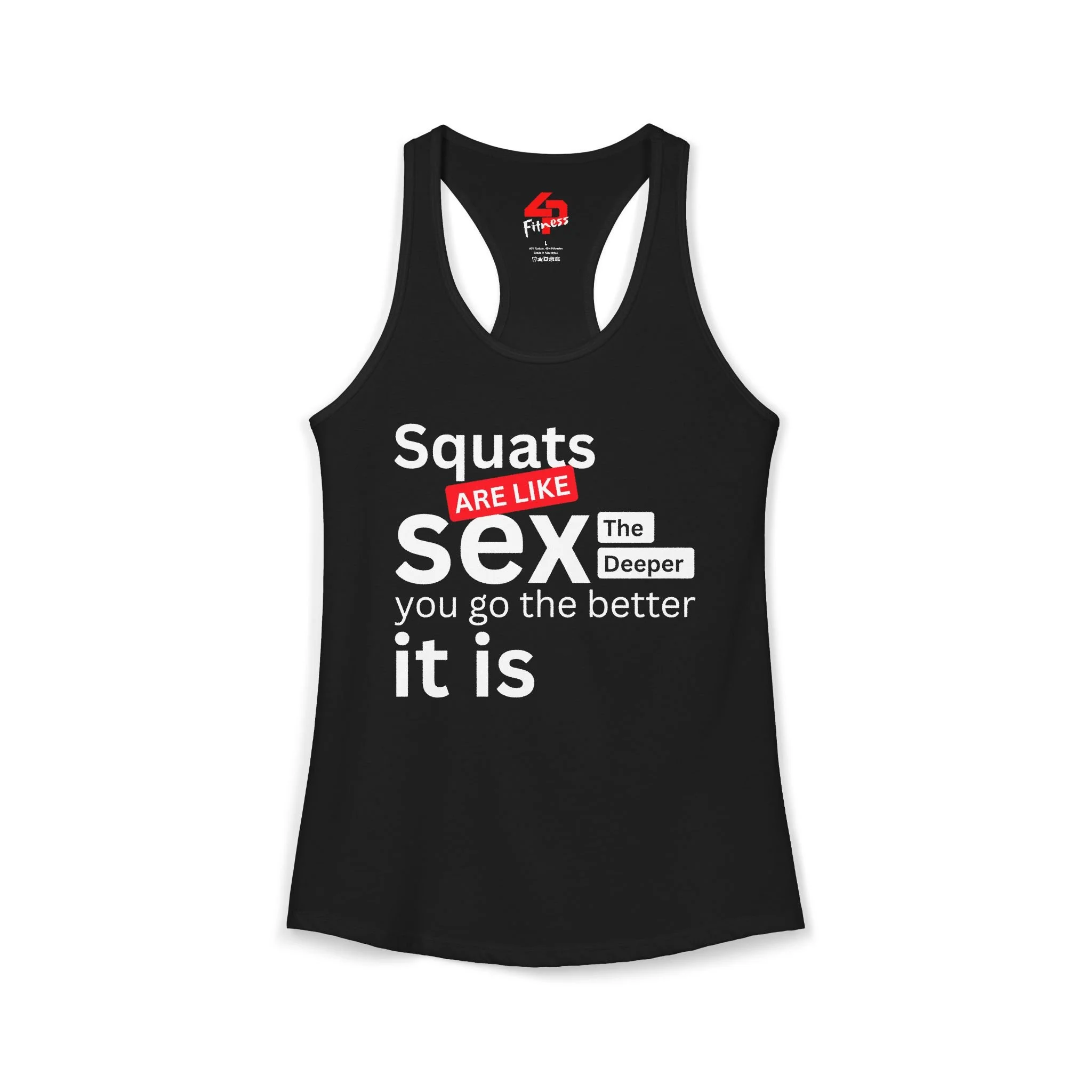
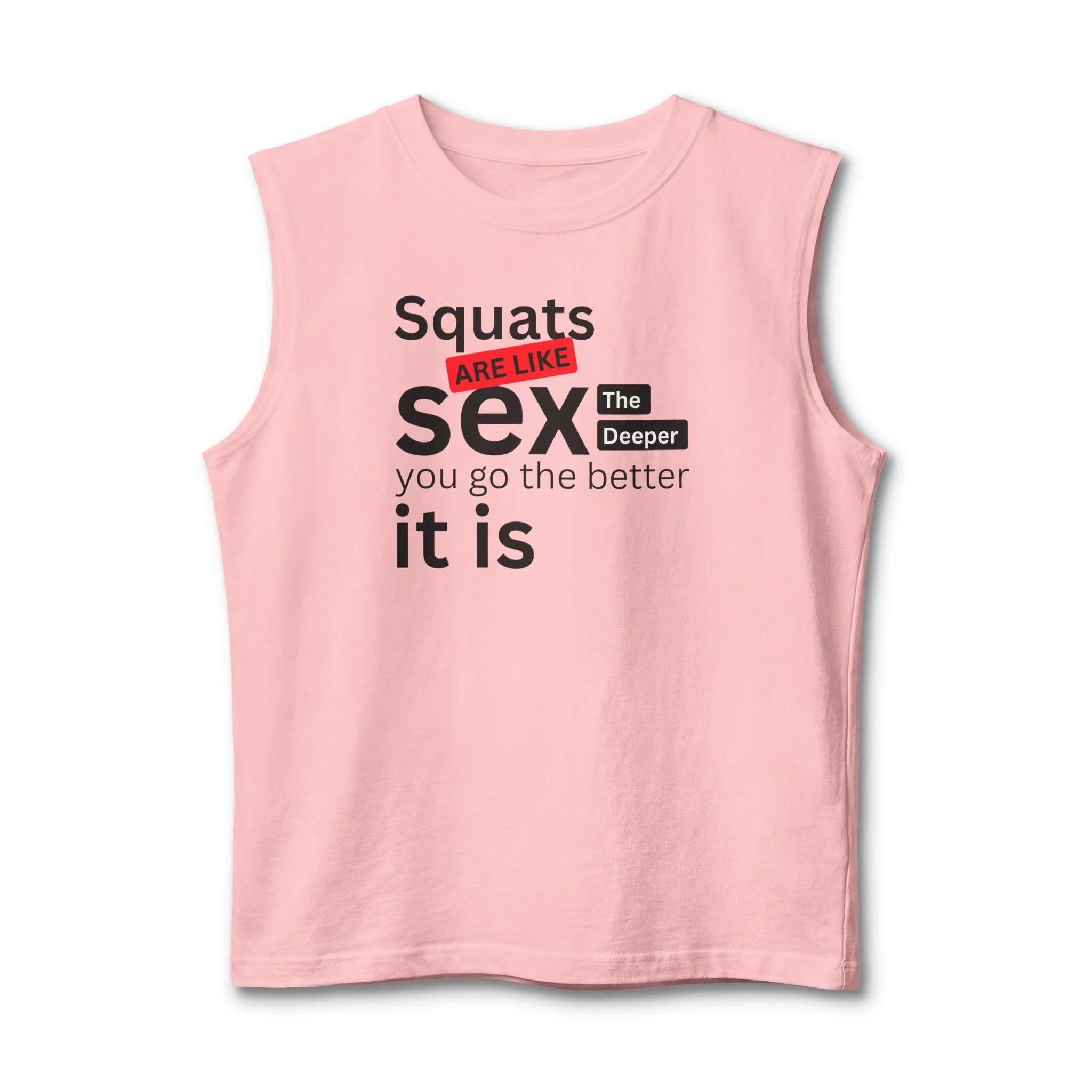
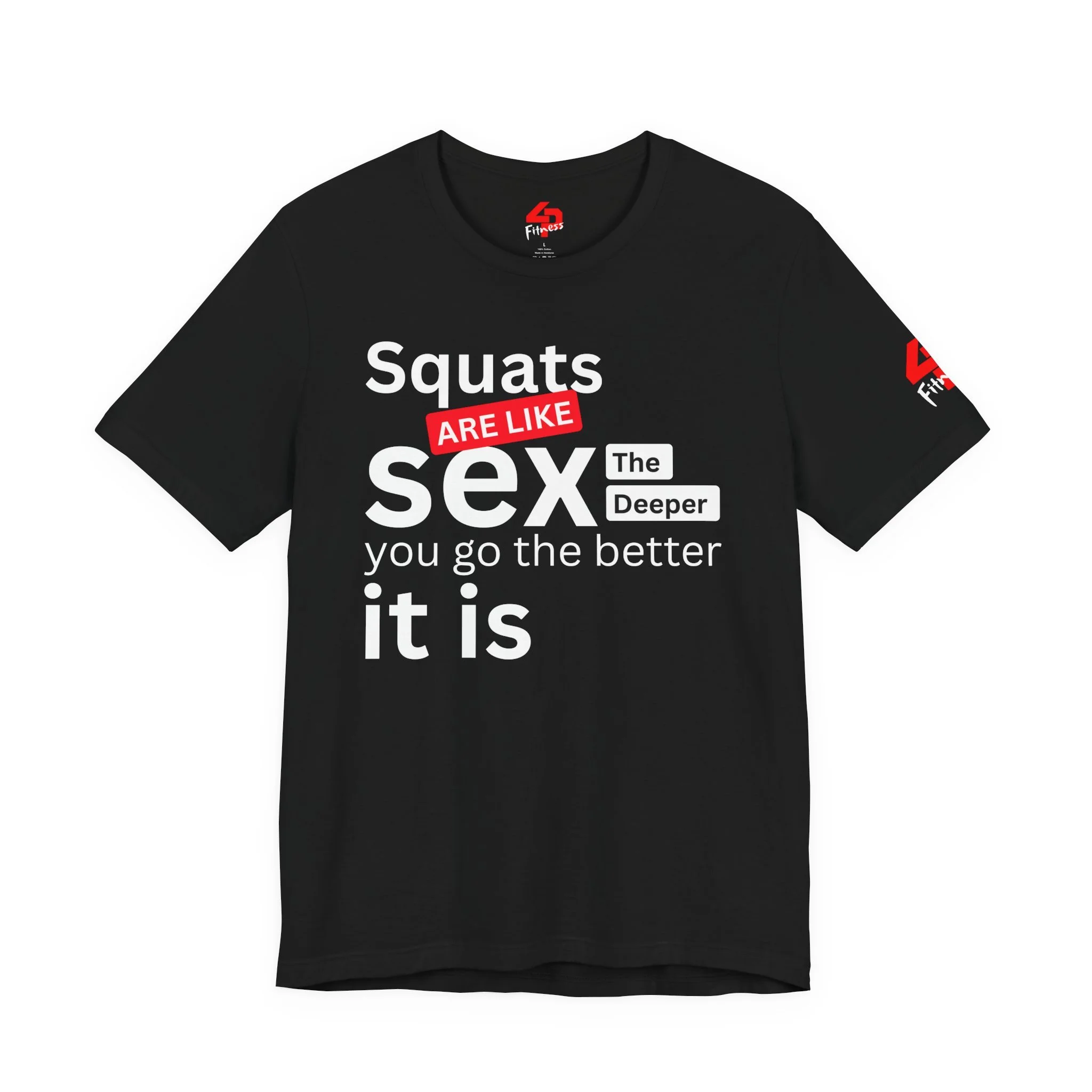

The 4P Fitness Pro Shop Gift Card is a simple, flexible gift for lifters, athletes, coaches, clients, and everyday warriors. Available from $25 to $200, it lets them choose apparel, drinkware, fitness gear, books, journals, or other 4P Fitness favorites. No sizing guesswork. No color worries. Just motivation they can pick for themselves.
Features
Available in denominations from $25 to $200
Redeemable toward eligible products in the 4P Fitness Pro Shop
Great for apparel, drinkware, fitness accessories, books, journals, and more
Perfect for athletes, gym lovers, coaches, clients, and fitness-minded friends
A flexible gift option for holidays, birthdays, milestones, and special occasions
No physical product required, making it easy to send and easy to use