

Peptides Trending in 2026: What You Need to Know
Peptides are the talk of the town in 2026. You've probably seen them mentioned on TikTok or heard about them on your favorite health podcast. But with so many names like BPC-157 or Retatrutide flying around, it's hard to keep track of what's real and what's just hype.
As a personal trainer and nutrition coach, I want to make sure you have the facts. Peptides are short strings of amino acids. Think of them as the "little brothers" of proteins. They're natural messengers that tell your body to perform certain tasks. You can think of them like a software update for your cells. Here are the top peptides people are searching for and discussing right now.
1. The "Wolverine" Duo: BPC-157 and TB-500
These two are the biggest stars in the recovery world. They're often called the "Wolverine Stack" because fans claim they help you heal as fast as a superhero. This is a huge deal for athletes who don't want to spend months on the sidelines with an injury.
BPC-157: This stands for "Body Protection Compound." It's a synthetic version of a peptide found in human stomach juice. People use it to help heal tendons, ligaments, and even gut issues. It works by "talking" to your blood vessels and telling them to grow toward an injury. This process brings more oxygen and nutrients to the spot that hurts.
TB-500: This is a synthetic version of Thymosin Beta-4. It plays a big role in building new blood vessels and moving cells to where they're needed for repair. While BPC-157 focuses on the specific injury site, TB-500 can travel through your whole body to find inflammation and fix it.
The Science: Most studies on BPC-157 have been done on animals, not humans. While the results in rats show amazing healing for Achilles tendons and muscles, we're still waiting for more human data to be 100% sure about the long-term effects. Scientists are still trying to figure out if these results will be exactly the same for people.
2. The Weight Loss Giants: GLP-1s and the New "Triple G"
You know these by brand names like Ozempic or Mounjaro. They've completely changed how people think about weight loss and metabolic health.
Semaglutide and Tirzepatide: These peptides mimic hormones that your body naturally makes after you eat. They tell your brain you're full and slow down how fast your stomach empties. This helps quiet "food noise," which is that annoying voice in your head that tells you to keep snacking even when you aren't hungry.
The New Star: Retatrutide: People are calling this the "Triple G" because it targets three different receptors instead of just one or two. It acts on GLP-1, GIP, and Glucagon. By adding that third "Glucagon" piece, it doesn't just stop hunger; it also tells your body to burn more energy and break down fat faster. As of this writing, Retatrutide hasn't been approved by the FDA. It's still in the final testing phases, so it isn't available as a regular prescription yet.
The Science: Recent Phase 3 trials have shown that Retatrutide might lead to weight loss of up to 24% to 29% of body weight over a year. That's almost double what the original weight loss peptides could do. However, because it's so powerful, it can also lead to more side effects like a faster heart rate or upset stomach. It's still being studied to make sure it's safe for everyone.
3. The Muscle Builders: CJC-1295 and Ipamorelin
These are known as Growth Hormone Secretagogues. That's a fancy way of saying they nudge your brain to release more of its own natural growth hormone.
How they work together:
CJC-1295: Acts as a Growth Hormone-Releasing Hormone (GHRH) analog, signaling the pituitary gland for a prolonged release of growth hormone.
Ipamorelin: A Growth Hormone-Releasing Peptide (GHRP) that triggers a strong, clean pulse of GH release from the pituitary.
Synergy: Together, they mimic the body's natural secretion patterns, leading to more significant and sustained GH and Insulin-like Growth Factor 1 (IGF-1) production.
Why they're popular: Unlike taking actual growth hormone (HGH), these help your body stay within its natural rhythms. People use them to gain lean muscle, lose fat, and sleep better. Because they encourage your body to produce its own hormones rather than replacing them, many people feel they're a "gentler" way to see results. One of the best side effects people report is deeper, more restful sleep, which is when your body does most of its muscle building anyway.
The Science: Research shows these can increase growth hormone levels in the blood. This can lead to better body composition, but it works best when you're also doing strength training and getting enough protein. They aren't magic pills that build muscle while you sit on the couch. You still have to put in the work at the gym to see the real benefits.
4. The Longevity Stars: MOTS-c and GHK-Cu
Biohackers are obsessed with these for their "anti-aging" potential and their ability to keep cells acting young.
MOTS-c: This one is unique because it comes from your mitochondria, which are the power plants of your cells. It's sometimes called an "exercise mimetic" because it tricks your body into thinking you've been working out. It helps your body turn sugar into energy more efficiently. As we get older, our "cell batteries" can get tired, and MOTS-c acts like a charger to keep them running strong.
GHK-Cu: This is a copper peptide. It's huge in the skincare world for reducing wrinkles, but people are also looking at it for its ability to help with deep tissue repair. It helps your body produce more collagen and elastin. These are the "glue" that keeps your skin and joints firm and bouncy.
The Science: MOTS-c has shown promise in animal studies for improving metabolism and physical performance. GHK-Cu has decades of research showing it helps with skin regeneration and wound healing. Some newer studies even suggest it might help protect our DNA from damage as we age.
Quick Guide to Trending Peptides
Here's a fast look at what these peptides do and where people are talking about them.
BPC-157
Main Goal: Injury Recovery
Popularity Source: Reddit and Fitness Influencers
Retatrutide
Main Goal: Extreme Weight Loss
Popularity Source: Medical News and TikTok
Ipamorelin
Main Goal: Muscle Growth
Popularity Source: Bodybuilding Communities
MOTS-c
Main Goal: Longevity and Energy
Popularity Source: Biohacking Podcasts
GHK-Cu
Main Goal: Skin and Healing
Popularity Source: Beauty and Wellness Blogs
Final Note from Coach Stephan
Peptides are powerful tools, but they aren't magic. You can't out-peptide a bad diet or a lack of sleep. If your lifestyle is a mess, these messengers won't have the right environment to do their jobs. Always talk to a doctor before trying any of these, as many are still in a "gray area" legally and scientifically. My job is to help you build the "Four Pillars" of fitness first (movement, nutrition, recovery, and mindset). Once those are solid, we can look at the extras to take your results to the next level!
If you could pick just one area of your health to give a 'superhero' boost right now, would it be faster recovery from injuries or having more natural energy throughout the day? I'd love to hear your thoughts, so please leave a comment below.

Stephan Earl is a NASM Certified Personal Trainer, Nutrition Coach, and Corrective Exercise Specialist dedicated to helping people build lasting strength and mobility at every age. With a focus on practical, sustainable fitness, he combines science-based training with mindful movement and nutrition.
He's the author of Yoga Strong: 100 Asanas for Strength of Body and Mind and the forthcoming book The Four Pillars of Fitness: A Simple, Science-Backed System For Strength and Longevity, which explores how to stay strong, flexible, and energized for life. His mission is to help others move better, feel better, and live fully at every stage of their fitness journey.
Learn More
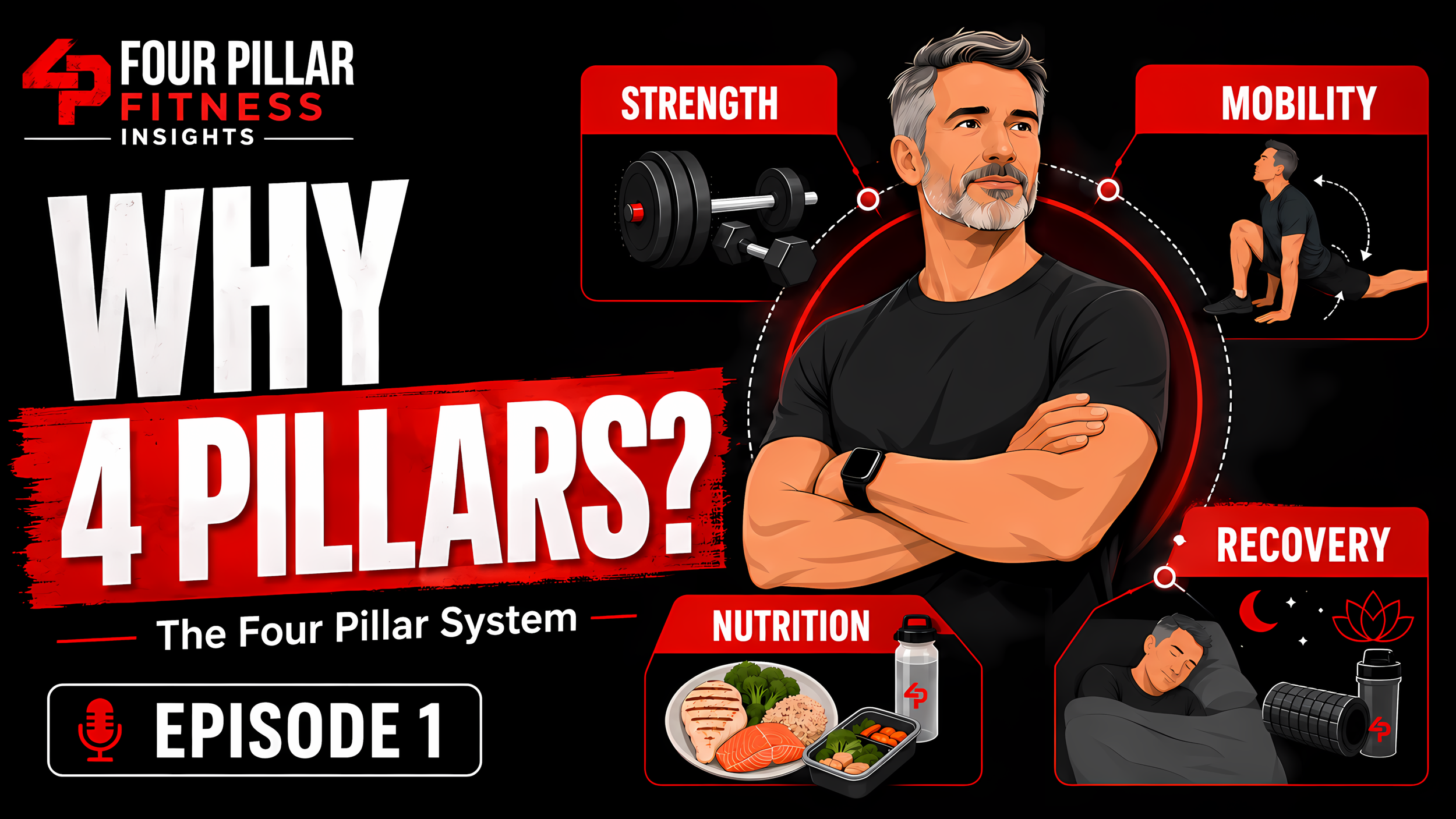
Four Pillar Fitness is built on one clear idea. Strength, Mobility, Nutrition, and Recovery work together to keep you strong and independent at every age. To dive deeper into each pillar visit 4PFitness.com.
References
Sikiric, P., et al. (2021). "Stable Gastric Pentadecapeptide BPC 157 and Wound Healing." Frontiers in Pharmacology.
Wilding, J. P. H., et al. (2021). "Once-Weekly Semaglutide in Adults with Overweight or Obesity." New England Journal of Medicine.
Lilly Investor Relations. (Dec 11, 2025). "Lilly's triple agonist, retatrutide, delivered weight loss of up to an average of 71.2 lbs in first successful Phase 3 trial." Eli Lilly and Company.
Sigalos, J. T., & Pastuszak, A. W. (2018). "The Safety and Efficacy of Growth Hormone Secretagogues." Sexual Medicine Reviews.
Lee, C., et al. (2015). "The Mitochondrial-Derived Peptide MOTS-c Promotes Metabolic Homeostasis and Reduces Obesity and Insulin Resistance." Cell Metabolism.
Pickart, L., & Margolina, A. (2018). "Regenerative and Protective Actions of the GHK-Cu Peptide in the Light of the New Gene Data." International Journal of Molecular Sciences.
Gear up with fitness-inspired apparel, drinkware, journals, instant downloads, and a little gym and coach humor for the people who train hard, recover smart, and still know how to laugh between sets.
Shop the 4P Fitness Pro Shop and find something that fits your fitness life.
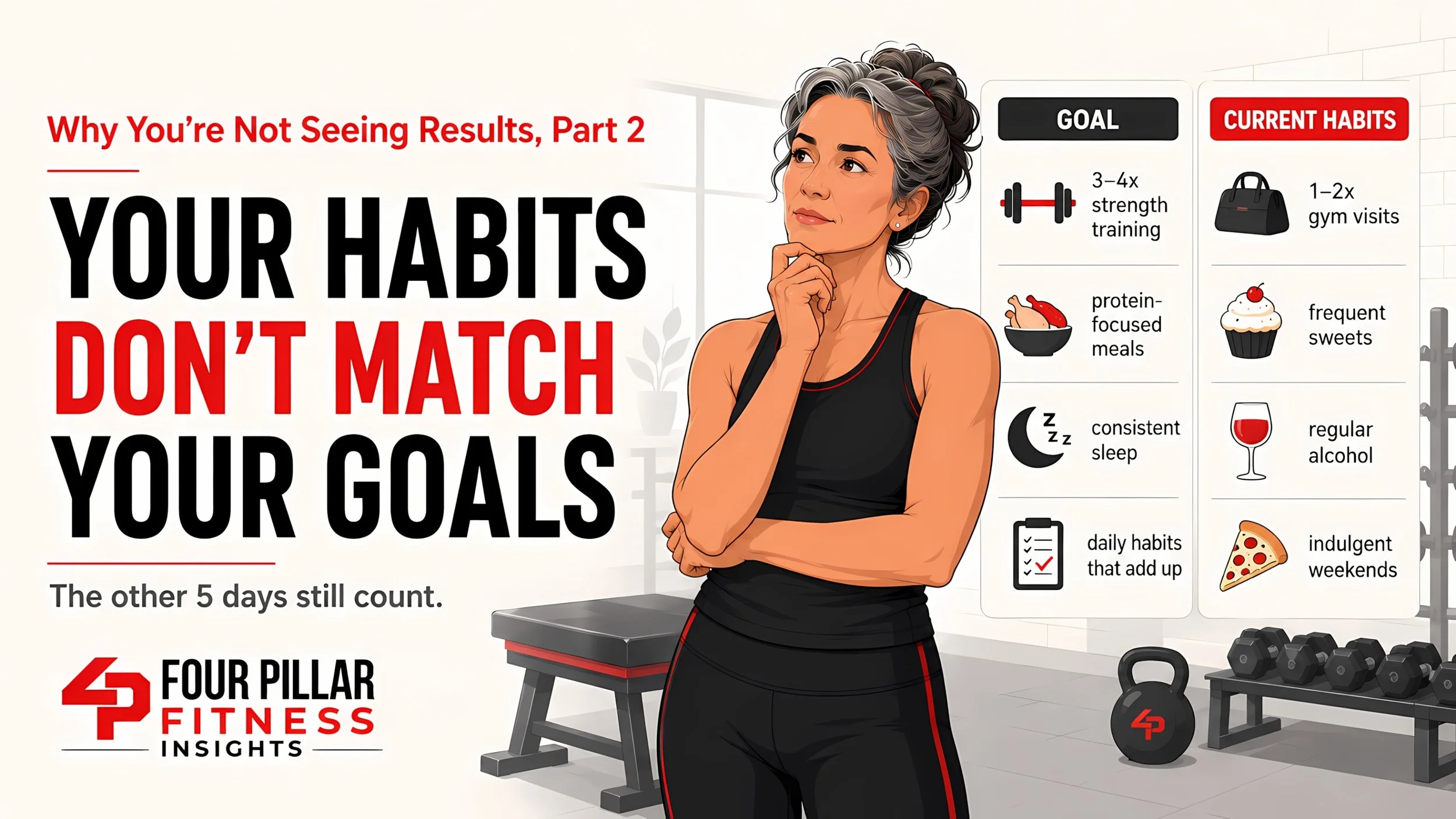
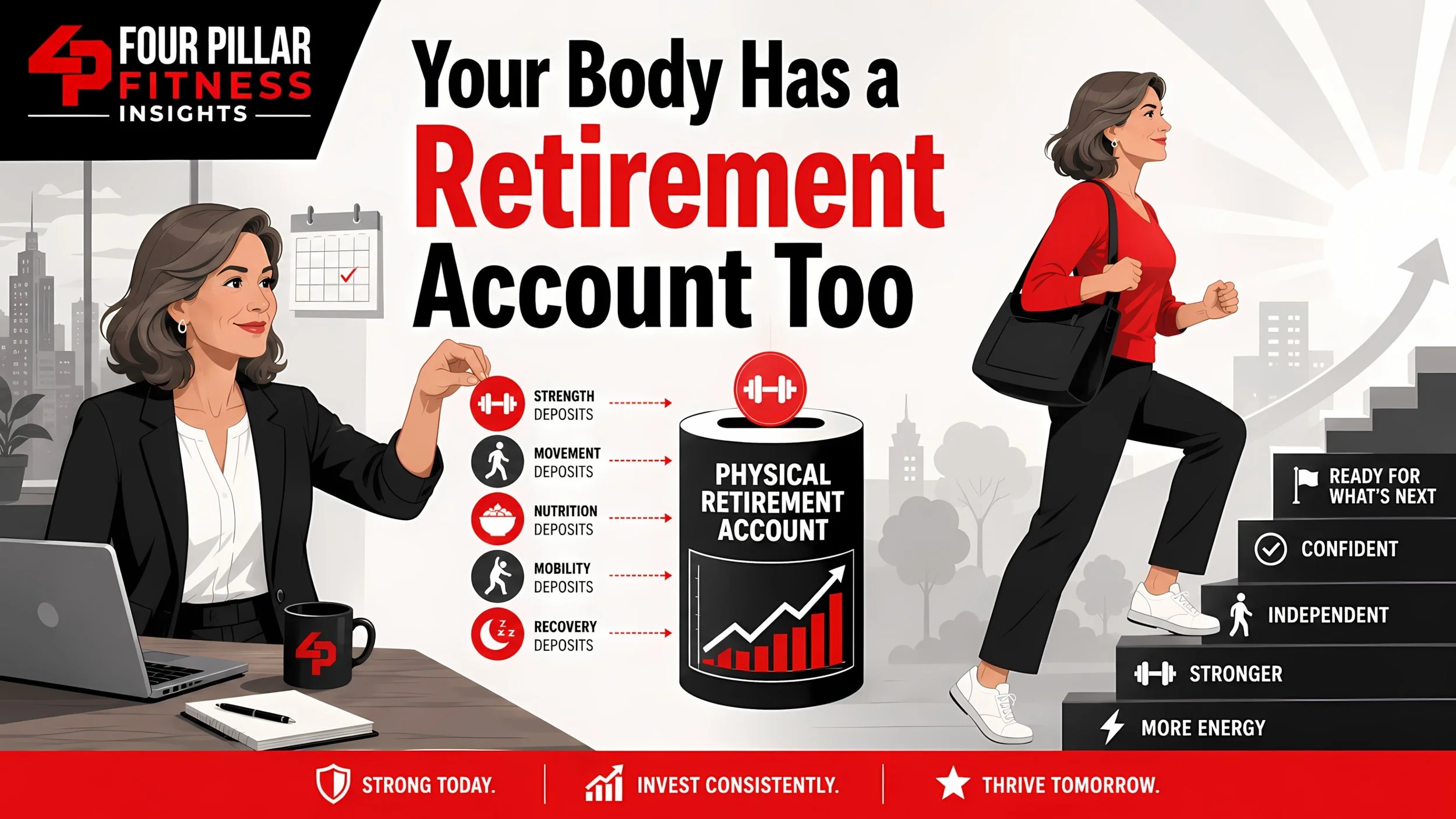

Can you build muscle and lose fat after 50? Yes, but the process depends on more than training hard or eating more. Learn how calorie intake, protein, alcohol, recovery, training history, body recomposition, smart-scale readings, and realistic timelines affect muscle gain and fat loss as you get older.