

Why GymTok Can Mess With Your Fitness Goals
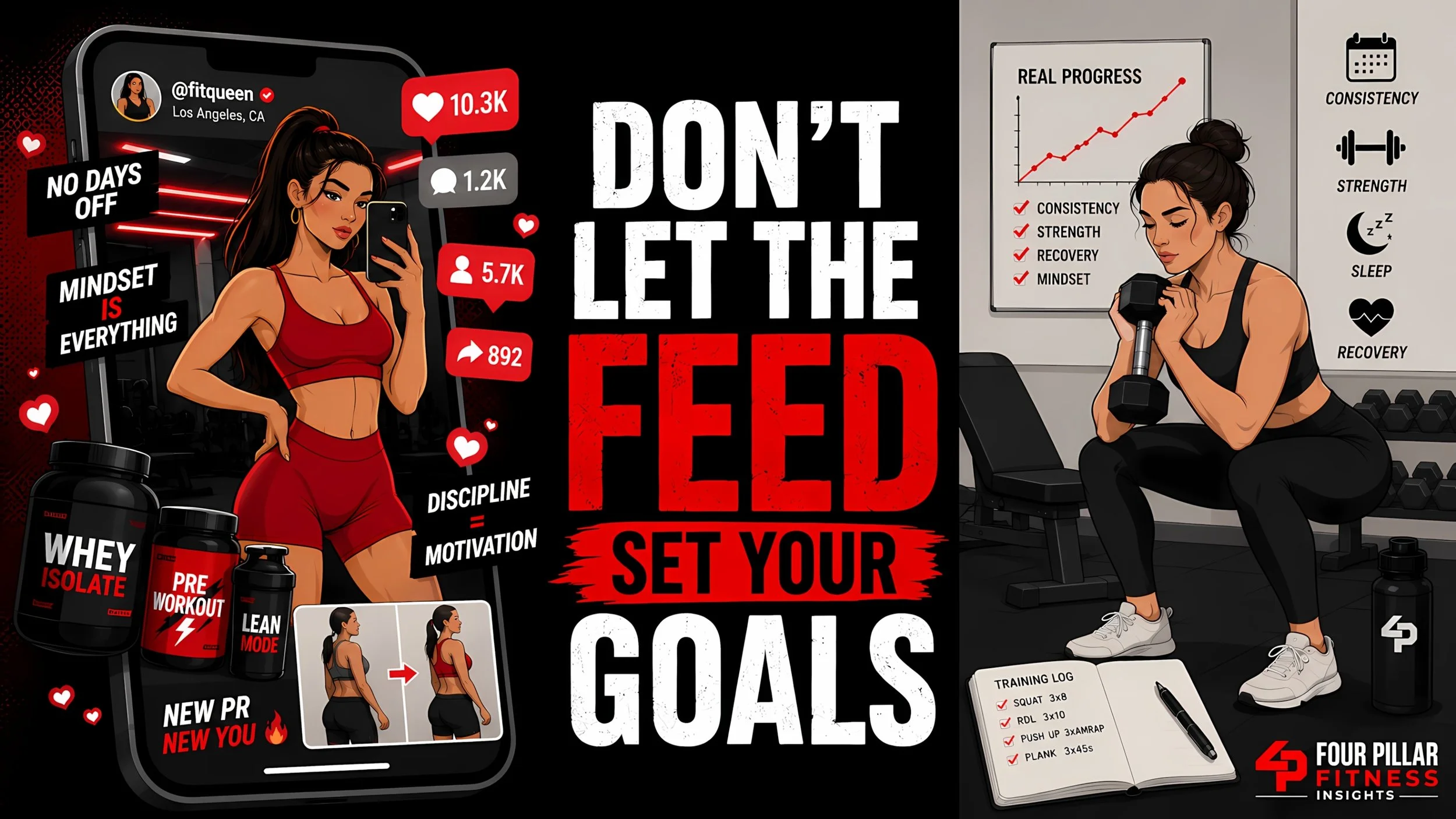
Fitness content can be useful. A good video can teach you a new exercise, show you a better setup, remind you to train, or give you the little push you need to get moving. There’s nothing wrong with using social media for ideas and motivation. The problem starts when the feed becomes the measuring stick, especially when the content is built around extreme physiques, supplement hype, and unrealistic timelines.
That’s where #GymTok can get tricky. A June 2026 preprint analyzed 2,210 #GymTok videos and found that videos rated as more harmful to body image often received more engagement. Supplement and steroid-related content was rated among the most harmful, and videos showing more muscular bodies tended to receive more views, likes, shares, and comments. The paper also suggested that recommendation systems may amplify this kind of content because it performs well. In plain English, the content that messes with your head may also be the content the algorithm keeps feeding you.
That doesn’t mean every fitness creator is bad, every muscular person is fake, or every gym video is toxic. Let’s not throw the dumbbells out with the bathwater. But it does mean you need to look at fitness content with a sharper eye. Your goals, your body, your timeline, and your health should not be built around someone else’s highlight reel.
The Problem With Comparison Fitness
Comparison is not new. People compared physiques long before TikTok existed. The difference now is speed, volume, and repetition. You can see hundreds of bodies in a few minutes, all edited, filtered, posed, pumped, lit, and framed for maximum impact. You’re not seeing the full story. You’re seeing the most engaging moment.
That matters because fitness is already emotional for many people. Most people don’t start training because everything feels perfect. They start because they want to feel better, look better, move better, gain confidence, lose weight, build strength, or get back some part of themselves they feel has slipped. When you’re in that place, constant exposure to extreme physiques can distort what progress should look like.
Instead of thinking, “I’m getting stronger,” you may start thinking, “I don’t look like that.” Instead of celebrating better energy, better sleep, better consistency, or an extra rep, you may start feeling behind. That’s a lousy trade, and it can turn fitness from something that builds you up into something that keeps reminding you of what you think you lack.
Research on fitspiration content has already shown that exposure to idealized fitness images can negatively affect mood and body image for some viewers. The message may look positive on the surface, but the visual comparison can still land hard.
Engagement Does Not Equal Good Advice
One of the biggest traps on social media is assuming that popular means trustworthy. It doesn’t. Popular often means emotional, extreme, visually impressive, controversial, or easy to share. Good coaching is not always any of those things. In fact, good coaching is often pretty calm, repeatable, and boring to watch.
A video showing someone with an extreme physique doing a brutal workout may get attention. That doesn’t mean the workout fits your body, your recovery, your schedule, your training age, or your goals. A supplement stack may look impressive on camera. That doesn’t mean it’s necessary, safe, legal, effective, or even what built the physique being shown.
The June 2026 #GymTok analysis found that supplement and steroid-related content was rated among the most harmful to body image. That should make every adult pause, especially parents, coaches, and anyone working with younger lifters. It’s one thing to teach people about protein, creatine, hydration, and smart nutrition. It’s another thing to normalize the idea that every plateau needs a pill, powder, injection, or shortcut.
There’s a huge difference between supporting training and trying to purchase a physique.




The Steroid-Enhanced Standard
Here’s the uncomfortable part. Some of the bodies people compare themselves to online may not be naturally built. Some may be enhanced through anabolic steroids or other performance-enhancing drugs. Some creators are open about that. Many are not, and that creates a broken standard.
A regular person with a job, family, stress, normal sleep, normal genetics, and a few training days per week may be comparing themselves to someone using drugs, training as a full-time lifestyle, manipulating lighting, and filming under perfect conditions. That’s not inspiration. That’s a rigged game wearing gym shorts.
The issue is not that muscular bodies are bad. Building muscle is a good goal. Strength training supports health, function, metabolism, confidence, and long-term independence. The issue is when muscularity becomes the only marker of worth, discipline, masculinity, attractiveness, or success.
A 2026 report from Flinders University described research showing that young men who viewed idealized fitness or supplement-focused TikTok videos reported lower satisfaction with their fitness and nutrition, along with stronger interest in muscle-building supplements. That doesn’t prove every viewer will be harmed, but it does support what many coaches already see in real life: the more someone consumes extreme fitness content, the easier it becomes to feel like normal progress isn’t enough.
Real Progress Usually Looks Boring First
Most real fitness progress is not dramatic in the beginning. It’s a little boring. You show up. You learn the movements. You repeat the basics. You add a little weight. You improve your form. You eat enough protein. You sleep. You manage stress. Then you do it again next week.
That may not make exciting content, but it works. A person who goes from no training to two strength workouts per week is making progress. A person who improves squat depth, adds five pounds to a lift, walks more consistently, gets better at meal planning, or finally stops skipping recovery is building a foundation. That foundation may not go viral, but it changes lives.
The internet loves the transformation. Coaching respects the process. You don’t need to chase a physique designed for engagement. You need a plan that fits your actual life. That means strength training you can repeat, nutrition you can sustain, mobility work that helps you move better, and recovery habits that allow your body to adapt. The Four Pillars are not flashy, but they’re a lot more reliable than chasing whatever the algorithm serves for dessert.
How GymTok Can Pull You Off Course
GymTok can mess with your fitness goals in a few specific ways. First, it can make your timeline unrealistic. You may start believing that a few months should completely transform your body. For most people, especially if they’re training naturally and balancing real life, meaningful body composition change takes time.
Second, it can shift your focus from performance to appearance. Looking better is a valid goal, but it should not be the only one. Strength, energy, mobility, conditioning, confidence, and consistency matter too. When appearance becomes the only scoreboard, you can miss progress that is actually improving your life.
Third, it can make you chase novelty instead of consistency. New exercises, advanced splits, extreme challenges, and complicated routines may look exciting. But beginners and intermediate lifters usually need fewer distractions, not more. Most people need to get better at the basics before they need a more complicated plan.
Fourth, it can overinflate the role of supplements. Protein powder can be useful. Creatine is well-researched. Some supplements have a place. But supplements don’t replace training, food quality, sleep, and patience. If your feed makes it seem like the supplement stack matters more than the work, you’re being sold something.
A Smarter Way to Use Fitness Content
You don’t have to delete every fitness account and go live in a cabin with a kettlebell. Just use better filters. Follow people who teach clearly, not just people who look impressive. Look for creators who explain form, programming, recovery, nutrition basics, and realistic expectations. Be skeptical of anyone promising fast results, pushing extreme restriction, shaming normal bodies, or acting like one supplement is the missing key to your entire life.
Pay attention to how content makes you feel. If a page consistently leaves you feeling motivated, informed, and grounded, that’s useful. If it leaves you feeling inferior, frantic, or desperate to buy something, that’s a red flag.
You can also clean up your feed on purpose. Stop engaging with content that pulls you into comparison. The algorithm is not your coach. It responds to attention, not wisdom. If you keep watching videos that make you feel terrible, the platform may keep showing you more of them.
What to Measure Instead
A better fitness plan needs better scoreboards. Instead of measuring yourself against a stranger’s physique, track things you can actually control. Track how many workouts you complete each week. Track your strength over time. Track your protein, sleep, steps, energy, soreness, and recovery. Track how your clothes fit, how your joints feel, and how confident you feel walking into the gym.
These are not as flashy as a viral transformation video, but they’re real. If your goal is fat loss, muscle gain, or body recomposition, progress photos and body measurements can help, but they should be part of the picture, not the whole story. Your body is not content. It’s the vehicle you live in every day. Treat it with more respect than the algorithm does.
The Coach Takeaway
GymTok can be useful, but it can also distort your expectations if you let it become your standard. The most muscular body on your feed may not represent your life, your genetics, your training history, your recovery capacity, or your values. That doesn’t make you behind. It makes you human.
Use fitness content for ideas, not identity. Use it for education, not comparison. Let it inspire action, but don’t let it rewrite your definition of progress. Real fitness is built through repeatable habits, good coaching, smart training, enough nutrition, and recovery that supports adaptation. It’s not always exciting. It’s not always viral. But it’s the kind of progress that lasts.
Have you ever noticed fitness content helping your motivation one day, then messing with your confidence the next? Leave a comment below.
Stephan Earl is a NASM Certified Personal Trainer, Nutrition Coach, and Corrective Exercise Specialist dedicated to helping people build lasting strength and mobility at every age. With a focus on practical, sustainable fitness, he combines science-based training with mindful movement and nutrition.
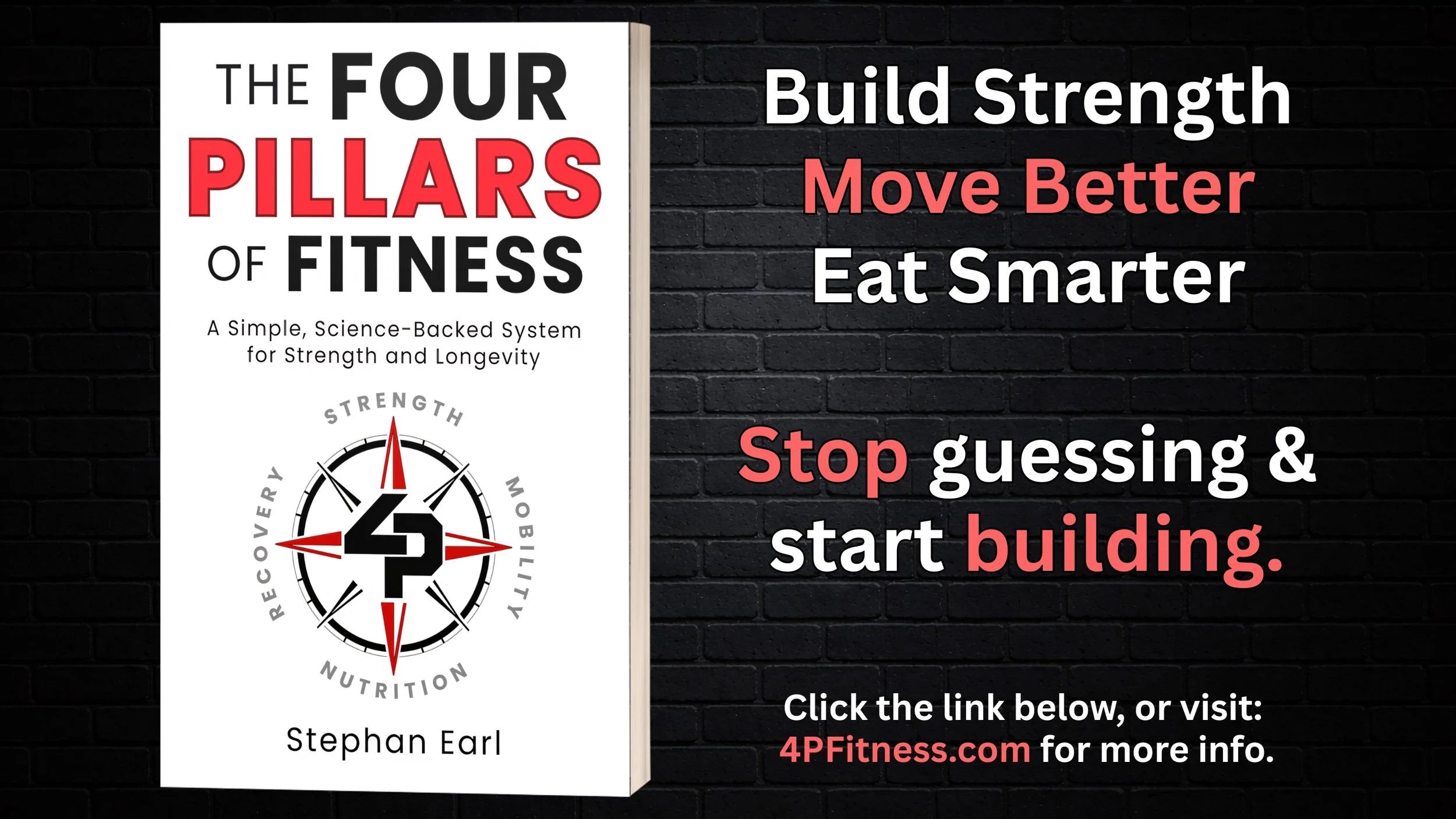
He's the author of Yoga Strong: 100 Asanas for Strength of Body and Mind and the forthcoming book The Four Pillars of Fitness: A Simple, Science-Backed System For Strength and Longevity, which explores how to stay strong, flexible, and energized for life. His mission is to help others move better, feel better, and live fully at every stage of their fitness journey.
Learn More
Four Pillar Fitness is built on one clear idea. Strength, Mobility, Nutrition, and Recovery work together to keep you strong and independent at every age. To dive deeper into each pillar visit 4PFitness.com.
References
Curry, M., Chu, M. D., Yan, C., Murray, S. B., Lerman, K., & Young, L. E. (2026). The body as status: Muscularity, engagement, and body image risk on #GymTok. arXiv.
Hilkens, L., Cruyff, M., Woertman, L., Benjamins, J., & Evers, C. (2021). Social media, body image and resistance training: Creating the perfect “me” with dietary supplements, anabolic steroids and SARM’s. Sports Medicine - Open, 7, Article 81.
Flinders University. (2026). TikTok’s muscle dream is a nightmare for young men. EurekAlert.
More Health & Fitness Insights…
Visit the 4P Fitness PRO Shop
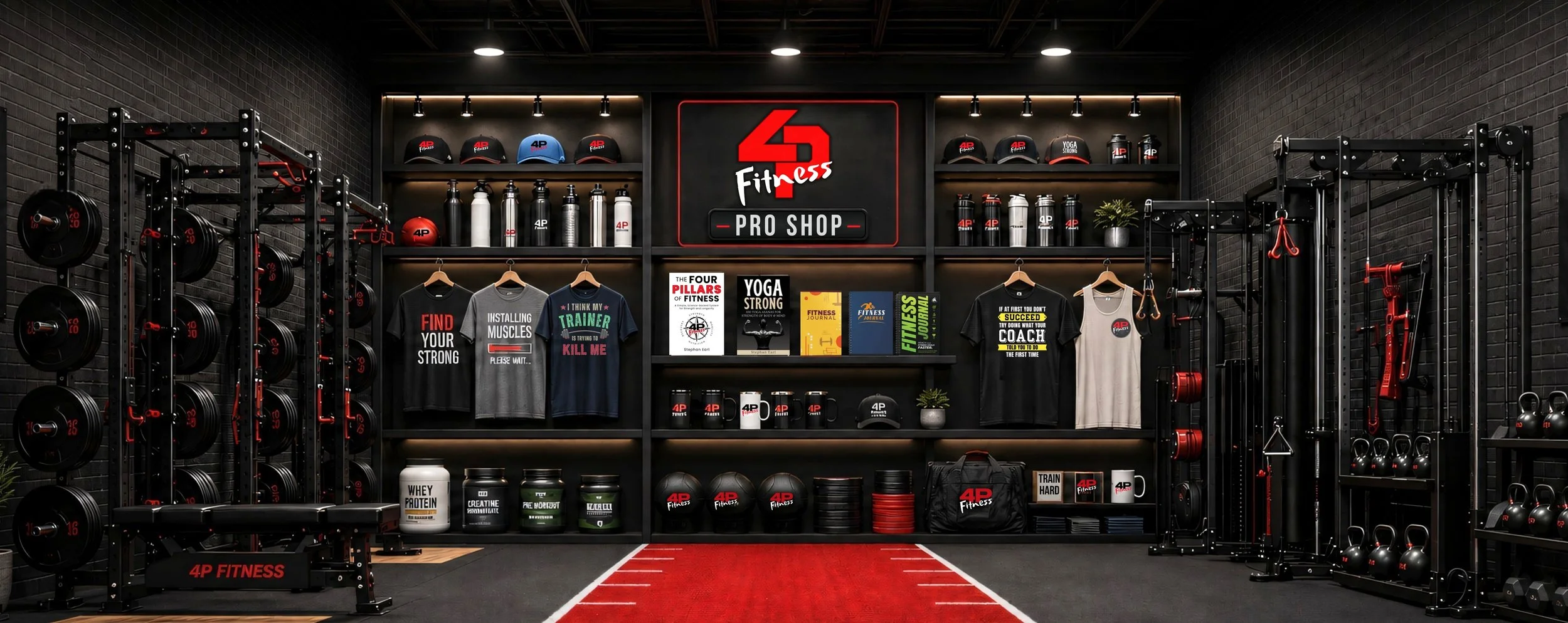
Gear up with fitness-inspired apparel, drinkware, journals, instant downloads, and a little gym and coach humor for the people who train hard, recover smart, and still know how to laugh between sets.
Shop the 4P Fitness Pro Shop and find something that fits your fitness life.

The 4P Fitness Pro Shop Gift Card is a simple, flexible gift for lifters, athletes, coaches, clients, and everyday warriors. Available from $25 to $200, it lets them choose apparel, drinkware, fitness gear, books, journals, or other 4P Fitness favorites. No sizing guesswork. No color worries. Just motivation they can pick for themselves.
Features
Available in denominations from $25 to $200
Redeemable toward eligible products in the 4P Fitness Pro Shop
Great for apparel, drinkware, fitness accessories, books, journals, and more
Perfect for athletes, gym lovers, coaches, clients, and fitness-minded friends
A flexible gift option for holidays, birthdays, milestones, and special occasions
No physical product required, making it easy to send and easy to use