

Insulin and Cortisol vs. Fat Loss: Why Your Hormones May Be Working Against You

You’re eating better. You’re training more. You’re trying to stay consistent. But fat loss still feels harder than it should. When that happens, people often blame carbs, calories, age, or metabolism. But two hormones also play a role: insulin and cortisol.
Online, insulin gets called the “fat-storage hormone,” and cortisol gets blamed for “stress belly.” You may have also seen “hormone hacks” that promise quick fat loss or a faster metabolism. Some tips sound helpful, but many oversimplify how the body works.
Insulin and cortisol are not the enemy. You need both. Insulin helps manage blood sugar and move nutrients into your cells. Cortisol helps you wake up, handle stress, and release energy when needed.
The problem starts when daily habits keep these hormones working overtime. Poor sleep, chronic stress, ultra-processed food, low muscle mass, crash dieting, and inconsistent training can all make fat loss harder than it needs to be.
Insulin: Helpful, But Part of the Storage Process
Insulin is released when blood sugar rises after you eat. Its job is to move glucose out of your blood and into your cells, especially your muscle and liver cells. That’s a good thing.
Insulin also helps the body store energy. It stores glucose as glycogen in muscle and liver. When you consistently take in more energy than your body needs, insulin is also part of the process that helps store extra energy as body fat.
That doesn’t make insulin bad. It means your body is doing what it was built to do.
The bigger issue is modern life. Easy food access, sweet drinks, big portions, long sitting hours, low muscle mass, and little movement can lead to lower insulin sensitivity, also called insulin resistance. That means insulin doesn’t work as well, so your body may need more insulin to manage the same amount of blood sugar.
That’s one reason fat loss can feel harder.
Insulin is part of the storage process, but it’s not acting alone. Calories, food quality, muscle mass, activity level, sleep, and consistency all matter.
Cortisol: Useful Short Term, Problematic When Stress Never Stops
Cortisol is your main stress-response hormone. It helps you wake up, stay alert, handle pressure, and release stored energy when your body thinks you need fuel.
In short bursts, cortisol is helpful. A hard workout, a stressful meeting, or a real emergency can raise cortisol for a reason. That’s normal.
The problem is chronic stress.
When stress never shuts off, cortisol can increase hunger, push cravings toward sugary or fatty foods, affect sleep, and make recovery harder. If stress stays high and recovery stays low, it can also make it harder to build or preserve muscle.
Cortisol does not magically create belly fat overnight. That idea gets oversold. But long-term stress can create the conditions that make overeating, poor recovery, fat gain, and slower fat loss more likely.
Think of cortisol as the alarm system. The alarm itself is not the problem. The problem is when it never turns off.
How They Team Up Against Fat Loss
Insulin and cortisol don’t work alone. They interact with your food, sleep, training, stress, and recovery.
Here’s a common cycle.
You sleep poorly. Stress rises. You crave quick energy. You reach for more sugar, snacks, or caffeine. Blood sugar swings more often, so insulin keeps responding. You feel tired, move less, train worse, and recover slower. Then stress rises again.
That’s not just a willpower problem. That’s your body responding to poor conditions.
Fat loss gets harder when one signal says, “I want to lose fat,” but another says, “I’m stressed, tired, under-recovered, and surrounded by easy calories.”
The Four Pillar Fitness Solution
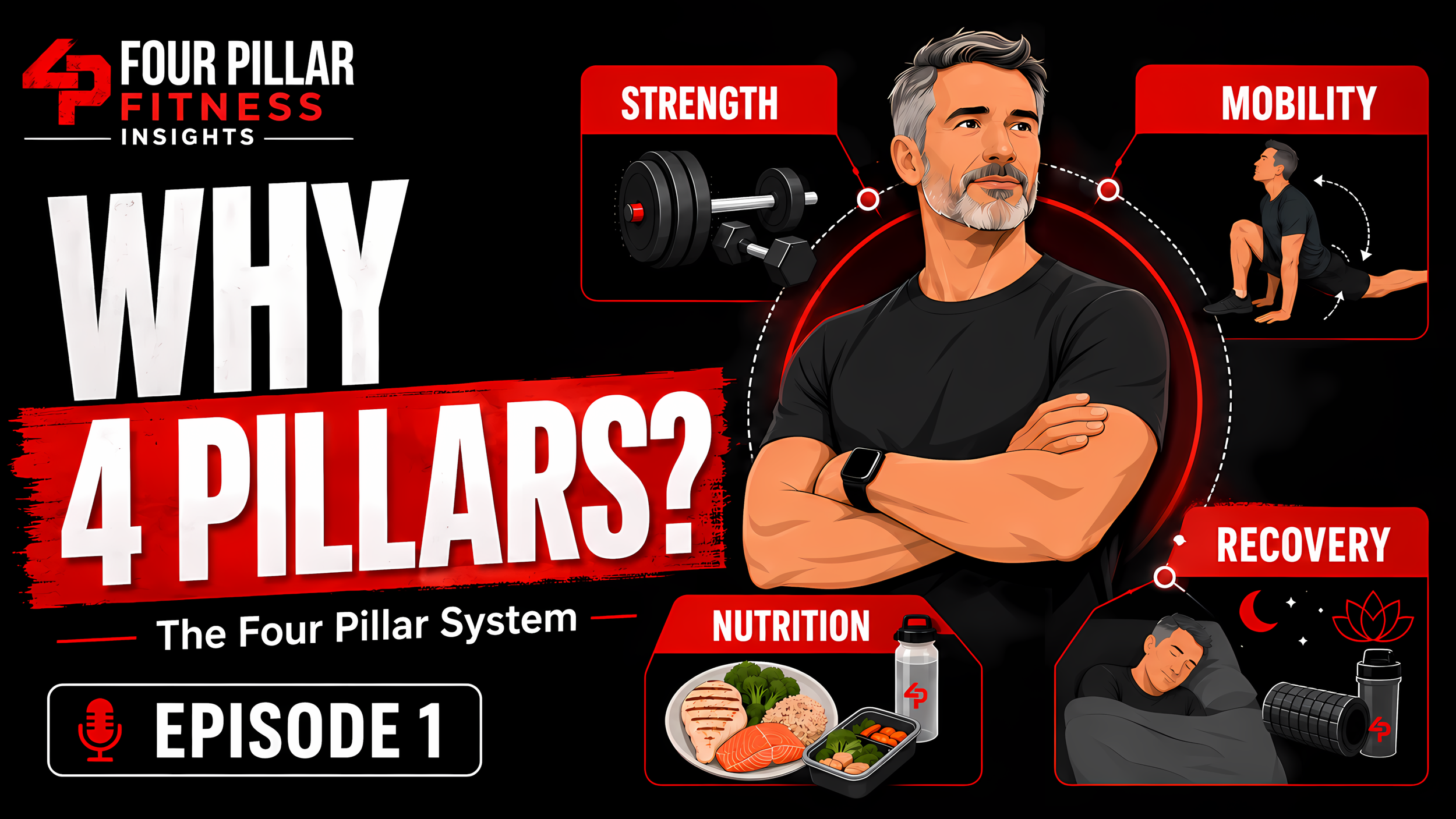
When hormones, stress, training, and nutrition are connected, the solution has to be connected too. That’s why I follow my Four Pillar Fitness approach.
Strength
Strength training helps build and preserve muscle. Muscle acts like a storage tank for glucose. The more muscle you have, and the more often you use it, the better your body can manage blood sugar.
You don’t need to destroy yourself in the gym. You need a consistent plan that trains the major movement patterns: squat, hinge, push, pull, carry, and core.
Mobility and Daily Movement
Movement helps your body use fuel more often. Even a short walk after meals can help your muscles pull glucose from the bloodstream.
You can work out for an hour and still sit most of the day. That’s not ideal for fat loss, insulin sensitivity, or long-term health. Walk after meals when you can, break up long sitting periods, and use mobility work to keep your body moving well.
Nutrition
Nutrition should lower chaos, not create more of it.
You don’t need to fear carbs, fast harder, or chase every hormone hack online. Start with the basics. Eat protein at each meal. Add fiber from vegetables, fruit, beans, or whole grains. Choose mostly whole foods. Keep added sugars and ultra-processed snacks under control.
Protein supports muscle, improves fullness, and helps make fat loss more sustainable. Also, be careful with crash dieting. Cutting calories too aggressively can increase hunger, lower training performance, and add stress to the body.
Recovery
Recovery is not the soft part of the plan. It’s where the plan starts working.
Poor sleep can make hunger, cravings, blood sugar control, and stress management worse. It can also make training feel harder and recovery slower.
Set a caffeine cutoff. Create a wind-down routine. Keep a consistent bedtime when possible. Take rest days seriously.
What Not to Do
Don’t cut all carbs because you fear insulin.
Don’t blame every inch of belly fat on cortisol.
Don’t fast harder if fasting makes you anxious, tired, and ravenous at night.
Don’t add more intense cardio when you’re already under-recovered.
Don’t chase supplements before fixing sleep, protein, steps, and strength training.
Most people don’t need a more extreme plan. They need a more consistent one.
A Simple Four Pillar Reset
Here’s a simple place to start this week.
Strength: Lift 3 to 4 times this week.
Mobility and Movement: Walk 10 minutes after one meal each day.
Nutrition: Eat 25 to 35 grams of protein at breakfast.
Recovery: Pick a caffeine cutoff, put your phone on Do Not Disturb, and put it away at least 30 minutes before bed so your brain has time to wind down.
Stress: Take 5 quiet minutes each day for breathing, walking, journaling, stretching, or prayer.
None of that is flashy. That’s the point. Your body doesn’t need hype. It needs better signals repeated often enough to matter.
Putting It All Together
Fat loss is not just about forcing the body to eat less and move more. Calories matter, but so does the environment those calories land in.
Insulin helps store energy. Cortisol helps manage stress. Neither one is bad. But when your habits keep blood sugar swinging, stress running high, and recovery running low, fat loss can feel harder than it needs to be.
The answer is not fear. The answer is structure.
Build muscle. Move daily. Eat enough protein and fiber. Sleep like it matters. Recover with purpose.
Your path to strength and longevity should involve science, but it doesn’t have to be rocket science.
When fat loss feels harder than it should, which signal do you think is speaking loudest: blood sugar swings, stress, poor sleep, inconsistent training, or something else? Leave a comment below.
Stephan Earl is a NASM Certified Personal Trainer, Nutrition Coach, and Corrective Exercise Specialist dedicated to helping people build lasting strength and mobility at every age. With a focus on practical, sustainable fitness, he combines science-based training with mindful movement and nutrition.
He's the author of Yoga Strong: 100 Asanas for Strength of Body and Mind and the forthcoming book The Four Pillars of Fitness: A Simple, Science-Backed System For Strength and Longevity, which explores how to stay strong, flexible, and energized for life. His mission is to help others move better, feel better, and live fully at every stage of their fitness journey.
Learn More
Four Pillar Fitness is built on one clear idea. Strength, Mobility, Nutrition, and Recovery work together to keep you strong and independent at every age. To dive deeper into each pillar visit 4PFitness.com.
References
American Diabetes Association. “Understanding Blood Glucose and Exercise.” Diabetes.org.
American Diabetes Association. “Anaerobic Exercise and Diabetes.” Diabetes.org.
Chakrabarti, P., et al. “Insulin Inhibits Lipolysis in Adipocytes.” Journal of Biological Chemistry, 2013.
Dallman, M. F., et al. “Stress, Cortisol, and Other Appetite-Related Hormones.” Physiology and Behavior, 2006 and related reviews.
Liu, S., et al. “Sleep Deprivation and Central Appetite Regulation.” Nutrients, 2022.
Morselli, L., et al. “Role of Sleep Duration in the Regulation of Glucose Metabolism and Appetite.” Best Practice and Research Clinical Endocrinology and Metabolism, 2010.
Kanaley, J. A., et al. “Exercise and Physical Activity in Individuals with Type 2 Diabetes.” Medicine and Science in Sports and Exercise, 2022.
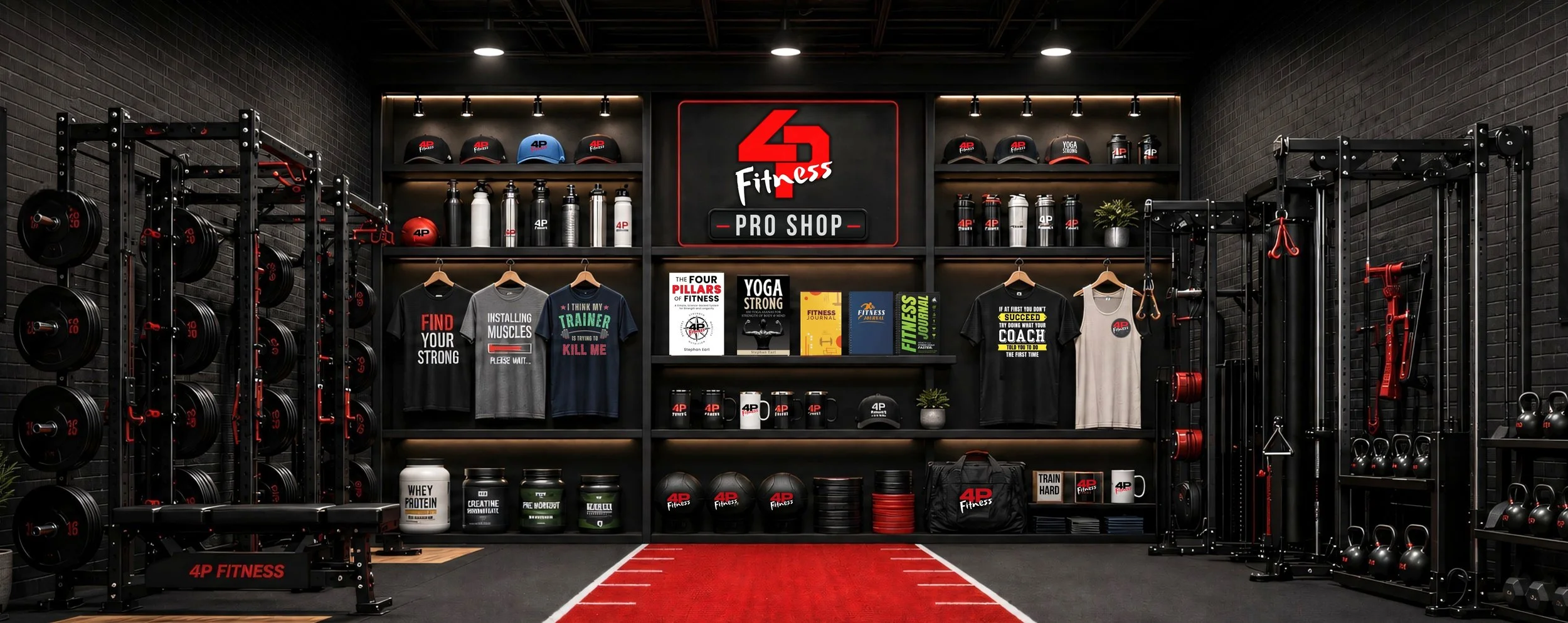
Gear up with fitness-inspired apparel, drinkware, journals, instant downloads, and a little gym and coach humor for the people who train hard, recover smart, and still know how to laugh between sets.
Shop the 4P Fitness Pro Shop and find something that fits your fitness life.


The 4P Fitness Pro Shop Gift Card is a simple, flexible gift for lifters, athletes, coaches, clients, and everyday warriors. Available from $25 to $200, it lets them choose apparel, drinkware, fitness gear, books, journals, or other 4P Fitness favorites. No sizing guesswork. No color worries. Just motivation they can pick for themselves.
Features
Available in denominations from $25 to $200
Redeemable toward eligible products in the 4P Fitness Pro Shop
Great for apparel, drinkware, fitness accessories, books, journals, and more
Perfect for athletes, gym lovers, coaches, clients, and fitness-minded friends
A flexible gift option for holidays, birthdays, milestones, and special occasions
No physical product required, making it easy to send and easy to use