

Strong After 40: Why Women Need Muscle, Hormone Support, and a Smarter Fitness Plan
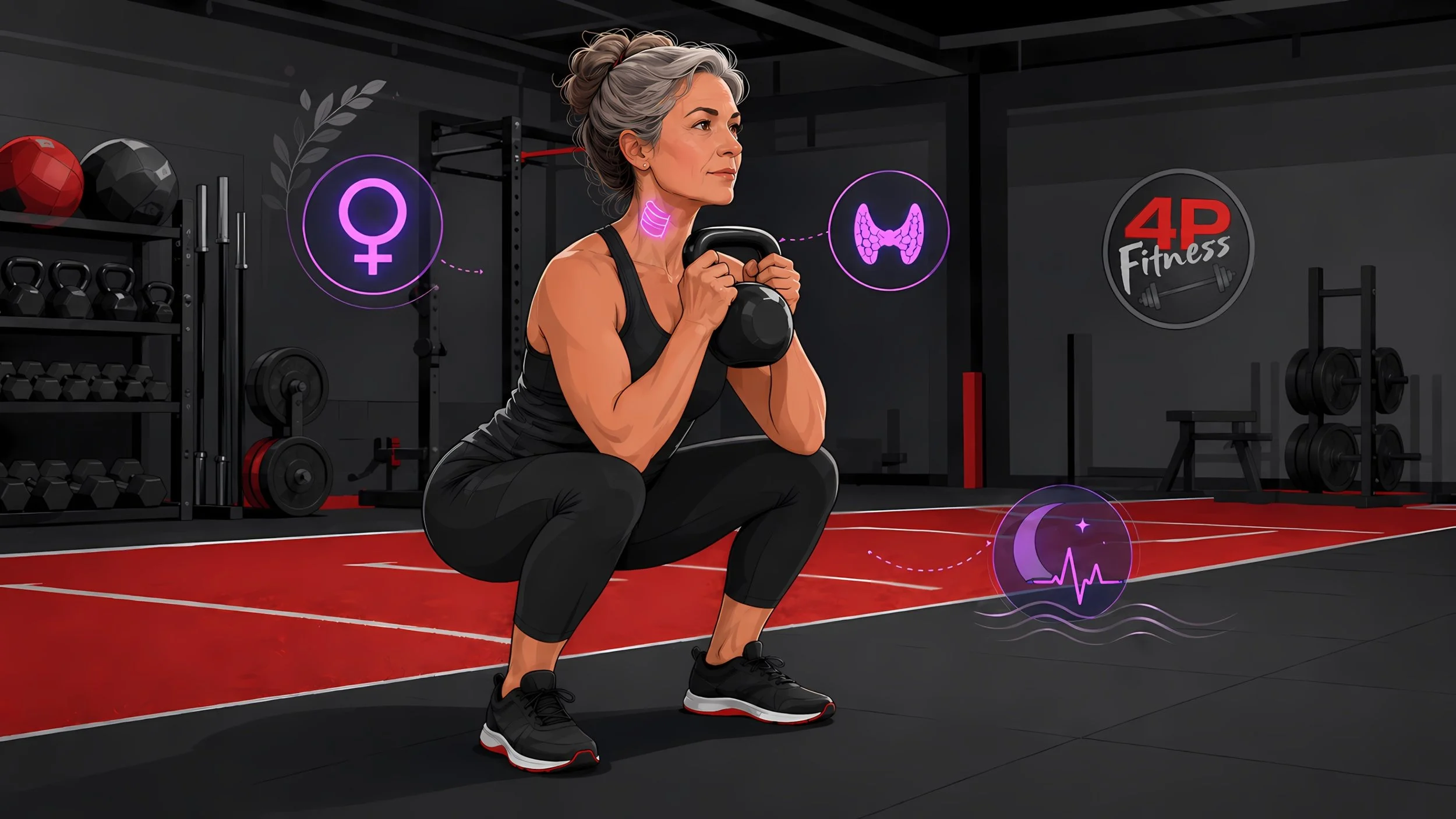
For years, women were told fitness was mostly about getting smaller. Eat less. Do more cardio. Burn more calories. Shrink the body.
But after 40, that advice becomes more challenging, or stops working altogether. Hormones change. Sleep changes. Recovery changes. Stress hits differently. The goal can’t just be weight loss anymore. It has to be strength, energy, and healthspan.
Women over 40 don’t need another punishment plan. They need a smarter plan built around muscle, hormone support, nutrition, and recovery.
The Hormonal Trifecta
For women over 40, hormones matter. That doesn’t mean progress is impossible. It means the strategy has to get smarter.
The three big players I often see affecting women’s energy, weight, recovery, and training results are estrogen, thyroid, and cortisol.
Estrogen shifts during perimenopause and menopause. It plays a role in bone health, body composition, sleep, mood, and how the body responds to training. As estrogen changes, recovery may feel slower, sleep may get choppy, and muscle can become harder to maintain without strength training and enough protein.
Declining estrogen doesn’t mean you’re doomed to lose strength. It means the habits that protect strength matter more.
Thyroid health also matters. The thyroid helps regulate metabolism, energy, body temperature, heart rate, and digestion. Many women over 40 deal with hypothyroidism or Hashimoto’s thyroiditis, an autoimmune condition that can lead to hypothyroidism.
Common symptoms can include fatigue, feeling cold, dry skin, constipation, low mood, brain fog, hair thinning, muscle aches, and unexplained weight gain. These symptoms can also come from other issues, so testing matters.
If your thyroid is underactive, you can’t simply outwork it with more cardio and stricter dieting. Strength training can support your body, but it doesn’t replace bloodwork, medical care, or medication when it’s needed. Sometimes the answer isn’t more discipline. Sometimes it’s, “Let’s stop guessing and get the right labs checked.”
That may include Thyroid Stimulating Hormone (TSH), Free T4, and thyroid antibodies if Hashimoto’s is suspected. Some providers may also look at Free T3, ferritin, Vitamin D, A1C, fasting glucose, and other markers.
Cortisol is not the villain. It’s a normal stress hormone. Exercise raises cortisol for a short time because exercise is a stressor. The problem happens when stress keeps stacking up: poor sleep, work stress, family demands, under-eating, too much caffeine, hard workouts, long cardio sessions, and not enough recovery.
That’s when some women feel tired and wired at the same time.
This is why too much high-stress cardio can backfire. Cardio is not bad. Walking, cycling, rowing, swimming, and conditioning can all help. But if your body is already under heavy stress, more punishment-style workouts may not be the best move.
A smarter strategy is often strength training first, walking and Zone 2 cardio as support, and high-intensity work used with intention.
Muscle Is the Foundation
After 40, muscle and strength become two of the most valuable assets a woman can build. Not “tone.” Real strength. Toning is usually just building muscle and losing enough body fat for that muscle to show. The muscle has to come first.
Strength training helps fight sarcopenia, which is age-related muscle loss. It also supports bone mineral density, which becomes especially important after menopause. Walking is great, but bones also respond to load. That’s why progressive resistance training matters.
A smart plan doesn’t need to be extreme. Most women don’t need random workouts that leave them crawling out of the gym. They need basic movement patterns: squat, hinge, push, pull, carry, core stability, and mobility.
For many women, that means two to four strength sessions per week, depending on schedule, recovery, experience, and health history.
You don’t need to train like a bodybuilder. You need to train like someone who plans to stay strong for decades.
Stop Shrinking and Start Fueling
Many women over 40 are still carrying old diet messages. Eat less. Skip meals. Do more cardio. Drink coffee for breakfast. Then wonder why you’re exhausted by 4 p.m.
That approach may create short-term weight loss, but it’s not a great long-term strategy for muscle, bones, metabolism, hormones, or recovery.
If you want to build a stronger body, you need to fuel it.
Protein supports muscle repair, muscle maintenance, immune function, and training recovery. For many active adults over 40, a good working target is about 0.7 to 1.0 grams of protein per pound of goal body weight, spread across meals.
Carbohydrates support training energy and recovery. Healthy fats support fullness and overall health. Fiber supports gut health, blood sugar control, and heart health.
The goal is not to eat recklessly. The goal is to stop treating food like punishment.
Use Data, But Don’t Worship It
Wearables, smart scales, food tracking, heart rate variability (HRV), and Continuous Glucose Monitors (CGMs) are great tools when used in the right context. They can also create anxiety if you let every number run your life.
The same goes for collagen, red light therapy, and Hormone Replacement Therapy (HRT). Some tools may help the right person, but none of them replace the foundation: strength training, enough protein, smart nutrition, sleep, stress management, mobility, and medical guidance when symptoms point to something deeper.
The Four Pillar Fitness Approach
When hormones, stress, training, and nutrition are all connected, the solution has to be connected too. That’s why I use the Four Pillar Fitness approach. It gives you a simple structure for building strength, moving well, fueling your body, and recovering enough to actually adapt from the work you’re doing.When hormones, stress, training, and nutrition are all connected, the solution has to be connected too. That’s why I guide clients using my Four Pillar Fitness approach. It gives you a simple structure for building strength, moving well, fueling your body, and recovering enough to actually adapt from the work you’re doing.
Strength: Lift weights consistently. Focus on push, pull, squat, hinge, carry, and core movements.
Mobility: Keep your joints moving well so you can train safely and feel less stiff.
Nutrition: Prioritize protein, fiber, whole foods, hydration, and enough total food to support training.
Recovery: Respect sleep, stress, and hormonal changes. Recovery is not laziness. It’s where your body adapts.
Your path to strength and longevity should involve science, but it doesn’t have to be rocket science.
In Closing
A smarter fitness plan for women over 40 is not about chasing every trend. It’s about the whole picture.
You need muscle because muscle is central to aging well. You need nutrition that supports performance instead of constant restriction. You need recovery because stress is real. And you need medical testing when symptoms point to thyroid issues, nutrient deficiencies, or other health concerns.
The goal is not to become smaller at all costs. The goal is to become stronger, healthier, more capable, and harder to knock down. That’s what smart fitness after 40 should look like.
If you’re a woman over 40, what has changed the most for you: energy, sleep, strength, weight, recovery, or hormones? Leave a comment below and share what you’re noticing.
If you’re a woman over 40, what has changed the most for you: energy, sleep, strength, weight, recovery, or hormones? Leave a comment below and share what you’re noticing.
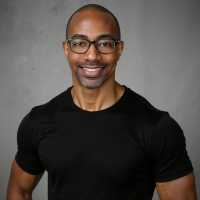
Stephan Earl is a NASM Certified Personal Trainer, Nutrition Coach, and Corrective Exercise Specialist dedicated to helping people build lasting strength and mobility at every age. With a focus on practical, sustainable fitness, he combines science-based training with mindful movement and nutrition.
He's the author of Yoga Strong: 100 Asanas for Strength of Body and Mind and the forthcoming book The Four Pillars of Fitness: A Simple, Science-Backed System For Strength and Longevity, which explores how to stay strong, flexible, and energized for life. His mission is to help others move better, feel better, and live fully at every stage of their fitness journey.
Learn More
Four Pillar Fitness is built on one clear idea. Strength, Mobility, Nutrition, and Recovery work together to keep you strong and independent at every age. To dive deeper into each pillar visit 4PFitness.com.
References
American College of Sports Medicine. “ACSM Publishes Updated Resistance Training Guidelines.” 2026.
American College of Sports Medicine. “Physical Activity Guidelines.”
American Thyroid Association. “Hypothyroidism.”
American Thyroid Association. “Hashimoto’s Thyroiditis.”
Capel-Alcaraz, A. M., et al. “The Efficacy of Strength Exercises for Reducing the Symptoms of Menopause.” 2023.
Currier, B. S., et al. “Resistance Training Prescription for Muscle Function, Hypertrophy, and Physical Performance in Healthy Adults: An Overview of Reviews.” Medicine & Science in Sports & Exercise. 2026.
Isenmann, E., et al. “Resistance Training Alters Body Composition in Middle-Aged Women Depending on Menopause: A 20-Week Control Trial.” 2023.
Mohebbi, R., et al. “Exercise Training and Bone Mineral Density in Postmenopausal Women: A Systematic Review and Meta-Analysis.” 2023.
Stengel, S. V., et al. “Power Training Is More Effective Than Strength Training for Maintaining Bone Mineral Density in Postmenopausal Women.” Journal of Applied Physiology. 2005.
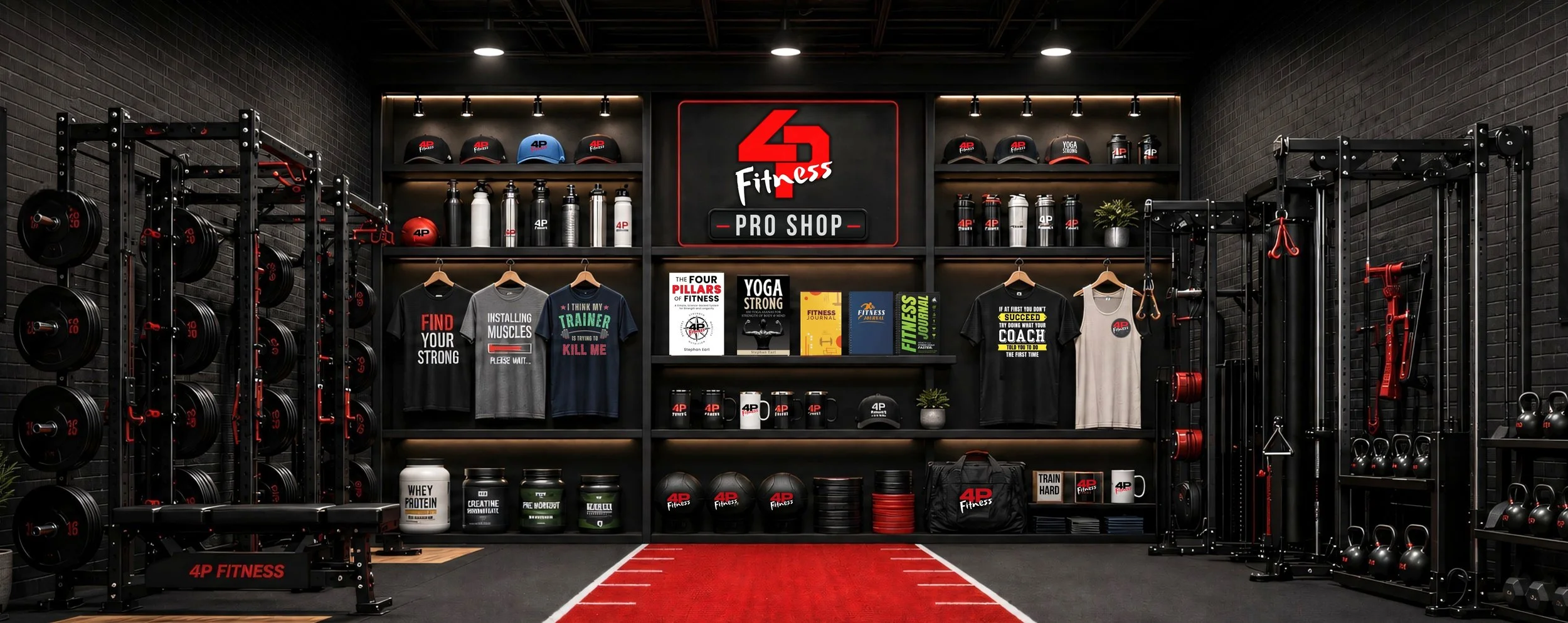
Gear up with fitness-inspired apparel, drinkware, journals, instant downloads, and a little gym and coach humor for the people who train hard, recover smart, and still know how to laugh between sets.
Shop the 4P Fitness Pro Shop and find something that fits your fitness life.

The 4P Fitness Pro Shop Gift Card is a simple, flexible gift for lifters, athletes, coaches, clients, and everyday warriors. Available from $25 to $200, it lets them choose apparel, drinkware, fitness gear, books, journals, or other 4P Fitness favorites. No sizing guesswork. No color worries. Just motivation they can pick for themselves.
Features
Available in denominations from $25 to $200
Redeemable toward eligible products in the 4P Fitness Pro Shop
Great for apparel, drinkware, fitness accessories, books, journals, and more
Perfect for athletes, gym lovers, coaches, clients, and fitness-minded friends
A flexible gift option for holidays, birthdays, milestones, and special occasions
No physical product required, making it easy to send and easy to use