

Gym Squatters: When Phone Scrolling Starts Stealing the Workout
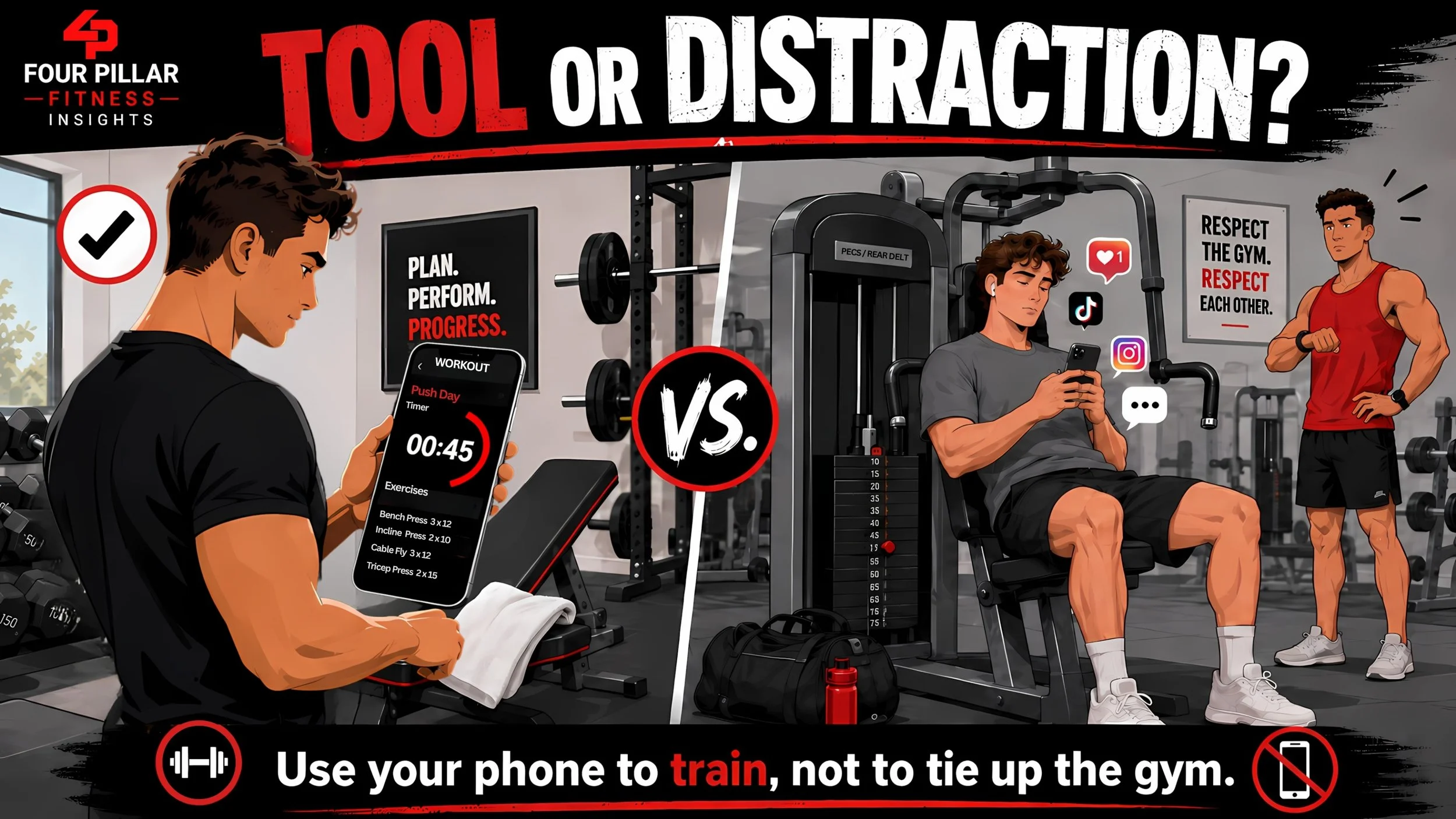
Your phone can be a useful training tool. But when scrolling turns a machine into a lounge chair, the whole gym feels it.
Most people have seen it. Someone is sitting on a machine, head down, completely absorbed in their phone. Maybe they finished a set a few minutes ago. Maybe they’re “resting.” Meanwhile, someone else is waiting nearby, wondering whether to ask to work in or skip the exercise altogether.
That’s where the modern gym problem begins. I call these people gym squatters. Not because they’re doing squats, but because they’re occupying equipment without really using it. The slang term even appeared on Urban Dictionary in 2025, describing someone who sits on gym equipment while doom scrolling instead of working out. The fact that people gave it a name tells you how common the frustration has become.
This isn’t an anti-phone article. Phones are part of modern training, and they can be useful when they support the workout. People use them for music, workout apps, timers, coaching check-ins, form videos, nutrition tracking, and progress photos. I use mine daily for coaching work, including logging client workouts, reviewing progress, and tracking macros. The phone itself isn’t the problem. The problem starts when the phone stops supporting the workout and becomes the workout.
Phones Can Help Your Training
Used correctly, a phone can make training more organized and effective. You can track sets, reps, weights, rest periods, food intake, sleep, and long-term progress. For many people, that structure improves consistency because it removes guesswork and makes progress easier to measure.
Workout apps can remind you what exercise comes next and what weight you used last time. Timers keep rest periods under control. Music can improve focus. Recording a set can help you review technique and make adjustments. There’s no reason to pretend technology doesn’t have value in fitness. If your phone helps you train better, use it.
The issue is when useful phone habits turn into distractions. Logging a set takes seconds. Checking a timer takes seconds. Opening social media and disappearing into an endless scroll for several minutes is something else entirely. That’s when phone use starts hurting the workout instead of helping it.
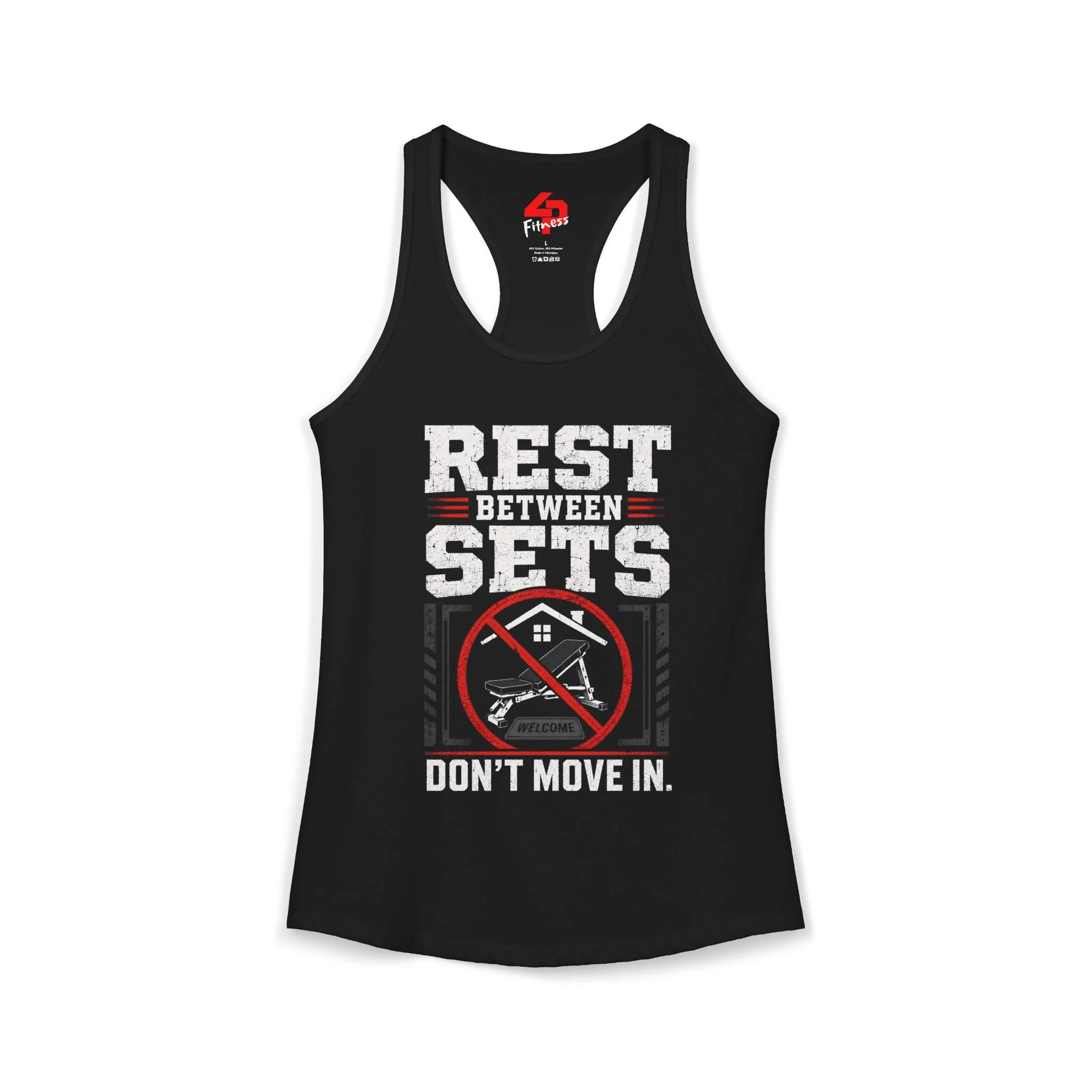
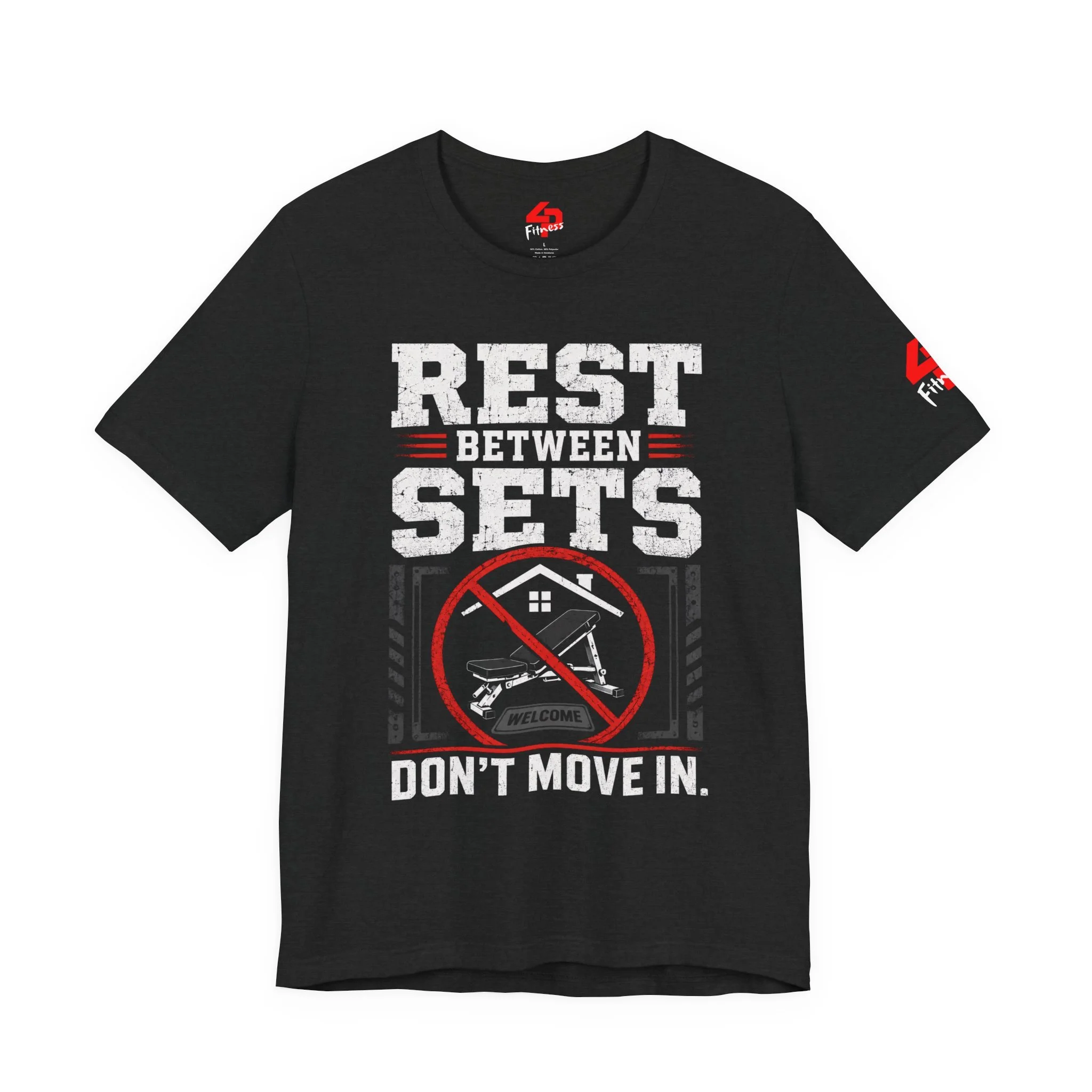

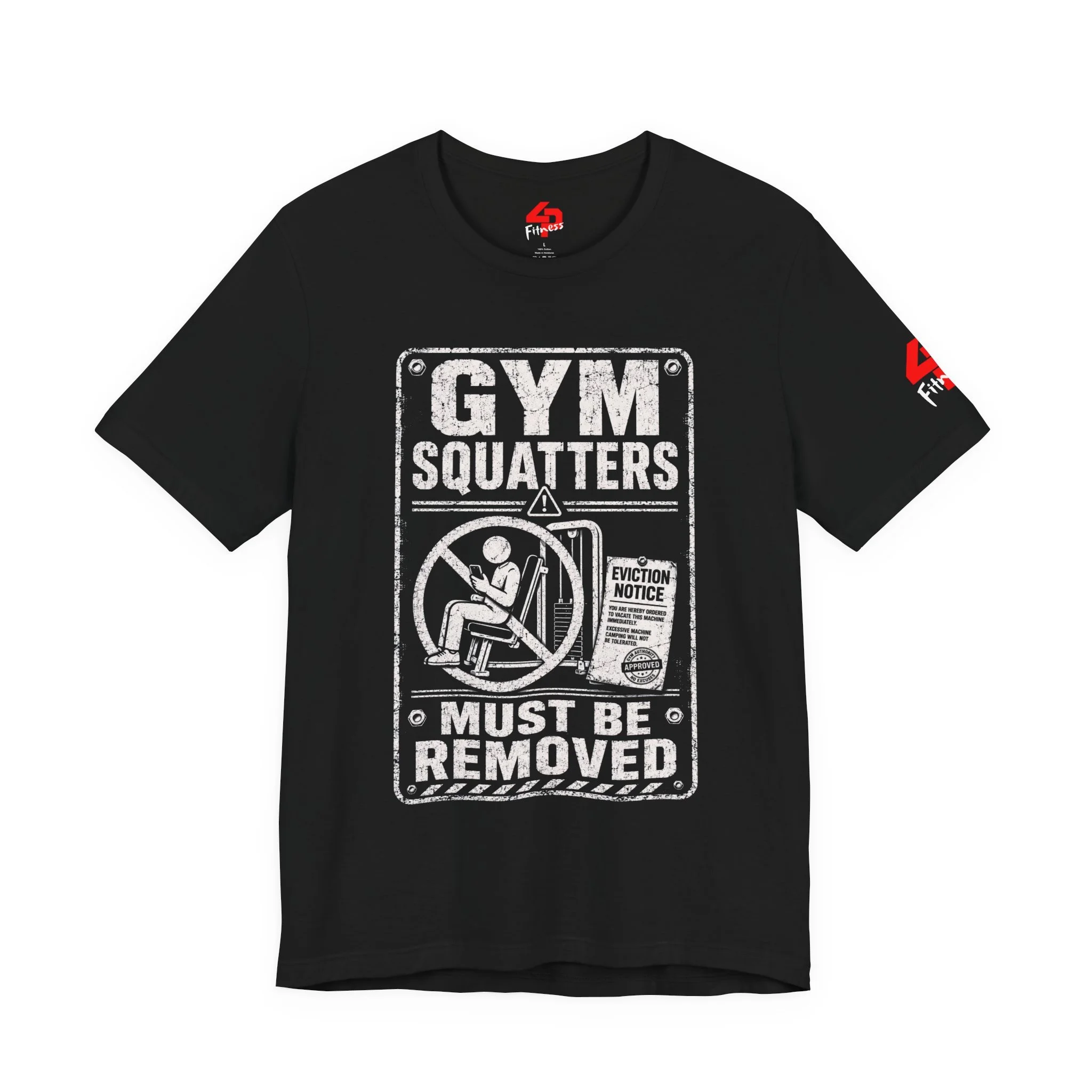
The Real Problem Is Machine Camping
The issue isn’t having a phone in your hand. The issue is occupying equipment you’re not actively using. You see it everywhere: cable stations, benches, squat racks, leg presses, chest press machines, and other popular equipment during busy hours. Someone finishes a set, sits down, and disappears into their screen while everyone else waits.
Most people aren’t intentionally being rude. They’re distracted, and phones make time disappear. A planned two-minute rest period becomes six minutes. A quick text turns into a social media session. Before long, the workout loses momentum and the people around you start adjusting their workouts because the equipment is tied up.
The gym is a shared space. Nobody expects you to rush through your workout, but staying aware of the people around you matters. When equipment is limited, machine camping affects everyone.
Rest Periods Matter, But They Should Be Intentional
To be fair, not everyone sitting between sets is wasting time. Effective strength training often requires longer rest periods. If you’re lifting heavy on compound movements such as squats, deadlifts, presses, or rows, resting two to five minutes between hard sets can be completely appropriate. Recovery is part of performance.
The difference is intention. An intentional rest period serves a purpose. You’re recovering, preparing for the next set, and keeping track of time. You know when your next set starts because you’re paying attention. An accidental rest period happens when the phone takes over and you stop resting for performance. At that point, you’re just sitting there because you got distracted.
If you need longer rest periods, use a timer. If someone is waiting, let them work in when practical. If you’re finished with the machine but still want to scroll or text, move somewhere else. That simple habit eliminates a lot of unnecessary frustration.
Scrolling Can Lower Workout Quality
Phone distractions don’t just affect other people. They can reduce the quality of your own workout. When your attention constantly shifts between training and scrolling, it becomes easier to lose track of weights, forget set counts, extend rest periods, or reduce workout intensity without realizing it. Physically, you’re in the gym. Mentally, you’re somewhere else.
Research suggests that texting or talking on a phone during exercise can reduce workout intensity and may affect balance during movement. That doesn’t mean checking your phone once ruins a session. It simply means distraction comes with a cost, especially when it pulls attention away from effort, movement, and safety.
There’s also a practical issue. Most people already struggle to find time for fitness. If you only have 45 minutes to train, spending a third of that time scrolling through videos isn’t helping you reach your goals. The goal isn’t to rush through workouts. The goal is to train with purpose.
Gym Etiquette Is Part of Training Maturity
Good gym etiquette isn’t complicated. It comes down to respecting the fact that other people are there to train too. Wipe down equipment. Re-rack your weights. Don’t block walkways. Don’t film strangers without permission. Don’t occupy equipment longer than necessary. And don’t claim multiple stations during peak hours unless you’re prepared to share.
These habits seem basic, but they make a huge difference. The gym works best when people treat it as a shared training environment rather than a private studio. You don’t need to be social or talk to everyone. You simply need to be aware of how your actions affect others.
If someone asks whether you’re using a machine, answer clearly. If they ask to work in and it’s practical, let them. If you’re taking longer rests, communicate that. A little courtesy goes a long way.
Beginners Feel This the Most
Poor gym etiquette often affects beginners more than experienced lifters. Many new gym members already feel uncertain about what they’re doing, and they may not feel comfortable asking someone to move or share equipment. When a machine appears occupied indefinitely, they may skip the exercise entirely.
That’s unfortunate because gyms should feel welcoming enough for people to learn and improve. This is why “just ask them” isn’t always the complete solution. Yes, communication helps, but experienced gym-goers should also pay attention to their surroundings. If someone is clearly waiting, acknowledge them. If you’re done, move. If you’re willing to share, say so. Small acts of awareness make the gym more comfortable for everyone.
Use the Phone Like a Tool
The solution isn’t banning phones from gyms. Phones are useful, and they’re not going anywhere. The better solution is using them intentionally.
Before your workout, know what you’re training. Open the app you need. Start your music. Set your timer. Log your workout. Then put the phone away until you actually need it again. If you record your lifts, keep the setup respectful by avoiding blocked equipment, mirrors, or walkways, and be mindful of other people who may end up in the background.
Using your phone for music, coaching, tracking, or workout notes is completely reasonable. But if you find yourself sitting on a machine while social media takes over, it’s probably time to refocus.
Scroll later. Train now.
Simple Rules for Not Being a Gym Squatter
Avoiding gym squatter behavior is simple. Use a timer for rest periods. Log your sets quickly and move on. If someone is waiting and you have several sets left, offer to let them work in when possible. If you need to take a call, answer messages, or spend time scrolling, step away from the equipment first.
When you’re finished, clear the machine and move on. It also helps to adjust your awareness based on how busy the gym is. A nearly empty gym gives everyone more flexibility. A crowded gym requires more consideration. During peak hours, keep distractions short, share equipment when practical, and avoid treating machines like personal seating areas.
The gym squatter problem is really a focus problem. When you walk into the gym, your primary goal is to train. That doesn’t mean every workout has to be intense or serious, and it doesn’t mean you can’t enjoy music, technology, or conversations. It simply means your actions should match your purpose.
Use the phone. Log the workout. Time your rest periods. Track your progress. Then put the phone down and do the work.
Have you noticed more “gym squatters” lately, or do you think phone use in the gym gets blamed too much? Leave a comment below.
Stephan Earl is a NASM Certified Personal Trainer, Nutrition Coach, and Corrective Exercise Specialist dedicated to helping people build lasting strength and mobility at every age. With a focus on practical, sustainable fitness, he combines science-based training with mindful movement and nutrition.
He's the author of Yoga Strong: 100 Asanas for Strength of Body and Mind and the forthcoming book The Four Pillars of Fitness: A Simple, Science-Backed System For Strength and Longevity, which explores how to stay strong, flexible, and energized for life. His mission is to help others move better, feel better, and live fully at every stage of their fitness journey.
Learn More
Four Pillar Fitness is built on one clear idea. Strength, Mobility, Nutrition, and Recovery work together to keep you strong and independent at every age. To dive deeper into each pillar visit 4PFitness.com.
References
Urban Dictionary. “Gym Squatter.” 2025.
ScienceDaily. “Your cell phone could curb the intensity of your workout.” 2017.
Onofrei RR, et al. “Smartphone Use and Postural Balance in Healthy Young Adults.” 2020.
Vox. “No one’s happy about people filming themselves in gyms.” 2025.
The Guardian. “The new rules of gym etiquette.” 2025.
More Health & Fitness Insights…






Visit the 4P Fitness PRO Shop
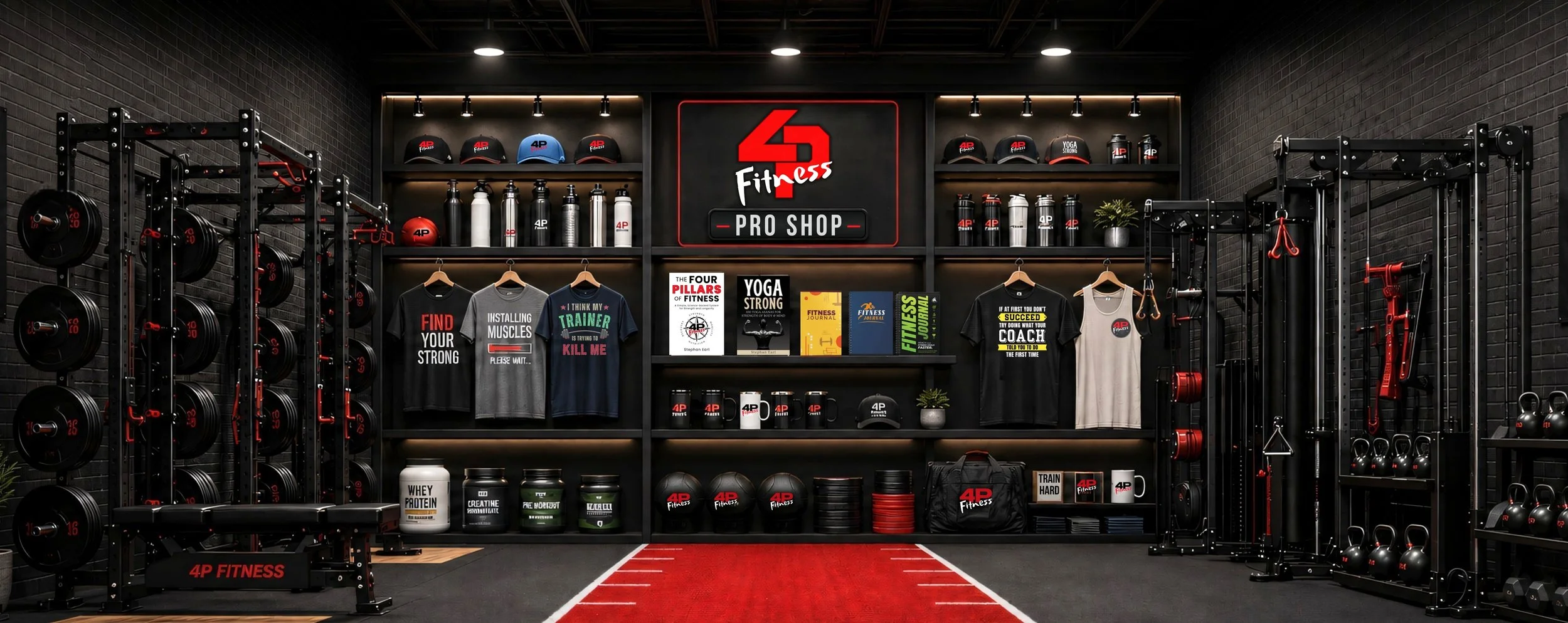
Gear up with fitness-inspired apparel, drinkware, journals, instant downloads, and a little gym and coach humor for the people who train hard, recover smart, and still know how to laugh between sets.
Shop the 4P Fitness Pro Shop and find something that fits your fitness life.

The 4P Fitness Pro Shop Gift Card is a simple, flexible gift for lifters, athletes, coaches, clients, and everyday warriors. Available from $25 to $200, it lets them choose apparel, drinkware, fitness gear, books, journals, or other 4P Fitness favorites. No sizing guesswork. No color worries. Just motivation they can pick for themselves.
Features
Available in denominations from $25 to $200
Redeemable toward eligible products in the 4P Fitness Pro Shop
Great for apparel, drinkware, fitness accessories, books, journals, and more
Perfect for athletes, gym lovers, coaches, clients, and fitness-minded friends
A flexible gift option for holidays, birthdays, milestones, and special occasions
No physical product required, making it easy to send and easy to use