

Protein-Packed "Comfort" Foods: How to Eat What You Love and Stay Strong
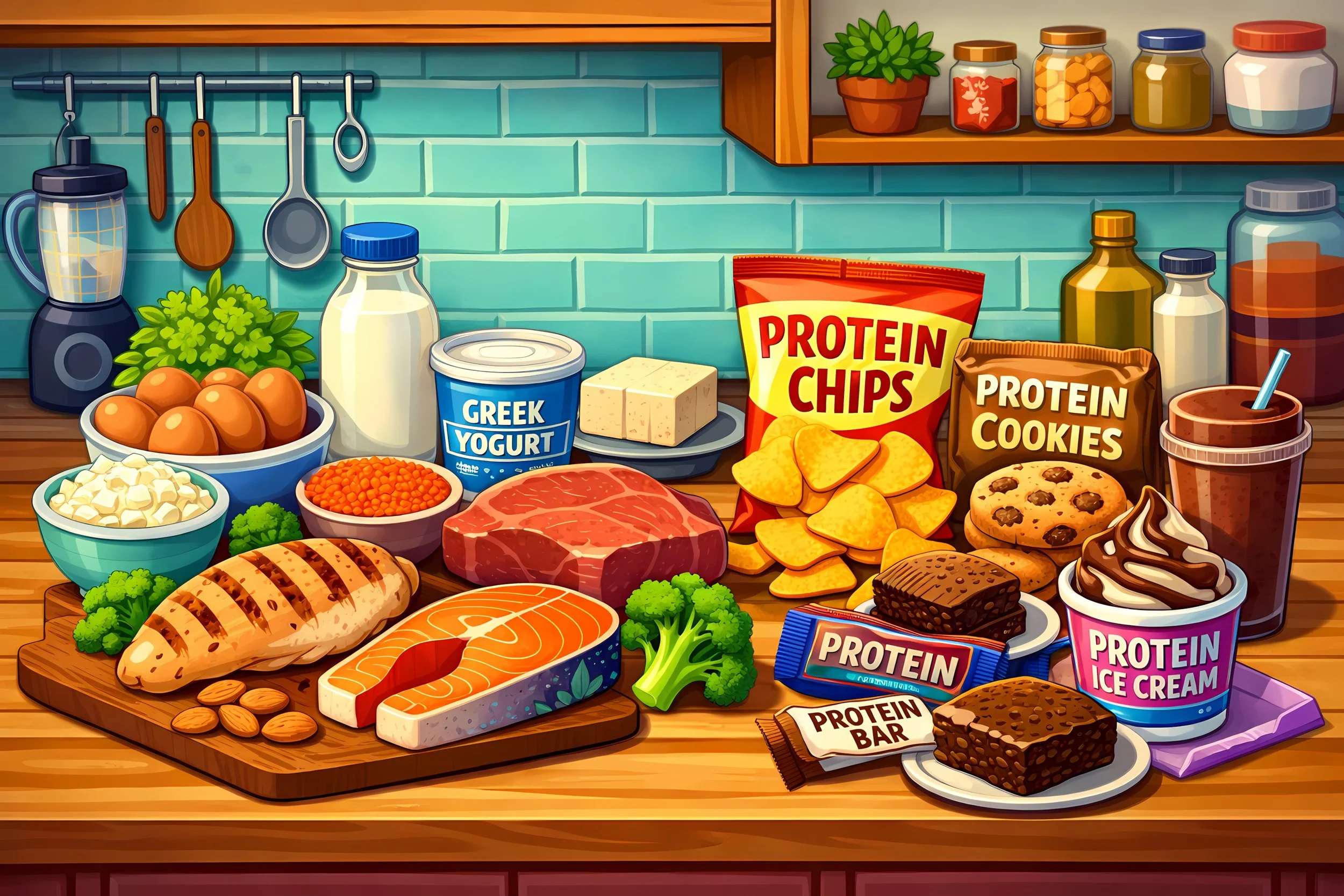
We've all been there. You know you need more protein to build muscle and stay healthy, but if you have to drink one more chalky protein shake, you might lose your mind. You aren't alone. Lately, more people than ever are searching for things like "high protein ice cream" and "protein chips."
As a personal trainer and nutrition coach, I see this shift as a huge win. People are finally realizing that your path to strength and longevity should involve science, but it doesn't have to be rocket science. You don't have to choose between reaching your goals and enjoying your food.
Haven't We Seen This Before?
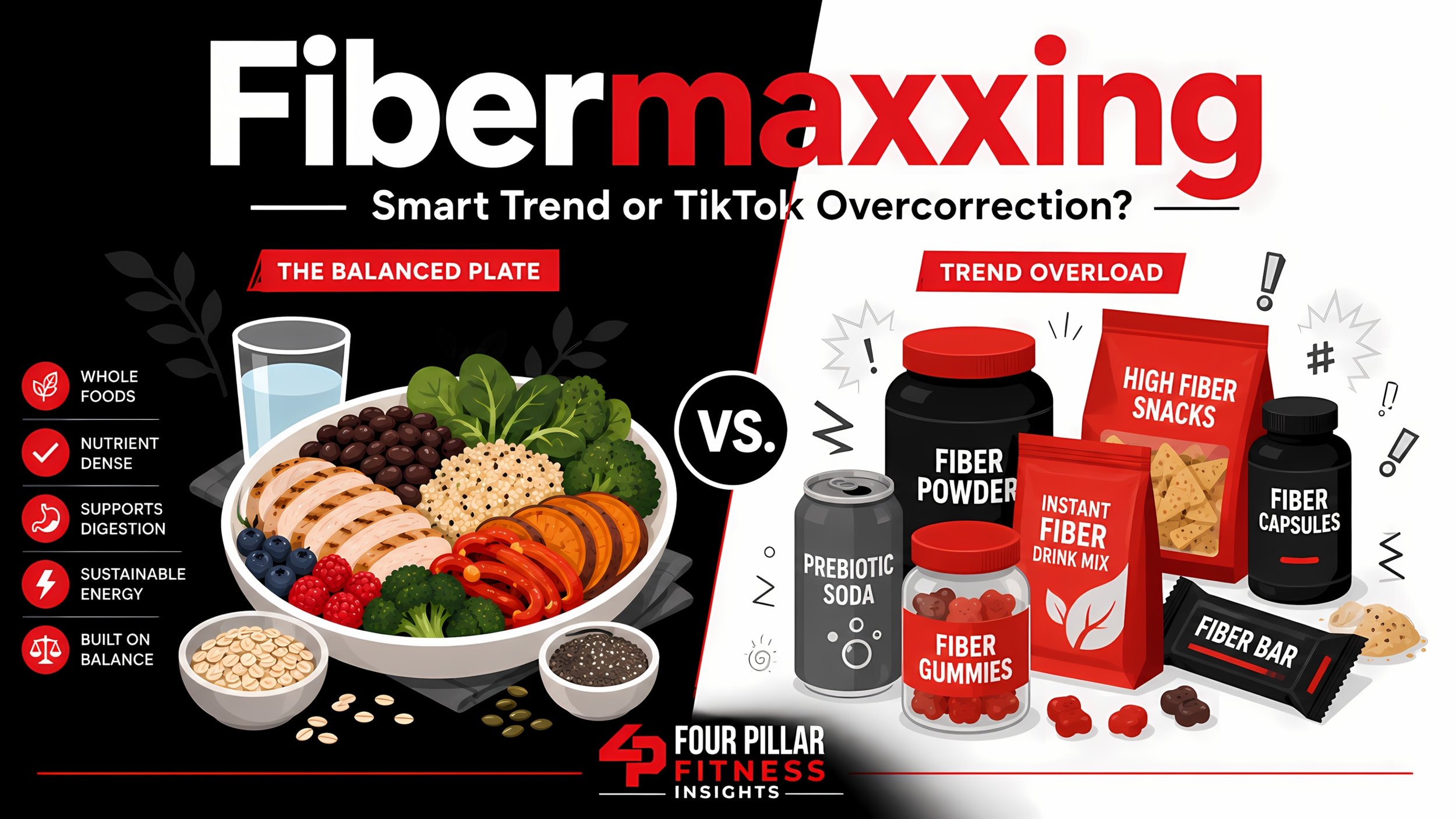
If this latest fitness hype feels familiar, it's because we've seen these health trends happen before. Back in the 1980s and 90s, there was a massive "fiber craze." Suddenly, companies were putting fiber into everything from sugary cookies to processed snacks just to call them healthy. It was a marketing gimmick that often hid the fact that the food was still junk.
Today, protein is the new fiber. While protein is great for you, companies are using it as a "health halo" to sell highly processed snacks. This "halo" makes you think a food is healthy just because one ingredient is good. Just like the fiber craze went bust when people realized a high-fiber cookie is still a cookie, we have to be smart about these new protein treats.
Why Protein is the King of Comfort
Protein is the most filling of all the nutrients we eat. When you swap a regular snack for a high-protein version, you aren't just building muscle. You're also telling your brain that you're full. This is why meals friendly to GLP-1 (Glucagon-Like Peptide-1) are becoming so popular. These meals focus on protein and fiber to help you feel satisfied longer.
When you eat enough protein, your body burns more calories just trying to digest it. This is called the Thermic Effect of Food. It's like a small bonus for your metabolism every time you choose a protein-packed snack over a sugary one.
Why Protein is the King of Comfort
Protein is the most filling of all the nutrients we eat. When you swap a regular snack for a high-protein version, you aren't just building muscle. You're also telling your brain that you're full. This is why meals friendly to GLP-1 (Glucagon-Like Peptide-1) are becoming so popular. These meals focus on protein and fiber to help you feel satisfied longer.
When you eat enough protein, your body burns more calories just trying to digest it. This is called the Thermic Effect of Food. It's like a small bonus for your metabolism every time you choose a protein-packed snack over a sugary one.
The Rise of High-Protein Treats
1. High-Protein Ice Cream
Ice cream used to be a "cheat meal," but now it can be a recovery tool. By using milk protein or whey, these treats give you the amino acids your muscles need while satisfying your sweet tooth. Studies show that eating protein before bed can even help your muscles recover while you sleep.
2. Protein Chips and Savory Snacks
If you crave salt, protein chips are a game changer. Most are made from soy or milk protein. They give you the crunch you want without the huge spike in blood sugar that comes from potato chips. Keeping your blood sugar steady helps you avoid that "afternoon crash".
The Catch: Not All Protein is Created Equal
While this "protein craze" is exciting, we have to look at the flip side. Just because a label says "High Protein" doesn't mean it's a health food. Many companies use the word protein to distract you from other ingredients that might work against your goals.
The Quality Question
Not all protein is absorbed the same way. Whole sources like eggs or whey have high "bioavailability." This means your body can actually use what you eat. Some processed protein snacks use lower-quality plant proteins that your body has a harder time turning into muscle.
The Sugar Trap
To make a protein bar taste like a candy bar, companies often add a lot of sugar or "sugar alcohols." While sugar alcohols have fewer calories, they can cause bloating and stomach pain for many people. Other snacks might use hidden sugars that can lead to fat storage if you eat too much of them.
Processing and Preservatives
Many of these comfort foods are "ultra-processed." This means they've been changed a lot from their original form and often have preservatives to help them stay on the shelf. Science shows that eating too many ultra-processed foods can lead to weight gain, even if the protein count is high.
The Fat and Sodium Factor
Some protein-packed meals are also very high in saturated fats and salt to make them taste "comfortable." Too much of these can lead to inflammation and heart issues over time. This can get in the way of your Recovery pillar and make you feel sluggish instead of strong.
How to Play it Smart
You don't have to be perfect to see results. Switching out one "empty calorie" snack for a protein-packed comfort food is a great start. However, you should still try to get most of your protein from whole foods like eggs, chicken, or beans.
Think of these protein treats as a tool in your toolbox, not the whole house. Check the labels for hidden sugars and try to pick treats with ingredients you can actually pronounce. If you enjoy what you eat and keep an eye on the quality, you're much more likely to keep going. That's the real secret to longevity.
What's your favorite high-protein comfort food that helps you stay on track? Leave a comment below.
Stephan Earl is a NASM Certified Personal Trainer, Nutrition Coach, and Corrective Exercise Specialist dedicated to helping people build lasting strength and mobility at every age. With a focus on practical, sustainable fitness, he combines science-based training with mindful movement and nutrition.
He's the author of Yoga Strong: 100 Asanas for Strength of Body and Mind and the forthcoming book The Four Pillars of Fitness: A Simple, Science-Backed System For Strength and Longevity, which explores how to stay strong, flexible, and energized for life. His mission is to help others move better, feel better, and live fully at every stage of their fitness journey.
Learn More
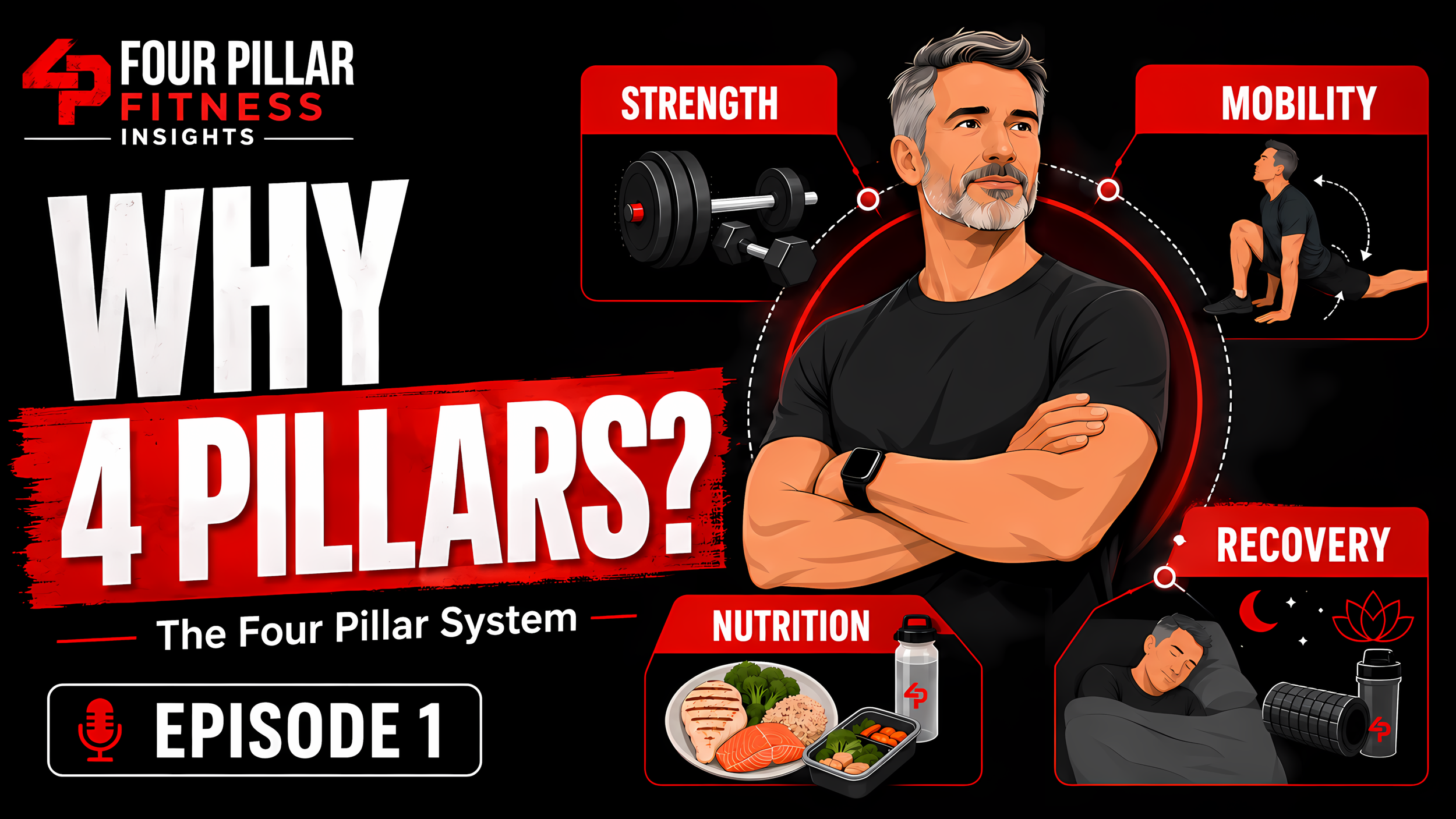
Four Pillar Fitness is built on one clear idea. Strength, Mobility, Nutrition, and Recovery work together to keep you strong and independent at every age. To dive deeper into each pillar visit 4PFitness.com.
References
Westerterp, K. R. (2004). Diet induced thermogenesis. Nutrition & Metabolism, 1(1), 5.
Res, P. T., et al. (2012). Protein ingestion before sleep improves postexercise overnight muscle protein synthesis. Medicine and Science in Sports and Exercise, 44(8), 1560-1569.
Paddon-Jones, D., et al. (2008). Protein, weight management, and satiety. The American Journal of Clinical Nutrition, 87(5), 1558S-1561S.
Devries, M. C., & Phillips, S. M. (2015). Supplemental protein in support of muscle mass and health: advantage whey. Journal of Food Science, 80(S1), A8-A15.
Mäkinen, K. K. (2016). Gastrointestinal Effects of Sugar Alcohols. International Journal of Dentistry.
Malik, V. S., & Hu, F. B. (2022). The role of sugar-sweetened beverages and added sugars in the global epidemics of obesity. Nature Reviews Endocrinology.
Hall, K. D., et al. (2019). Ultra-processed diets cause excess calorie intake and weight gain. Cell Metabolism, 30(1), 67-77.
Nestle, M. (2013). Food Politics: How the Food Industry Influences Nutrition and Health. University of California Press.
Hoffman, J. R., & Falvo, M. J. (2004). Protein – Which is Best? Journal of Sports Science & Medicine, 3(3), 118-130. (Discusses protein quality and bioavailability).

Gear up with fitness-inspired apparel, drinkware, journals, instant downloads, and a little gym and coach humor for the people who train hard, recover smart, and still know how to laugh between sets.
Shop the 4P Fitness Pro Shop and find something that fits your fitness life.
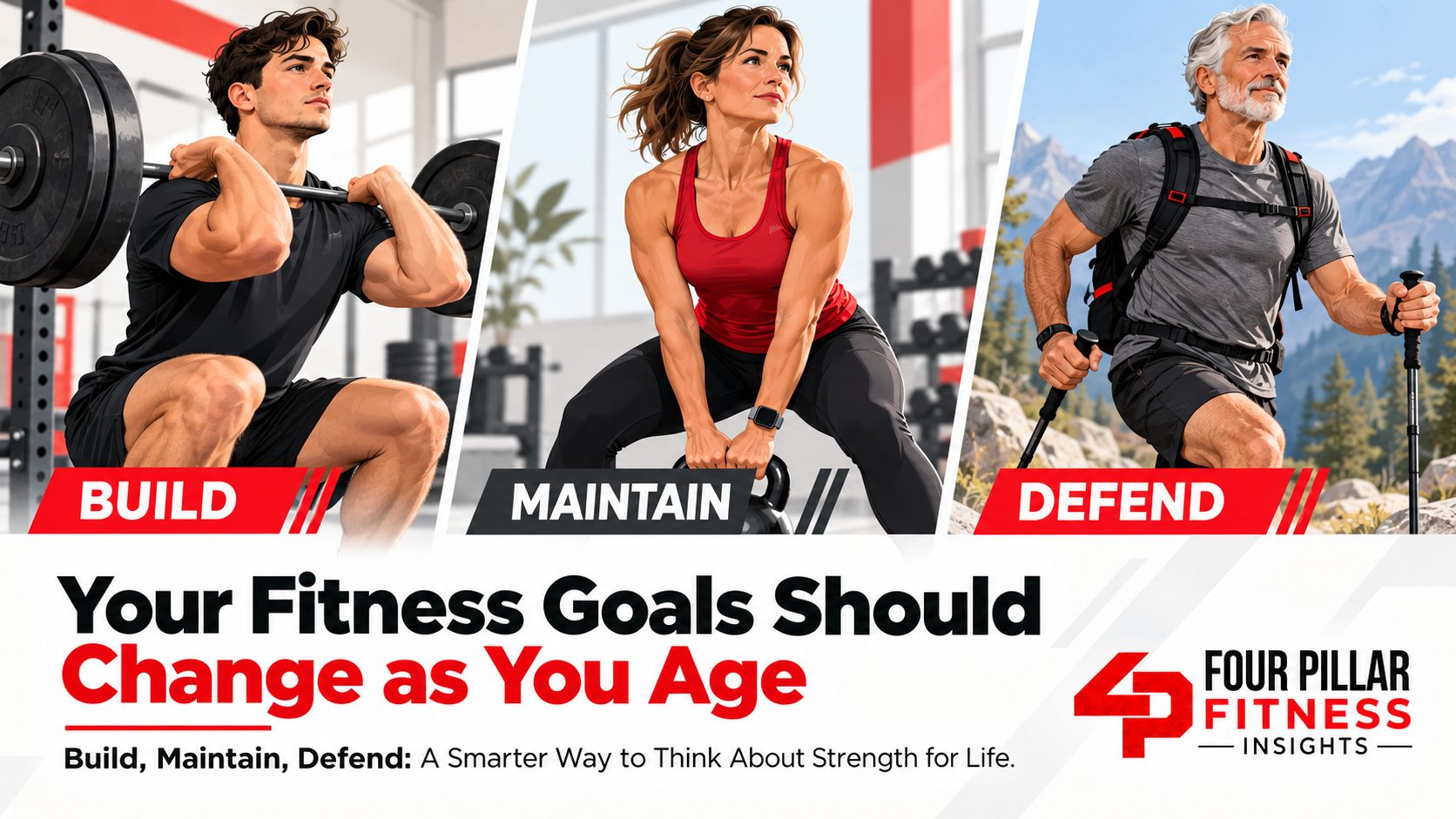
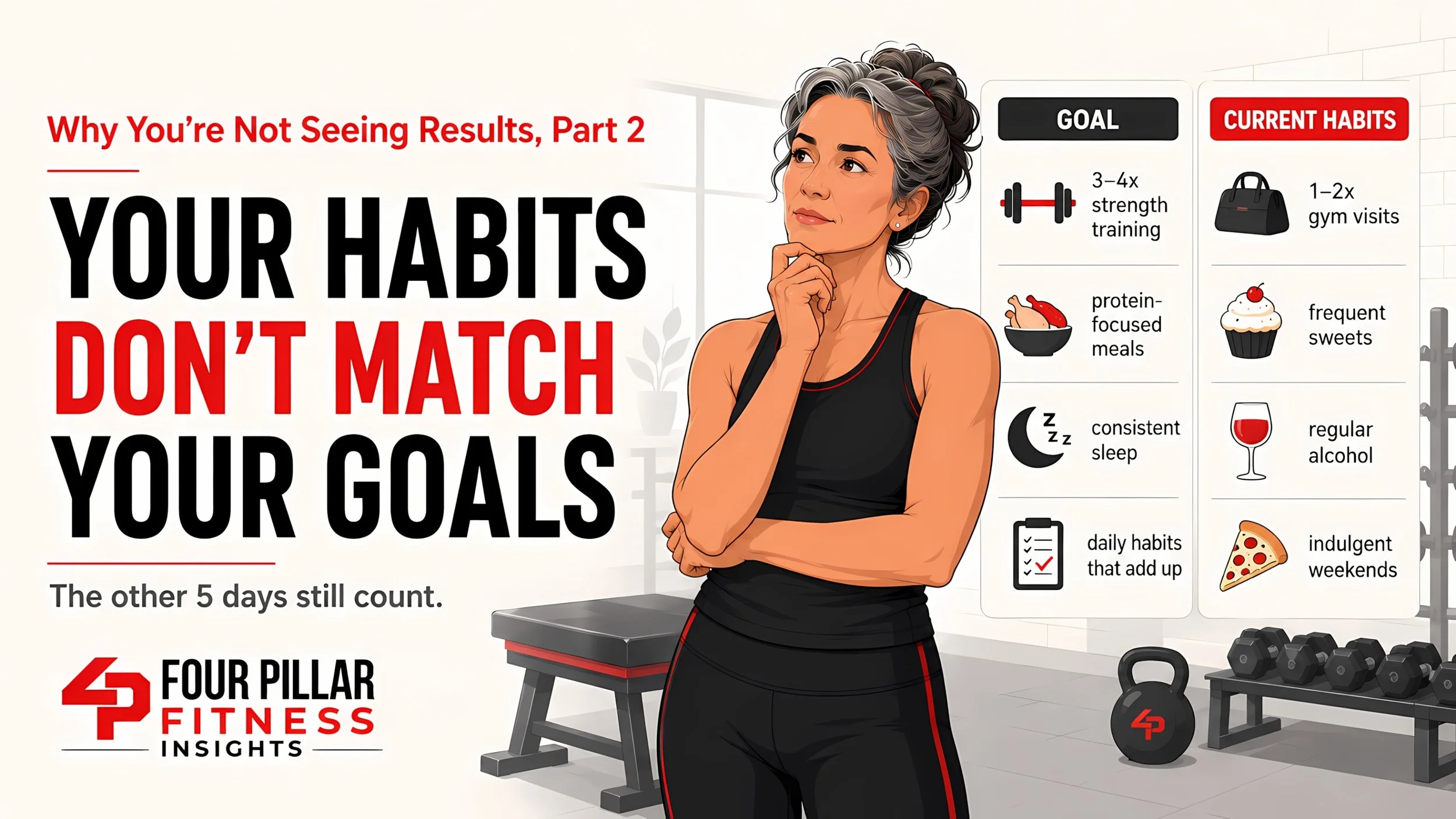

Can you build muscle and lose fat after 50? Yes, but the process depends on more than training hard or eating more. Learn how calorie intake, protein, alcohol, recovery, training history, body recomposition, smart-scale readings, and realistic timelines affect muscle gain and fat loss as you get older.