

Stop Chasing Motivation: A Simple Fitness Strategy for Busy Professionals
You know exercise would probably help you feel better. You understand the benefits, and you may have a gym membership waiting for you. Still, when the workday ends and your energy is gone, working out can feel like one more demand from a schedule that has already taken everything you had to give.
So, you wait for motivation. You tell yourself you’ll start when work settles down, when you’re sleeping better, or when you finally wake up feeling energized. Unfortunately, that magical wave rarely arrives on schedule. When you’re buried under deadlines, meetings, family responsibilities, and constant notifications, motivation is often the first thing to disappear.
That doesn’t mean you’re lazy or undisciplined. It means you’re human. The mistake is believing motivation must come before action. During stressful seasons, it often works the other way around. You take one manageable action, experience a small win, and motivation begins to follow.
When Stress Drains Your Drive
During my years in the corporate world, I understood what it meant to have a schedule that swallowed the day. Long meetings, travel, and shifting priorities didn’t leave much unused mental energy. Exercise mattered, but I didn’t always feel enthusiastic about doing it.
The easy conclusion would’ve been that I lacked motivation. The real problem was that stress had raised the barrier between thinking about exercise and getting started. Research has found that psychological stress often reduces physical activity.
When your brain already feels overloaded, a demanding workout can sound like another assignment, especially when you believe every session must last an hour or leave you exhausted.
Cortisol is often blamed, but it isn’t the villain. It’s a necessary hormone involved in energy regulation and the body’s response to challenges. The concern is prolonged stress combined with poor sleep and inadequate recovery.
This is where the Recovery pillar becomes important. Recovery isn’t limited to rest days, stretching, or sleep. It also includes managing the physical and mental stress you’re carrying. Exercise can support that process, but it shouldn’t feel like punishment added to an already overloaded life.




Exercise Should Be a Release Valve
Many busy adults approach fitness with an all-or-nothing mindset. They believe a workout only counts if it lasts an hour, burns a certain number of calories, or leaves them lying on the floor questioning their life choices.
When your calendar is full and your energy is low, that kind of workout feels impossible. Because you can’t complete the ideal session, you do nothing. Then you feel guilty, which adds more stress without moving you closer to your goal.
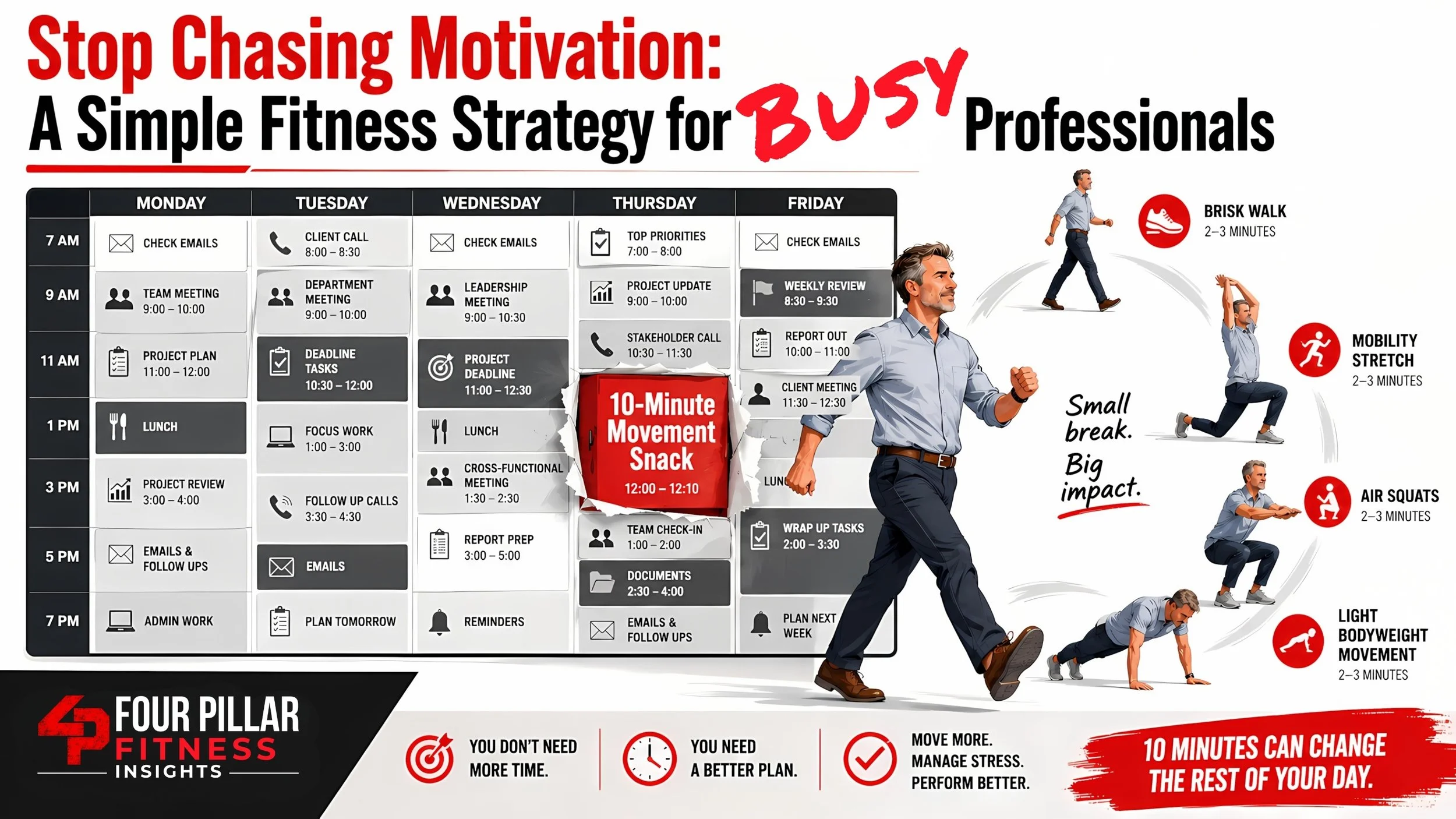
A better approach is to lower the barrier to entry. Instead of asking, “Do I have enough energy for a complete workout?” ask, “What useful movement can I complete in the next 10 minutes?” That small change makes starting easier and breaks the cycle of waiting for ideal conditions.
Enter the Movement Snack
A movement snack is a short period of intentional activity completed during the day. It might be a brisk walk, several mobility exercises, a few bodyweight movements, or a quick trip up and down the stairs.
Despite the playful name, movement snacks aren’t meaningless. Research suggests that shorter activity periods can provide many of the same health benefits as one continuous session when the total exercise is comparable. Brief breaks can also interrupt long periods of sitting and may improve energy and mood.
Your movement snack might be a 10-minute walk before a meeting or after lunch. You could combine mobility with squats, incline push-ups, and marching in place, or walk the stairs between meetings.
The goal isn’t to crush yourself. It’s to change your physical and mental state while building the habit of taking action. A movement snack isn’t meant to replace structured strength training. It’s meant to help you stop doing nothing while you wait for the perfect time to do everything.
Over time, a 10-minute walk may become a longer session. Even when it stays short, you’re practicing the most important part of any fitness routine: showing up.
Consistency Beats Intensity
There’s nothing wrong with training hard. Strength training, cardio, mobility work, and recovery all matter. The problem is that intensity gets most of the attention while consistency does most of the work.
One punishing workout followed by six inactive days isn’t a reliable strategy. A manageable plan you can repeat week after week will take you further, especially when you’re returning after a long break. Your first goal isn’t to prove how hard you can work. It’s to rebuild the habit of showing up.
Motivation changes with your mood, sleep, workload, and stress level. A simple routine gives you something more dependable because you don’t have to negotiate with yourself every day.
Three Steps You Can Take This Week
Schedule a 10-minute appointment for movement and treat it like any other commitment. Don’t leave it floating in the category of “when I have time.” Busy people rarely find unused time, so choose a realistic opening and protect it.
Next, attach movement to something you already do consistently, such as stretching after coffee, walking after lunch, or doing mobility work after closing your laptop. Linking a new behavior to an existing habit makes it easier to repeat.
Finally, track the win instead of judging the intensity. The win is completing what you planned, even when it’s only a short walk and a few stretches. Mark it on a calendar, record it in an app, or write it in a notebook so you can see your consistency building.
When a Little Structure Can Help
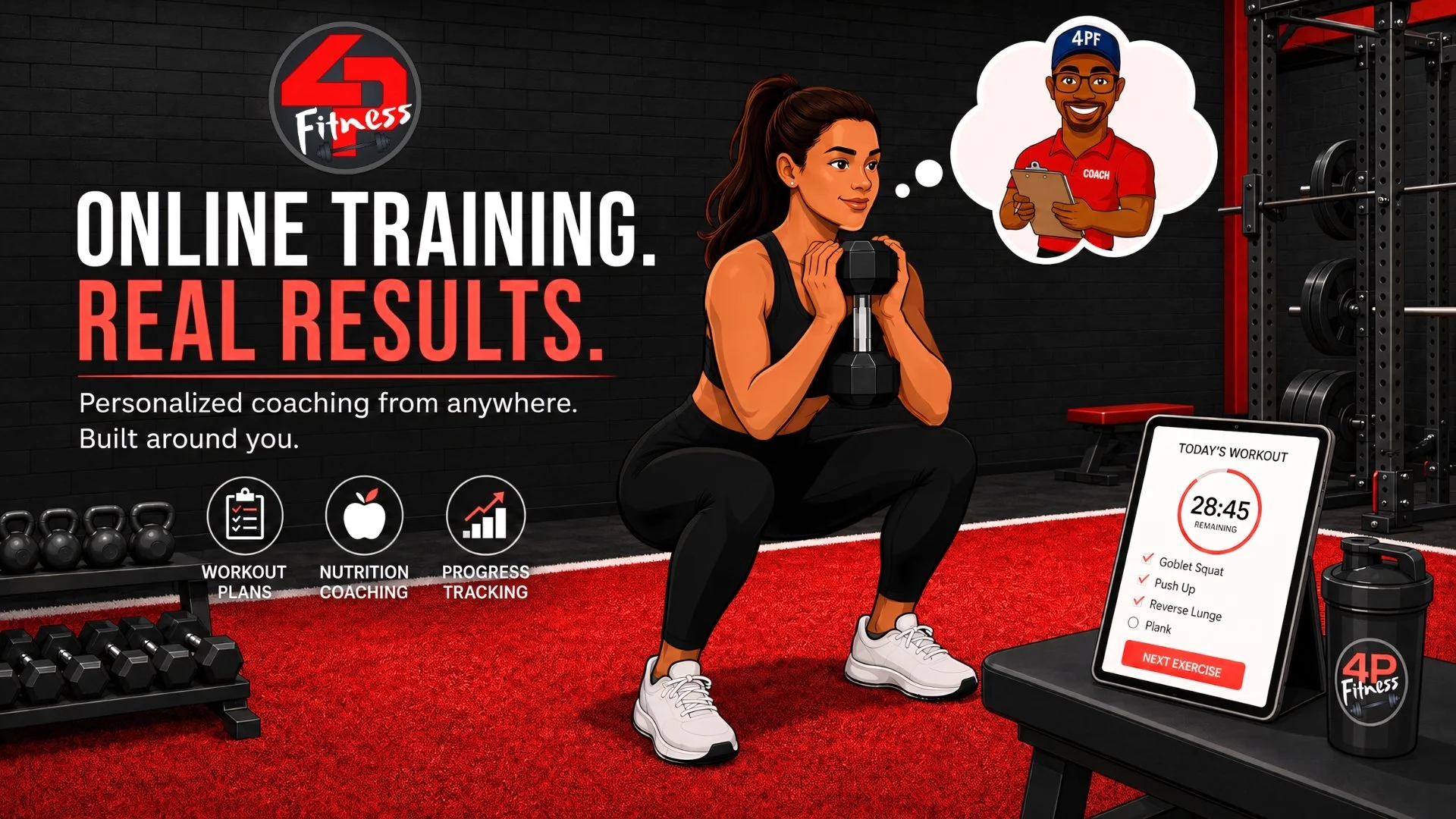
Some people can build these habits alone, while others do better with structure and accountability. Online training can be practical when you want guidance but can’t commit to regular in-person sessions. A coach can organize your workouts, adjust the plan when life gets busy, and keep you focused on steady progress.
I offer online coaching through Four Pillar Fitness for people who want that additional support. It isn’t the only way to get started, but it may be worth exploring if you’ve struggled to turn good intentions into a consistent routine. You can inquire through the link provided below.
Action Comes First
You may not feel motivated before your first walk, and you may not feel excited when that 10-minute reminder appears. Start anyway. Once you begin moving, your body warms up, your attention shifts away from work, and the task may feel easier than it did while you were sitting there thinking about it.
Even when the session remains short, you’ve interrupted the cycle of stress, avoidance, and guilt. More importantly, you’ve kept a promise to yourself. Repeating that process builds confidence and makes the next session easier to begin.
Your path to strength and longevity should involve science, but it doesn’t have to be rocket science. Stop waiting for motivation to rescue you. Choose one small action that fits your real life, complete it consistently, and let motivation catch up later.
What is one 10-minute “movement snack” you can add to your busy schedule today to kick stress to the curb? Leave a comment below.
Stephan Earl is a NASM Certified Personal Trainer, Nutrition Coach, and Corrective Exercise Specialist dedicated to helping people build lasting strength and mobility at every age. With a focus on practical, sustainable fitness, he combines science-based training with mindful movement and nutrition.
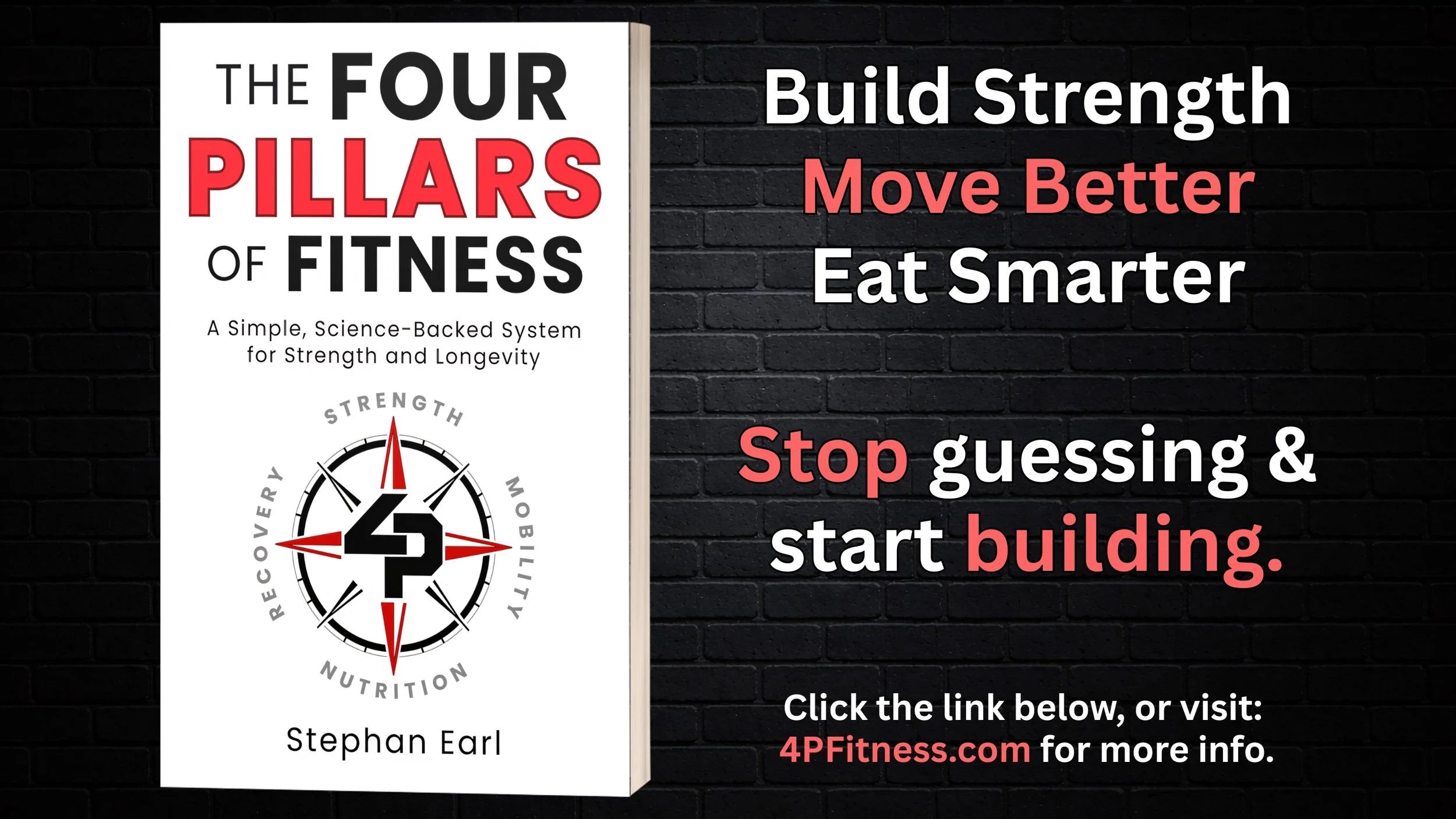
He's the author of Yoga Strong: 100 Asanas for Strength of Body and Mind and the forthcoming book The Four Pillars of Fitness: A Simple, Science-Backed System For Strength and Longevity, which explores how to stay strong, flexible, and energized for life. His mission is to help others move better, feel better, and live fully at every stage of their fitness journey.
Learn More
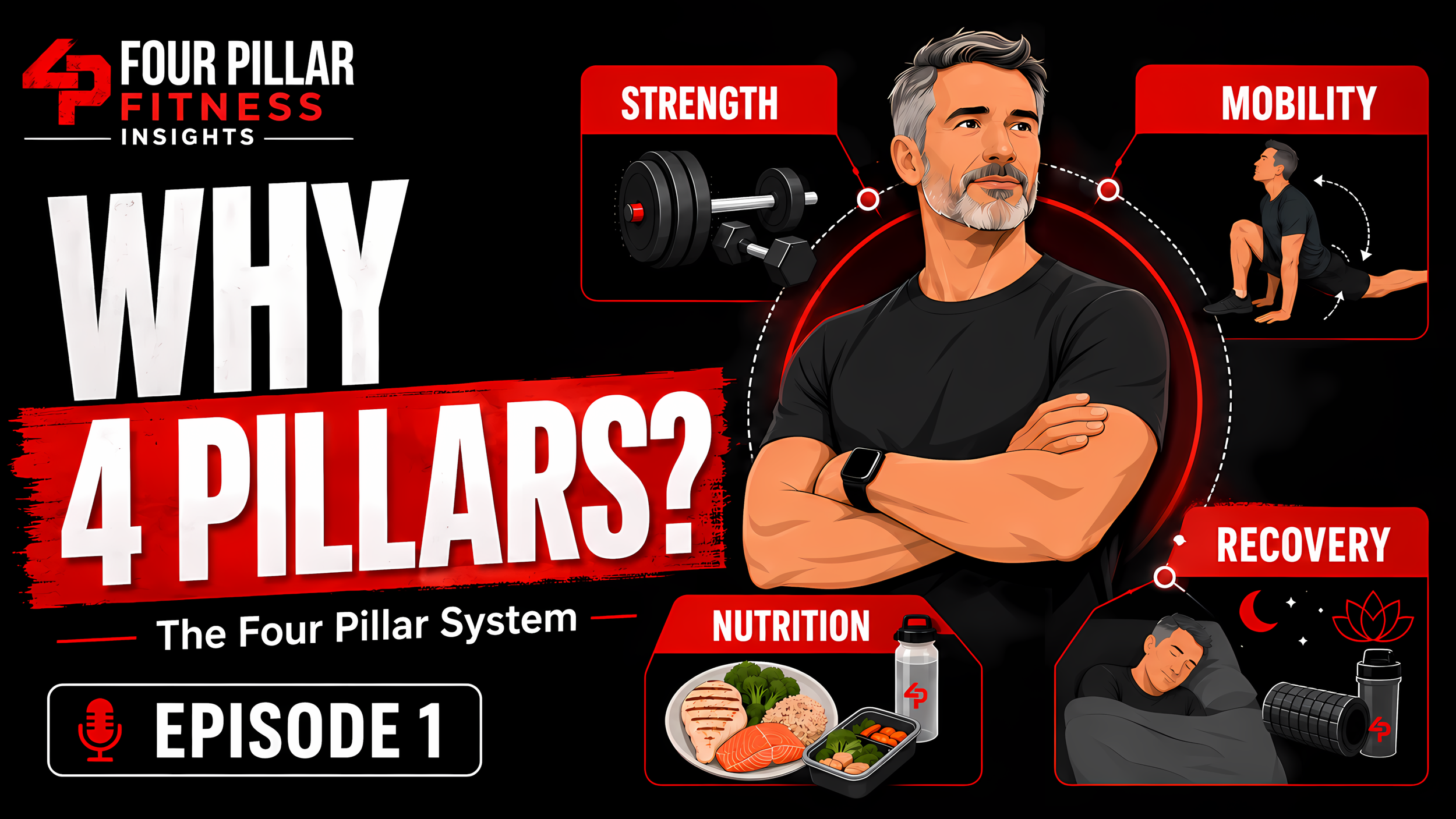
Four Pillar Fitness is built on one clear idea. Strength, Mobility, Nutrition, and Recovery work together to keep you strong and independent at every age. To dive deeper into each pillar visit 4PFitness.com.
References
Bergouignan, A., et al. “Effect of Frequent Interruptions of Prolonged Sitting on Self-Perceived Levels of Energy, Mood, Food Cravings and Cognitive Function.” International Journal of Behavioral Nutrition and Physical Activity, 2016.
Murphy, M. H., et al. “The Effects of Continuous Compared to Accumulated Exercise on Health: A Meta-Analytic Review.” Sports Medicine, 2019.
Stults-Kolehmainen, M. A., and Sinha, R. “The Effects of Stress on Physical Activity and Exercise.” Sports Medicine, 2014.
More Health & Fitness Insights…

Visit the 4P Fitness PRO Shop
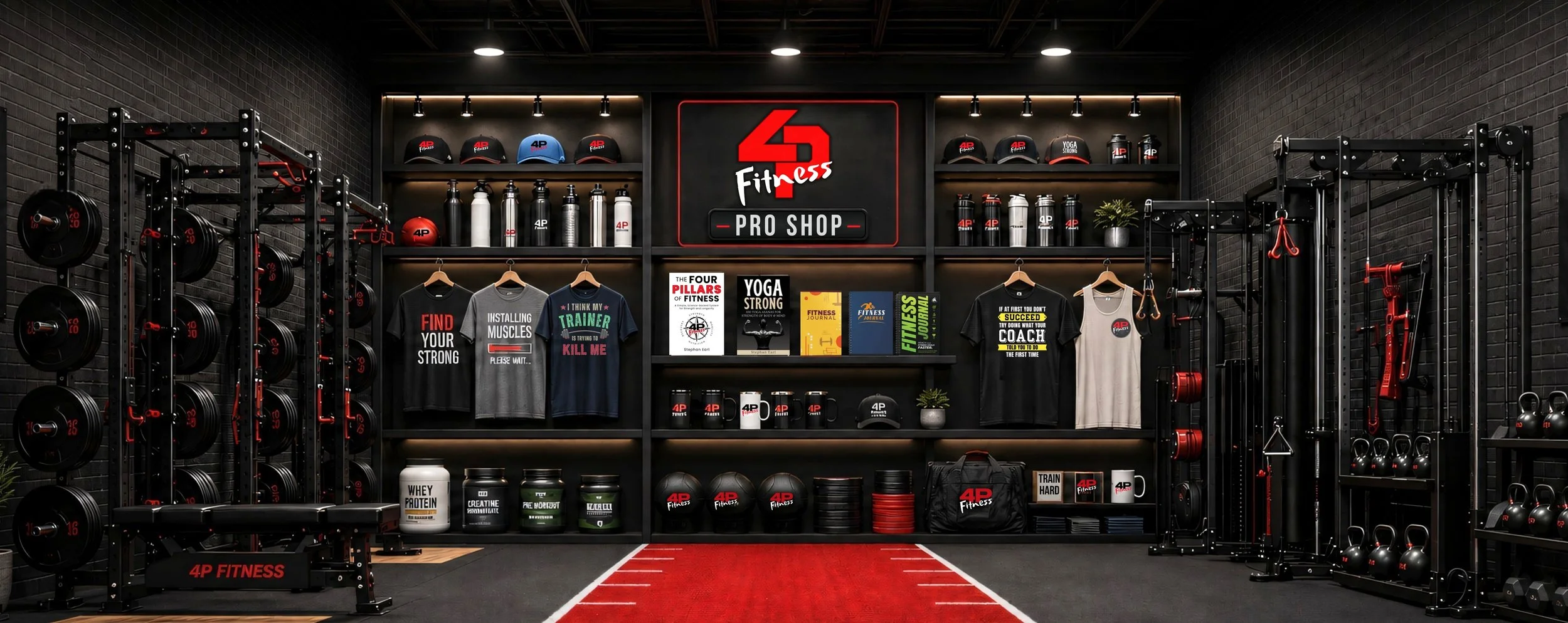
Gear up with fitness-inspired apparel, drinkware, journals, instant downloads, and a little gym and coach humor for the people who train hard, recover smart, and still know how to laugh between sets.
Shop the 4P Fitness Pro Shop and find something that fits your fitness life.

The 4P Fitness Pro Shop Gift Card is a simple, flexible gift for lifters, athletes, coaches, clients, and everyday warriors. Available from $25 to $200, it lets them choose apparel, drinkware, fitness gear, books, journals, or other 4P Fitness favorites. No sizing guesswork. No color worries. Just motivation they can pick for themselves.
Features
Available in denominations from $25 to $200
Redeemable toward eligible products in the 4P Fitness Pro Shop
Great for apparel, drinkware, fitness accessories, books, journals, and more
Perfect for athletes, gym lovers, coaches, clients, and fitness-minded friends
A flexible gift option for holidays, birthdays, milestones, and special occasions
No physical product required, making it easy to send and easy to use