

Gym Anxiety Is Real: How to Start Training Without Feeling Like Everyone Is Watching
The beginner-friendly guide to building confidence, learning the gym, and creating a routine that actually sticks.
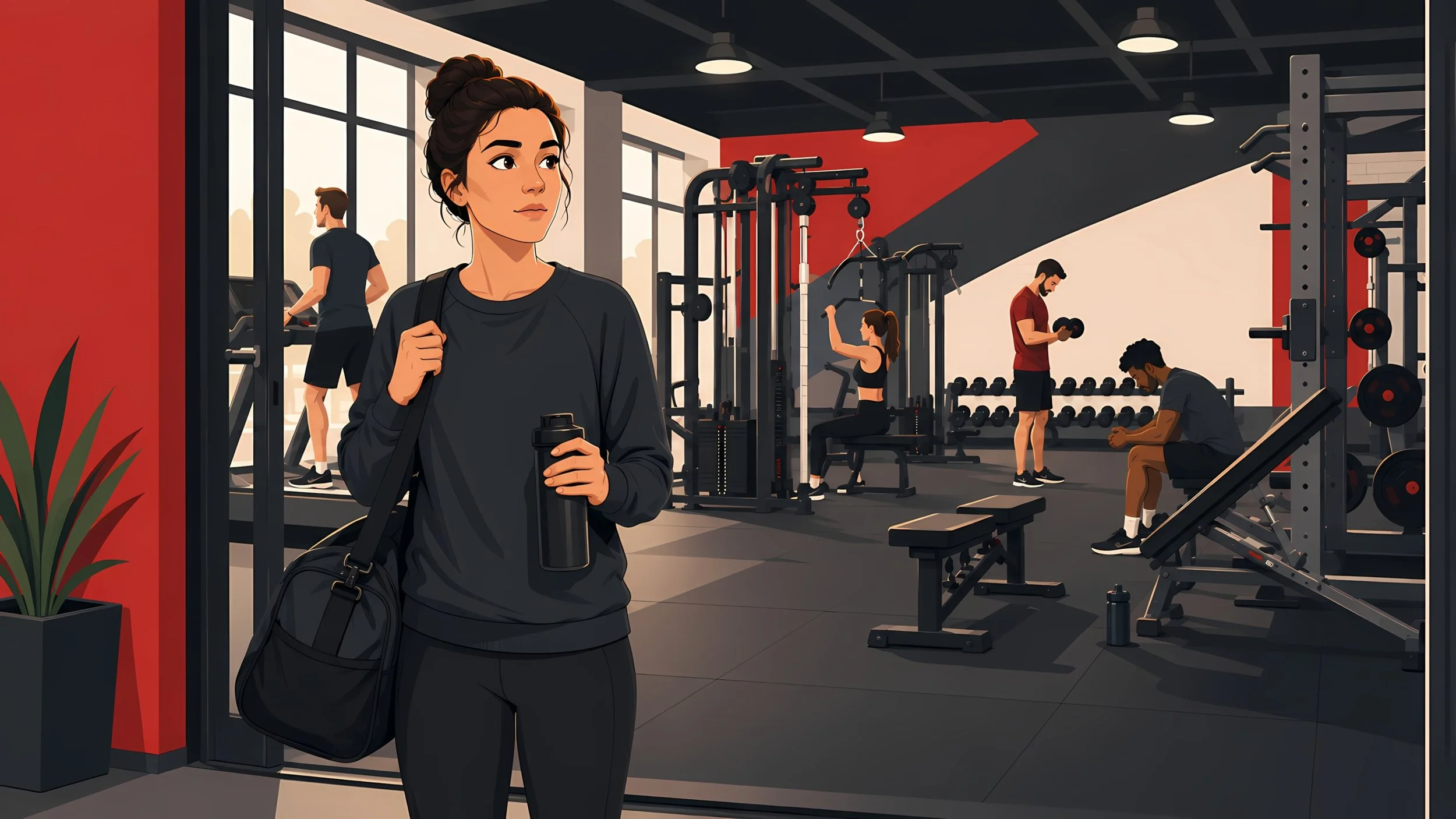
Walking into a gym for the first time, or the first time in a long time, can feel like stepping onto a stage you never auditioned for. The music is loud, the machines look confusing, the free weight area feels like its own country, and everyone seems to know what they’re doing. Then there you are, trying to adjust the seat on a machine without looking like you’re about to launch a spaceship.
That feeling has a name: gym anxiety. Some people call it gymtimidation. Some people feel judged because of their body. Some feel unsure because they don’t know how to use the equipment. Others are afraid of doing something wrong, taking up space, looking weak, or simply looking like a beginner. Being a beginner is not the problem. Staying stuck because you’re afraid to begin is the problem.
Why Gym Anxiety Happens
Gym anxiety usually comes from fear of being judged, lack of familiarity, social comparison, or a past experience that made the gym feel uncomfortable. If you don’t know where things are, how machines work, or what exercises to do, the gym can feel overwhelming before you even start. If you see someone lifting heavy or moving confidently, your own effort can suddenly feel small.
Research on gym intimidation and social physique anxiety suggests that some people avoid exercise spaces because of fear of scrutiny, body image concerns, and social comparison. The gym is not supposed to be a place that makes you feel smaller. It’s supposed to be a place where you build yourself up.
Most People Are Not Watching You
Most people in the gym are focused on themselves. They’re counting reps, checking their rest time, adjusting their headphones, or trying not to drop a dumbbell on their foot.
Are there judgmental people in gyms? Sure. There are judgmental people in grocery stores too. That doesn’t mean they get to own the space. Most fit people started exactly where you are. They remember the confusion, nerves, and awkward first workouts. Confidence comes from proving to yourself that you can show up, learn, and keep going.





Start With a Plan
One reason people feel anxious is because they walk into the gym without a plan. That’s like walking into a hardware store and saying, “I think I’ll build a house today.” No wonder it feels stressful. A simple plan removes a lot of anxiety because it gives you direction.
A beginner plan does not need to be complicated. Start with 5 to 10 minutes of warmup, 4 to 6 strength exercises, 1 to 3 sets per exercise, controlled movement, and a short cooldown. That’s enough. You don’t need a two-hour influencer workout or a complicated superset. Start simple. Simple builds confidence and consistency.
Use Machines First If You Need To
The free weight area gets a lot of attention, and for good reason. Dumbbells, barbells, cables, and kettlebells are powerful tools. But if they intimidate you at first, machines are a great place to begin. Machines give you structure, guide the movement, and help you learn what muscles you’re training without having to think about everything at once.
A simple machine-based workout might include a leg press, chest press, seated row, lat pulldown, hamstring curl, and a core exercise. Over time, you can add dumbbells, cables, bodyweight movements, and more complex exercises. You don’t have to start with the hardest version. You build skill one step at a time.
Make the Environment Easier
If the gym feels overwhelming, timing matters. Peak hours are usually early morning, after work, and early evening. If your schedule allows it, try going at a quieter time. This makes it easier to learn, practice form, and move around without feeling rushed. This is not avoidance. It’s strategy.
The same idea applies to what you wear. Choose clothes that let you move, breathe, and feel comfortable. You don’t need to look like you’re sponsored by a supplement company. You need clothing that lets you train without thinking about it every five seconds.
Focus on Process Goals
A big mistake beginners make is setting goals that are too outcome-heavy at the start. “I need to lose 30 pounds.” “I need visible abs.” “I need to look like I used to.” Those goals may be meaningful, but they can also make every workout feel like a test.
Instead, start with process goals. Tell yourself, “I will train twice this week,” “I will learn three machines,” or “I will do one full-body workout.” Process goals are powerful because they give you wins you can control. You may not control the scale this week, but you can control showing up and practicing the movement.
Strength Training Can Build More Than Muscle
Strength training is not just about changing how your body looks. It can change how you relate to your body. In the beginning, you’re learning that your body can still adapt, still get stronger, and still respond.
Exercise has been associated with better mental health outcomes, including improvements in anxiety symptoms for some people. That does not mean the gym is a replacement for therapy, medical care, or professional mental health support. But movement can be part of a strong mental health routine, and strength training can become proof that you can learn, follow through, and belong in the room.
A Simple Beginner Gym Confidence Plan
During week one, make familiarity the goal. Go to the gym twice, walk around, learn the layout, do one short workout, try three machines, and leave before you feel overwhelmed. During week two, do two full-body workouts and use the same exercises both times. Keep the weights light to moderate and write down what you did.
During week three, begin to progress by adding one set, a little weight, or one new movement. During week four, take ownership. Now you’re not just visiting the gym. You’re building a routine.
Don’t Be Afraid to Ask for Help
Getting help in the beginning can save you a lot of frustration. A good coach or trainer can show you how to use the equipment, teach proper form, help you understand how hard you should be working, and give you a plan that fits your current fitness level. That support can make the gym feel less confusing and more familiar.
You don’t need to work with a trainer forever. Even a few weeks or a few months can help you build confidence, learn the basics, and avoid the common mistake of doing random workouts with no real direction. The goal is not dependency. The goal is education. Once you understand the movements, the machines, and the structure of a good workout, the gym starts to feel less like unfamiliar territory and more like a place where you belong.
In Conclusion
Gym anxiety makes people feel like they need to be fit before they enter the gym. That’s backwards. The gym is one place where you build fitness. You don’t need to arrive already confident. You build confidence by showing up nervous and doing the work anyway.
Start with a plan. Go during quieter hours. Use machines if that helps. Set process goals. Repeat simple workouts. Ask for help when you need it. Fuel your body. Recover enough to come back. Nobody starts with confidence. Confidence is built through reps, just like strength.
Have you ever felt gym anxiety or felt unsure walking into a gym? What helped you get more comfortable? Leave a comment below.
Stephan Earl is a NASM Certified Personal Trainer, Nutrition Coach, and Corrective Exercise Specialist dedicated to helping people build lasting strength and mobility at every age. With a focus on practical, sustainable fitness, he combines science-based training with mindful movement and nutrition.
He's the author of Yoga Strong: 100 Asanas for Strength of Body and Mind and the forthcoming book The Four Pillars of Fitness: A Simple, Science-Backed System For Strength and Longevity, which explores how to stay strong, flexible, and energized for life. His mission is to help others move better, feel better, and live fully at every stage of their fitness journey.
Learn More
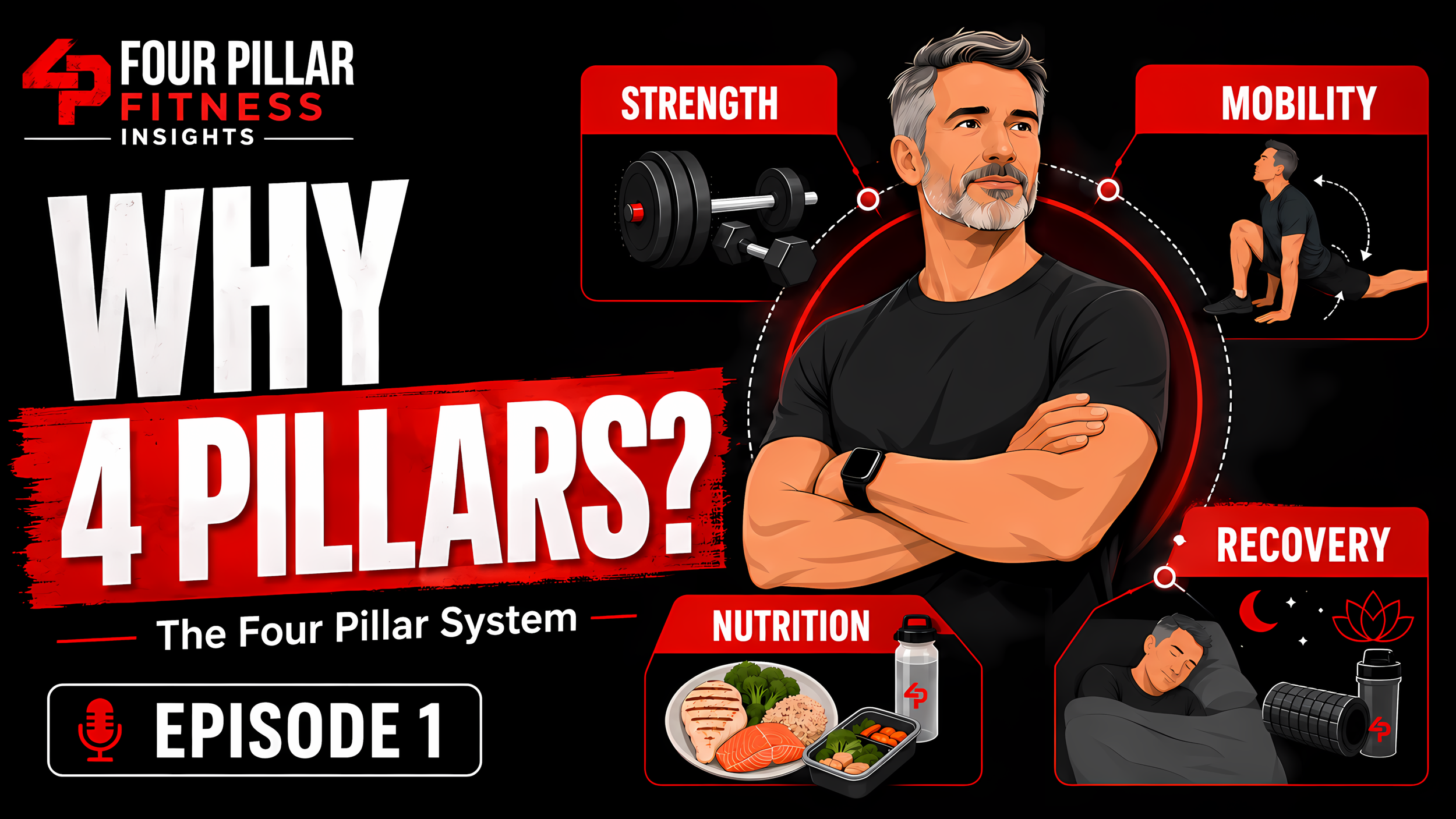
Four Pillar Fitness is built on one clear idea. Strength, Mobility, Nutrition, and Recovery work together to keep you strong and independent at every age. To dive deeper into each pillar visit 4PFitness.com.
References
Cleveland Clinic. “Gymtimidation: How To Push Through Gym Anxiety.”
Frontiers in Sports and Active Living. “Understanding Social Gym Intimidation and Anxiety Using the Social Identity Approach.”
National Institutes of Health / PMC. “Social Physique Anxiety and Physical Activity.”
National Institutes of Health / PMC. “Physical Activity and Depression and Anxiety Disorders.”
MedlinePlus. “Exercise and Physical Fitness.”
More Health & Fitness Insights…
Visit the 4P Fitness PRO Shop
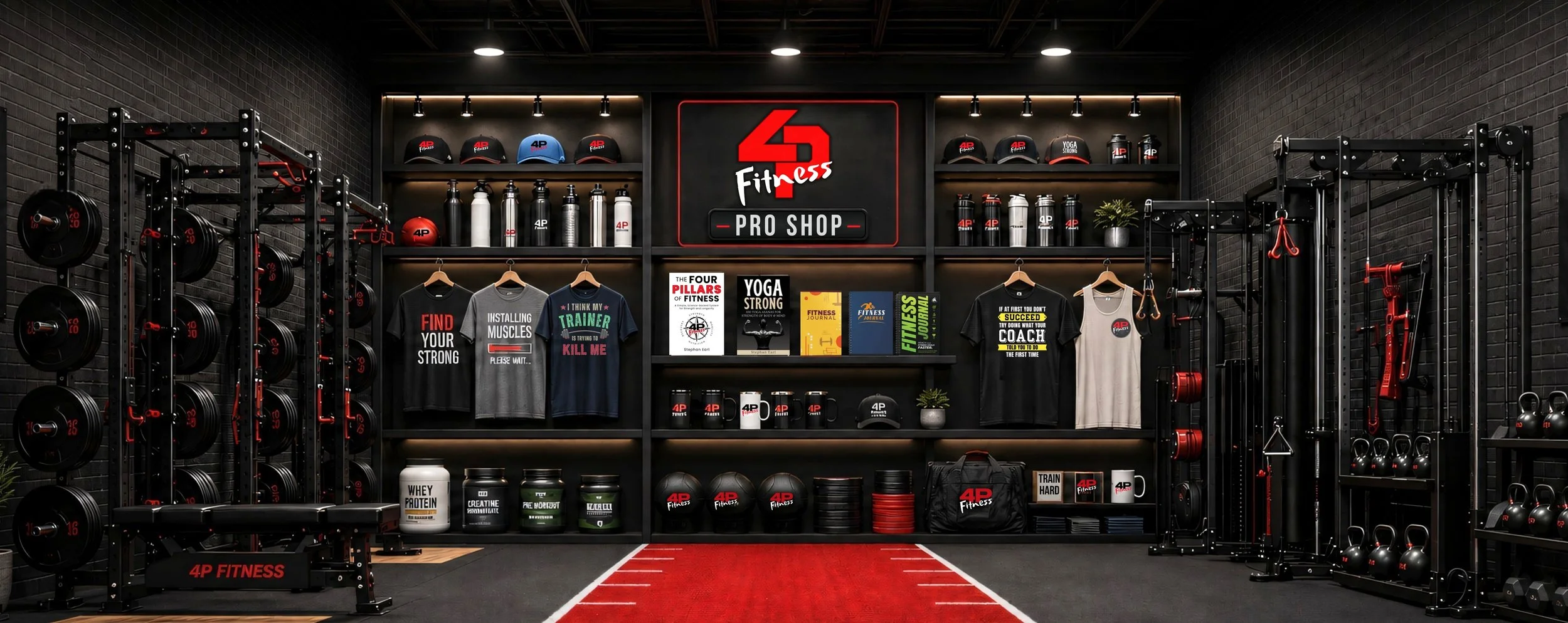
Gear up with fitness-inspired apparel, drinkware, journals, instant downloads, and a little gym and coach humor for the people who train hard, recover smart, and still know how to laugh between sets.
Shop the 4P Fitness Pro Shop and find something that fits your fitness life.

The 4P Fitness Pro Shop Gift Card is a simple, flexible gift for lifters, athletes, coaches, clients, and everyday warriors. Available from $25 to $200, it lets them choose apparel, drinkware, fitness gear, books, journals, or other 4P Fitness favorites. No sizing guesswork. No color worries. Just motivation they can pick for themselves.
Features
Available in denominations from $25 to $200
Redeemable toward eligible products in the 4P Fitness Pro Shop
Great for apparel, drinkware, fitness accessories, books, journals, and more
Perfect for athletes, gym lovers, coaches, clients, and fitness-minded friends
A flexible gift option for holidays, birthdays, milestones, and special occasions
No physical product required, making it easy to send and easy to use