

The Rise of HYROX and the Hybrid Athlete: Real Science or Just Another Fad?
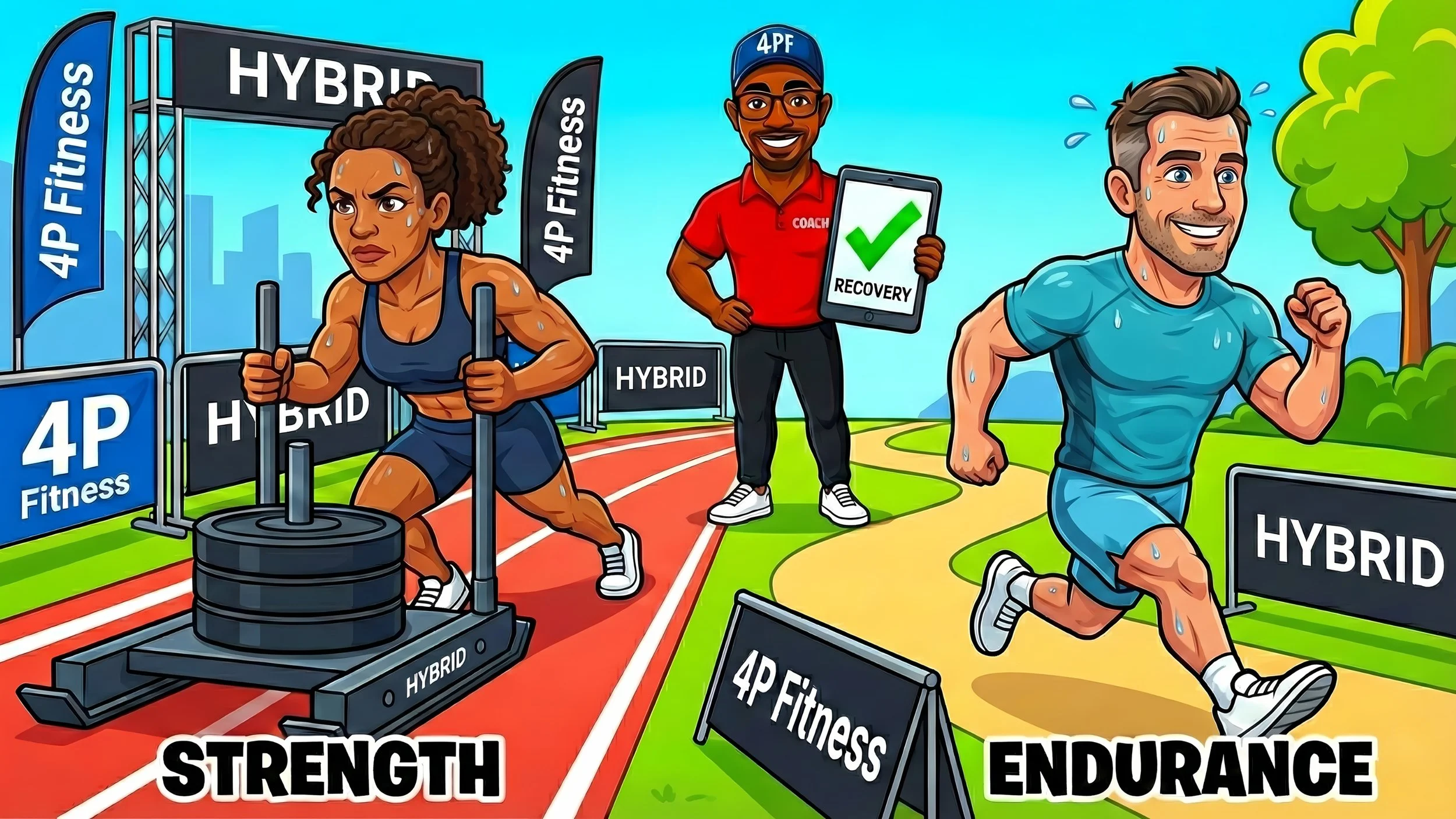
If you've been on social media lately, you've probably seen a lot of noise about being a "Hybrid Athlete." You might've even seen videos of massive crowds in dark warehouses doing crazy workouts at events called HYROX. It looks like a giant mix of a track meet and a weightlifting contest. But is this actually something new? Or is it just another fitness trend that'll disappear in a few years once the hype dies down?
We've Been Here Before
I'll be honest with you. I can be a bit of a cynic when I see "new" things in the fitness world. We've seen trends come and go before. Remember the early days of HIIT (High-Intensity Interval Training)? It promised that ten minutes of hard work was all you'd ever need to get shredded. Then came CrossFit, which turned working out into a high-speed sport where everyone was trying to beat the clock.
Both of those were great for some things, but they often led to people getting burned out, exhausted, or even hurt. That's because those trends were usually all about "more intensity" and "going harder" every single day. The "sweat and puke" culture of those gyms wasn't built for the long haul. Hybrid training can look like those old trends at first glance, but the goal is actually very different. It's not about how fast you can go until you break. It's about how well you can perform over a lifetime.
How Hybrid is Different
The hybrid approach isn't about doing everything at 100 percent speed until you collapse on the floor. It's actually about balance. In the past, people thought you had to pick a side. You were either a "strength person" who stayed in the weight room or a "cardio person" who lived on the treadmill. If you lifted weights, you were terrified that running would "kill your gains" and melt your muscle away. If you ran marathons, you were afraid that lifting heavy would make you too bulky and slow.
The science of "Concurrent Training" shows us that we can actually do both at the same time. In fact, doing both makes you a more complete human. When you train both ways, your strength training helps your heart pump more blood with less effort. At the same time, your cardio work helps your muscles recover faster between sets of lifting. It's not about being the world champion at one tiny thing. It's about being good at everything so you can stay strong and healthy for decades.
The Four Pillars in Action
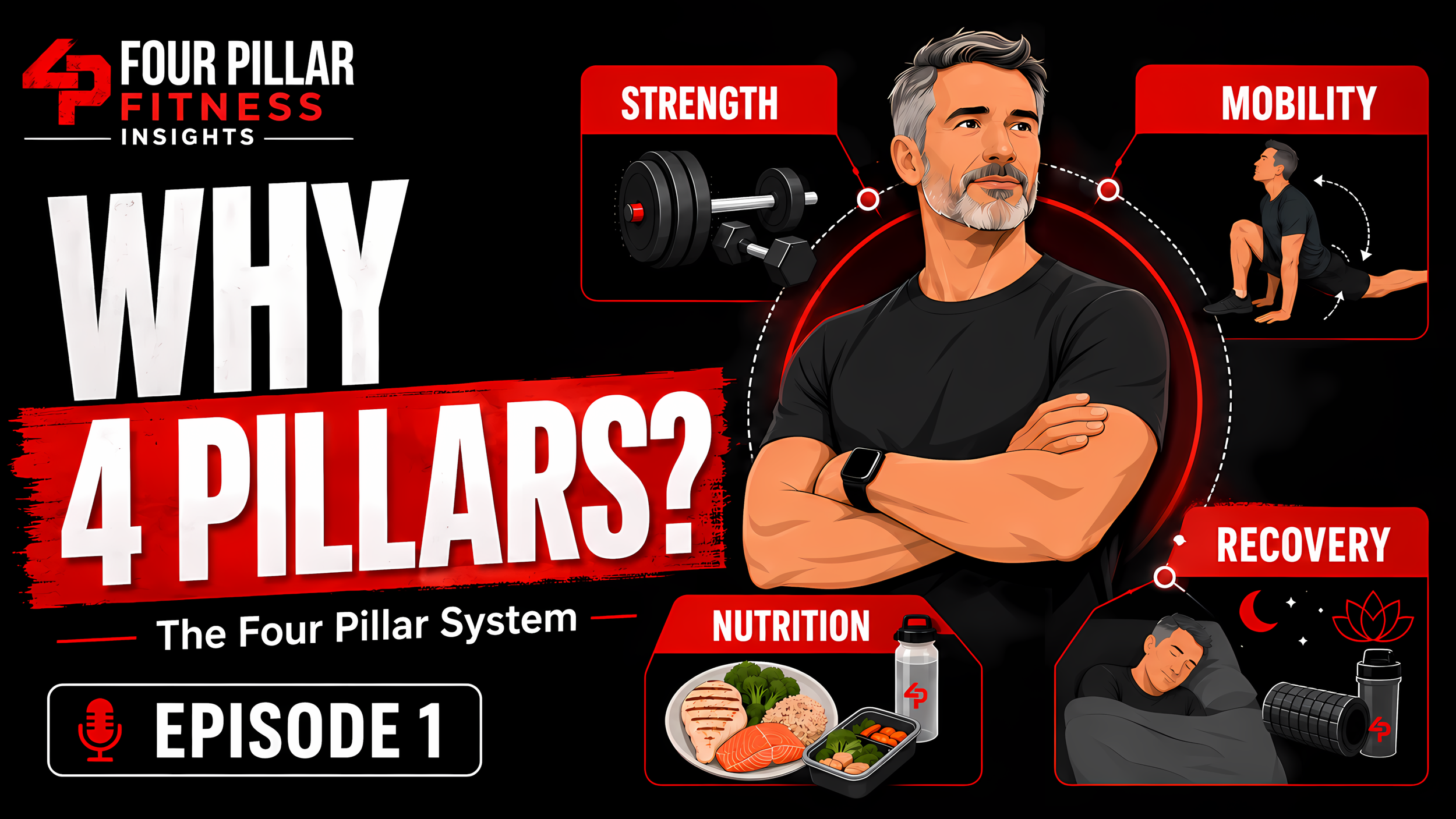
At 4P Fitness, we look at this hybrid world through our four pillars. Each one has to be strong for the whole system to work:
Strength: We lift heavy things to make our bones and muscles solid. This actually makes you a better runner! When your muscles are strong, your body becomes more efficient. It's like putting a bigger engine in a car so it doesn't have to work as hard to go 60 miles per hour. This "running economy" means you can go further without getting tired.
Mobility: We don't just want big muscles that are stiff as a board. We want muscles and joints that move through their full range of motion. Think of it like WD-40 for your body. This is what prevents the injuries that happened so often in older trends like HIIT. If your hips and ankles move well, you can run and lift without grinding your joints down.
Nutrition: You can't fuel a high-performance hybrid engine with junk food. You need a smart mix of protein to fix your muscles after a lift and carbs to give you "go-juice" for your runs. It's about giving your body exactly what it needs for the job it's doing that day.
Recovery: This is the most important part of the whole plan. Hybrid athletes use science to know when to hit the brakes. We track things like sleep and heart rate to see if the body is actually ready for a hard day. If you don't recover, you don't get stronger. You just get tired. This is the "secret sauce" that keeps hybrid athletes from burning out like the HIIT crowds did.
It's Not Rocket Science
The reason HYROX is blowing up is because it tests all these things in one big race. It was actually created back in 2017 over in Germany by Christian Toetzke, Moritz Fürste, and Michael Trautmann. They wanted to create a "world series of fitness" that was open to everyone. In the race, you run a kilometer, then you do a strength move like pushing a heavy sled, and you repeat that eight times. It's a tough test, but it's based on how our bodies are actually built to move in the real world. We're designed to walk, run, carry things, and push things.
Your path to strength and longevity should involve science, but it doesn't have to be rocket science. You don't need a 100-page manual or a complicated math formula to be fit. You just need to move your body, lift some heavy stuff, eat real food, and get some sleep. That's the hybrid way. It's about building a body that lasts.
Do you think the hybrid athlete trend will stay popular for a long time, or do you think it's just another version of CrossFit? Let me know what you think and leave a comment below.

Stephan Earl is a NASM Certified Personal Trainer, Nutrition Coach, and Corrective Exercise Specialist dedicated to helping people build lasting strength and mobility at every age. With a focus on practical, sustainable fitness, he combines science-based training with mindful movement and nutrition.
He's the author of Yoga Strong: 100 Asanas for Strength of Body and Mind and the forthcoming book The Four Pillars of Fitness: A Simple, Science-Backed System For Strength and Longevity, which explores how to stay strong, flexible, and energized for life. His mission is to help others move better, feel better, and live fully at every stage of their fitness journey.
Learn More
Four Pillar Fitness is built on one clear idea. Strength, Mobility, Nutrition, and Recovery work together to keep you strong and independent at every age. To dive deeper into each pillar visit 4PFitness.com.
References
Wilson, J. M., et al. (2012). Concurrent training: A meta-analysis examining interference of aerobic and resistance exercises. Journal of Strength and Conditioning Research.
Sabag, A., et al. (2018). The compatibility of concurrent high intensity interval training and resistance training for muscular strength and hypertrophy. National Library of Medicine.
Paavolainen, L., et al. (1999). Explosive-strength training improves 5-km running time by improving running economy and muscle power. Journal of Applied Physiology.
Kerksick, C. M., et al. (2018). ISSN exercise & sports nutrition review update: research & recommendations. Journal of the International Society of Sports Nutrition.
Gear up with fitness-inspired apparel, drinkware, journals, instant downloads, and a little gym and coach humor for the people who train hard, recover smart, and still know how to laugh between sets.
Shop the 4P Fitness Pro Shop and find something that fits your fitness life.
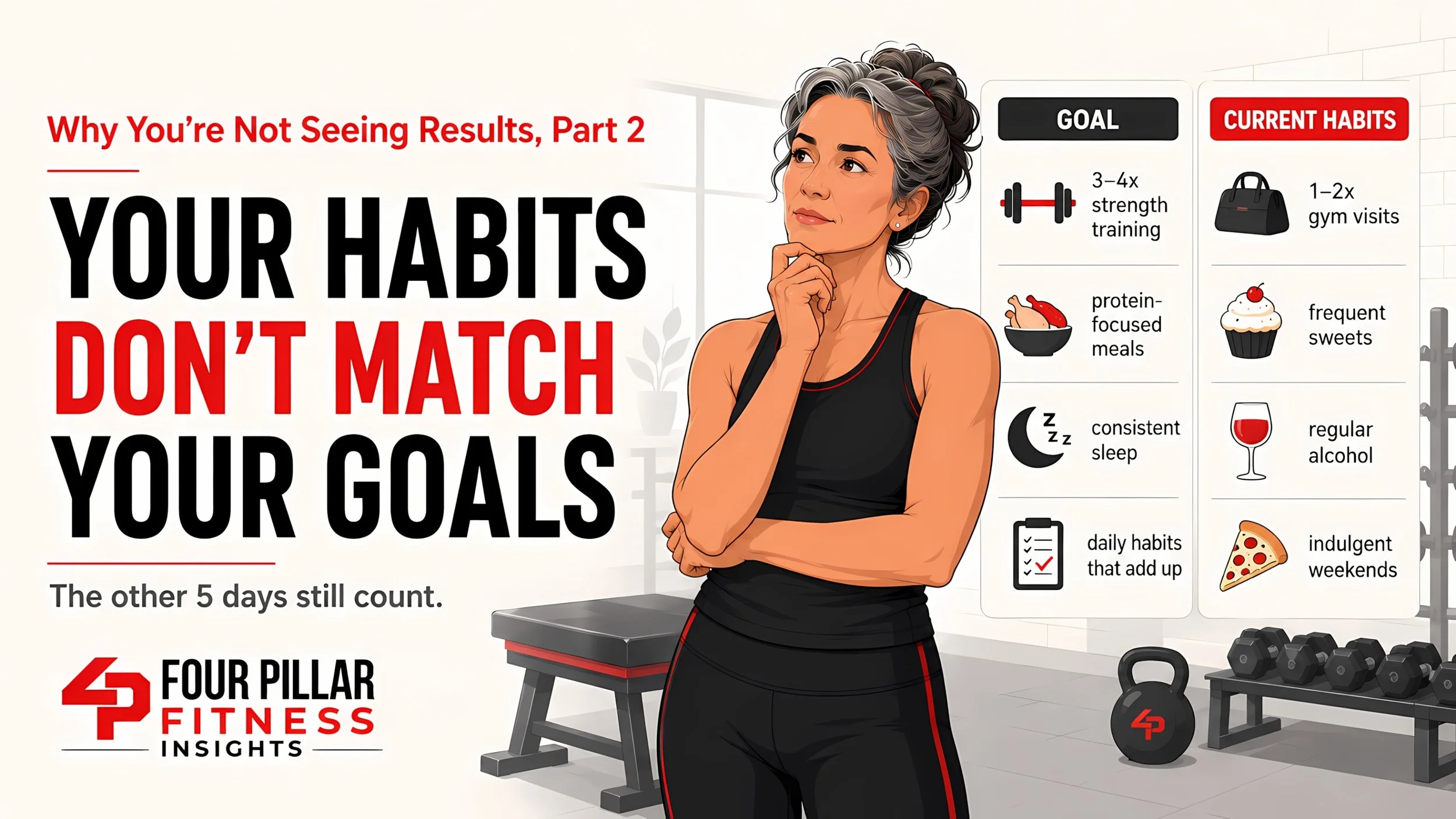
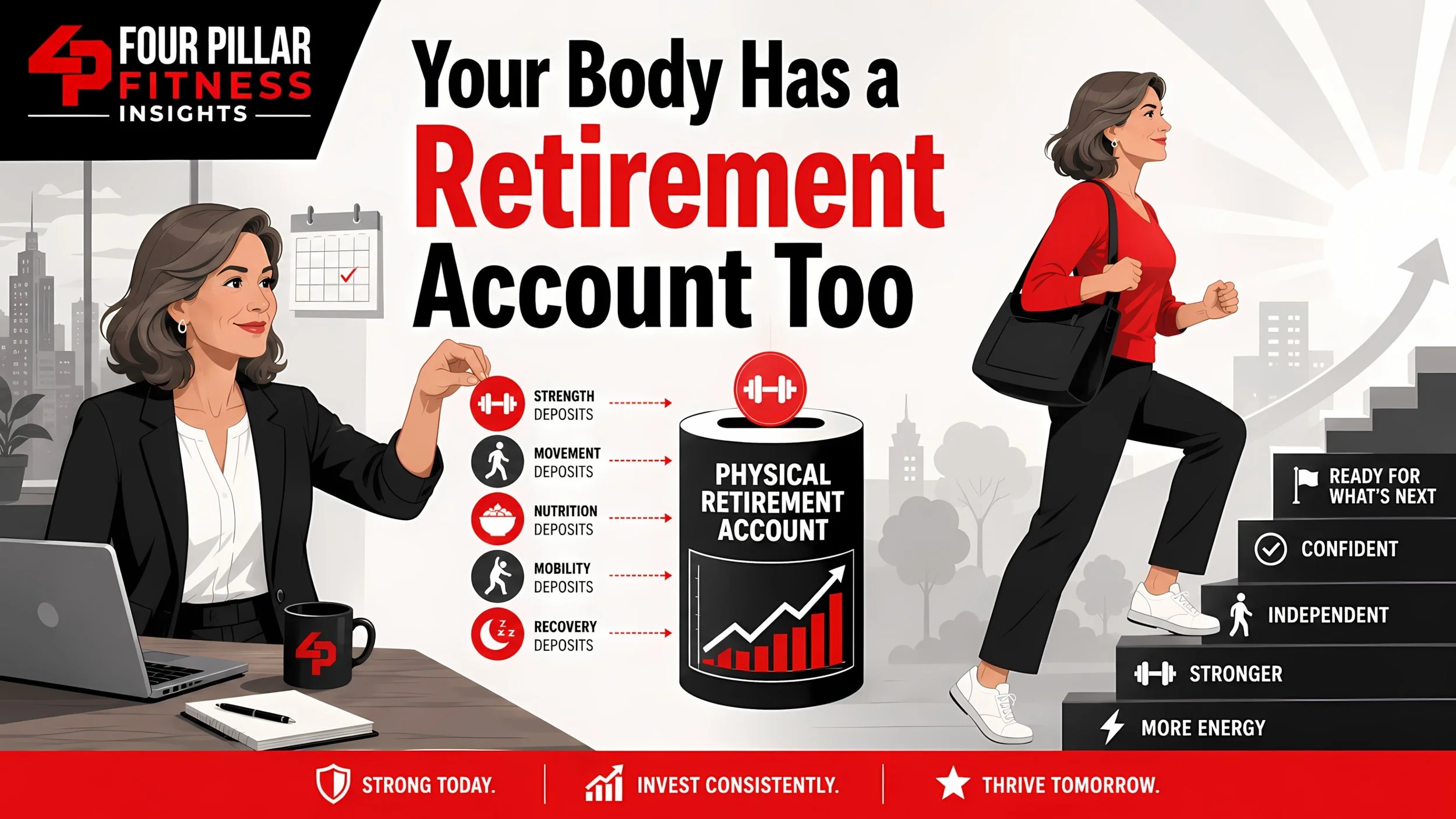
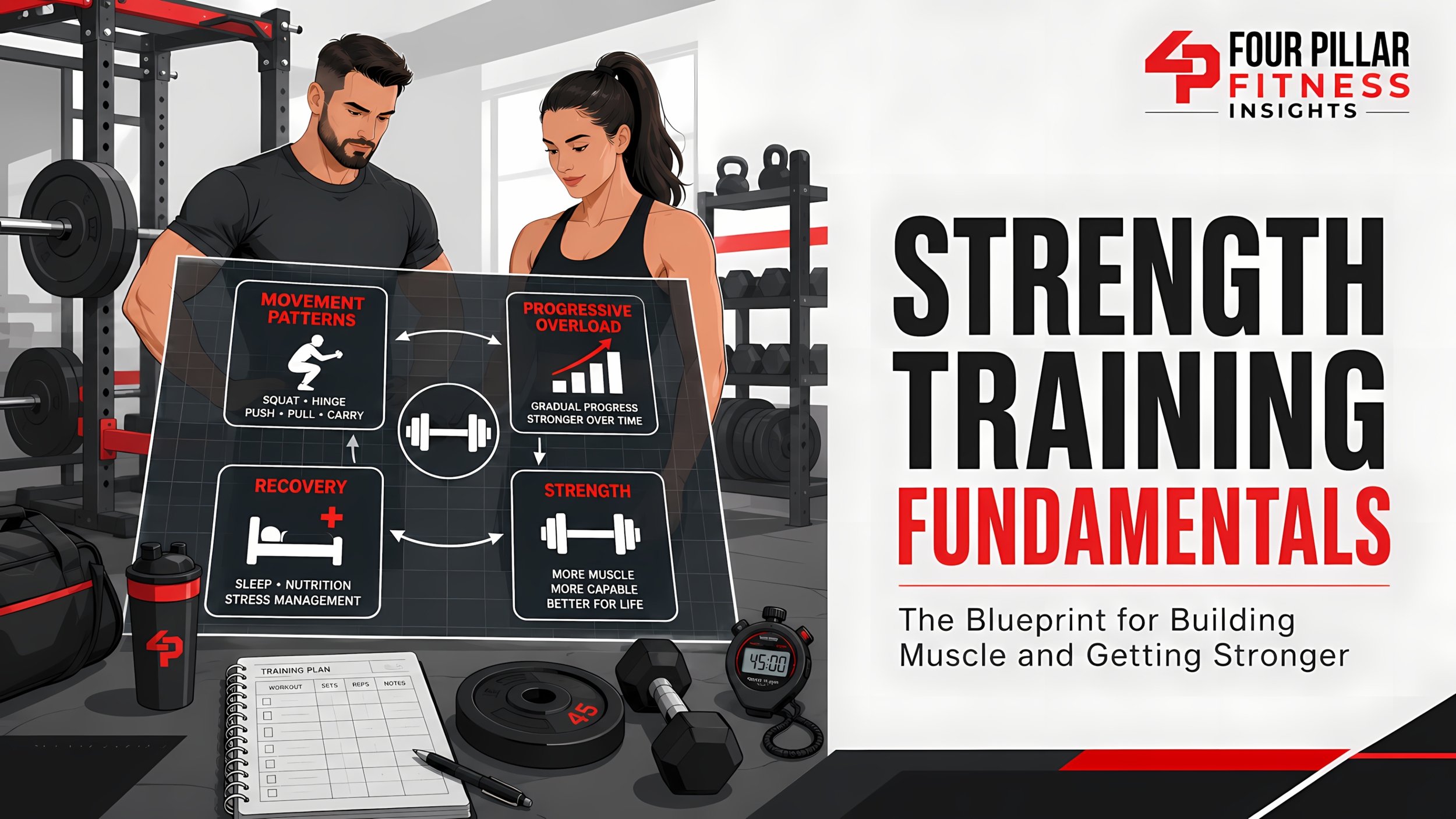
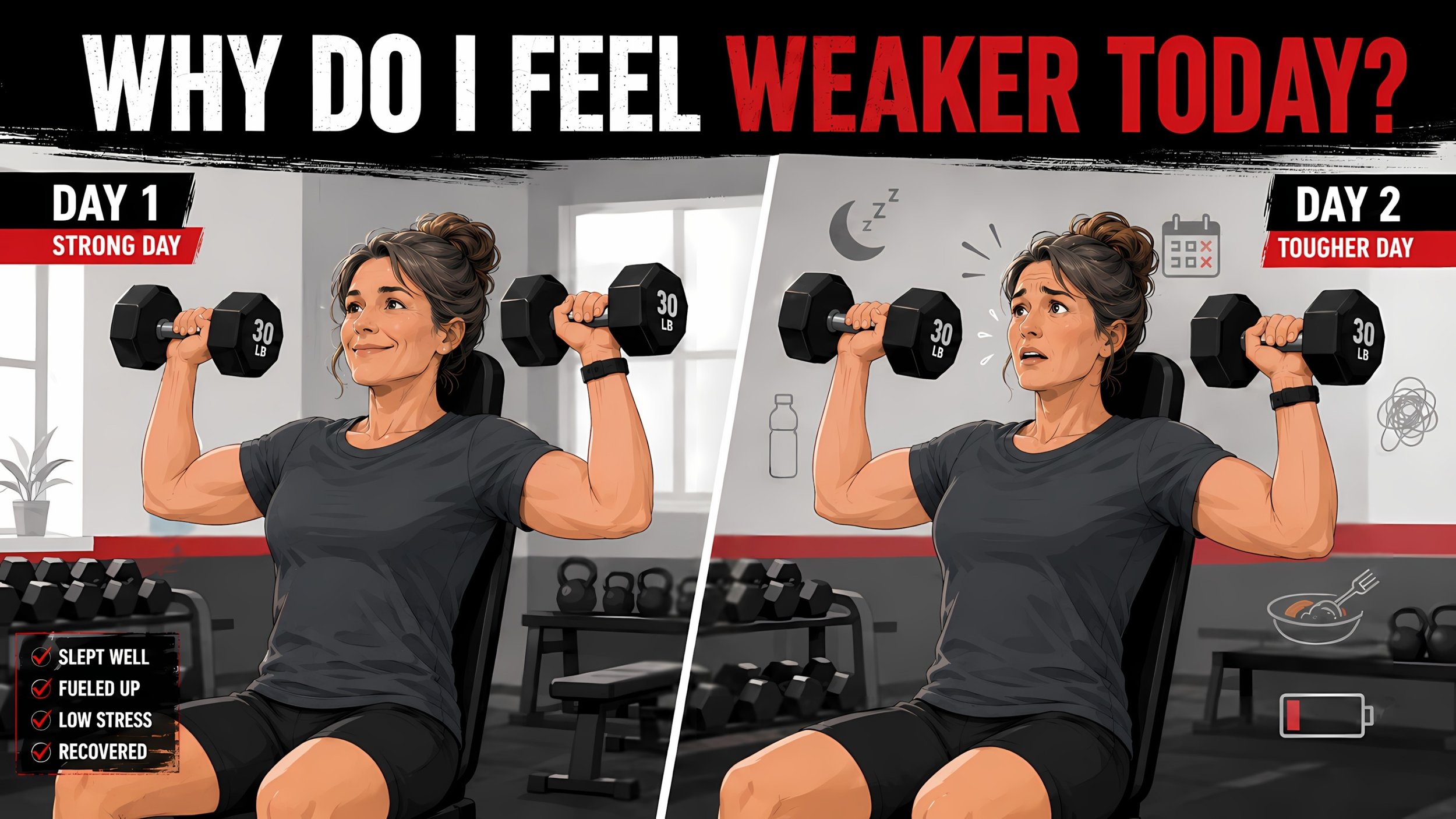
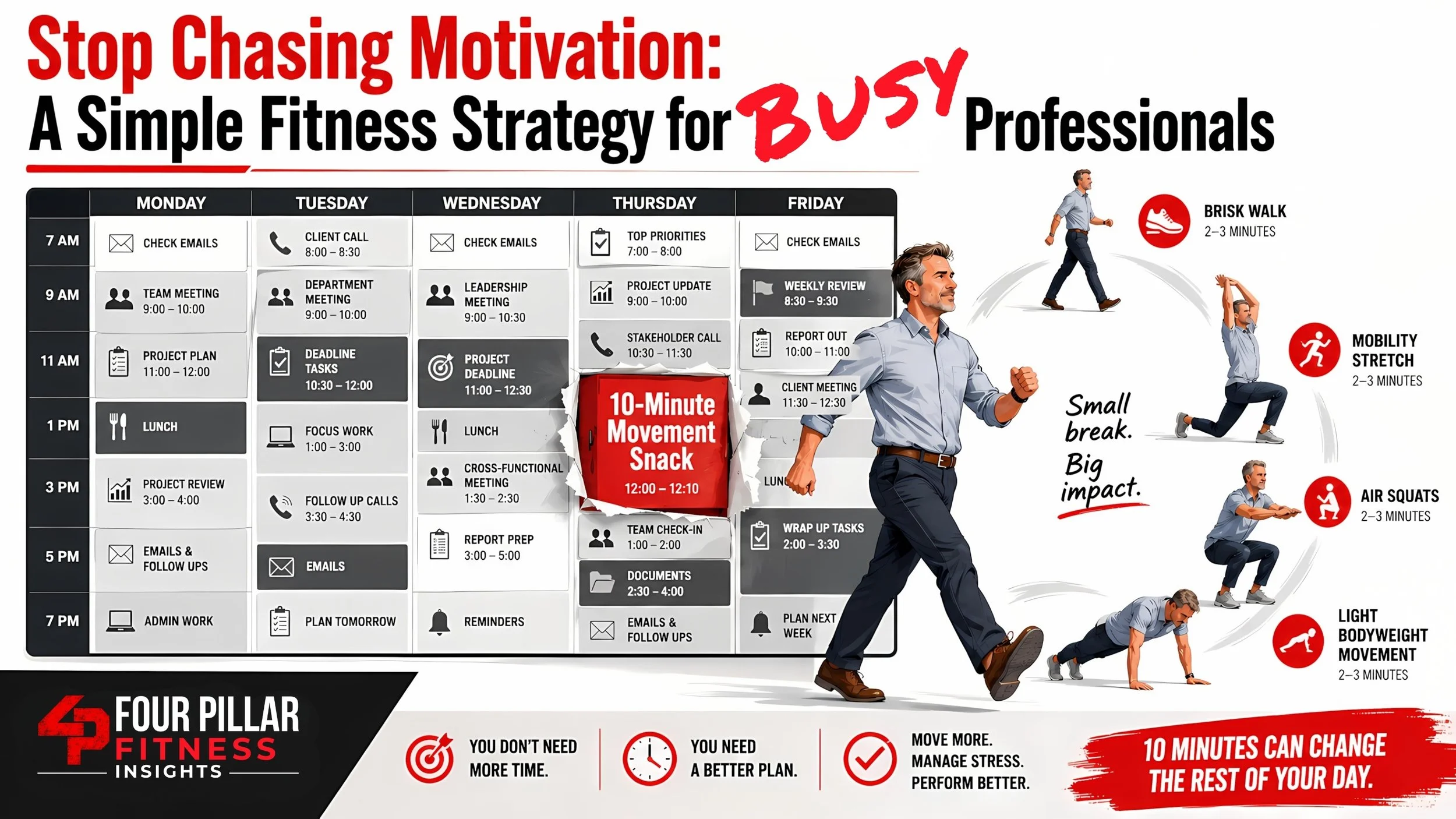
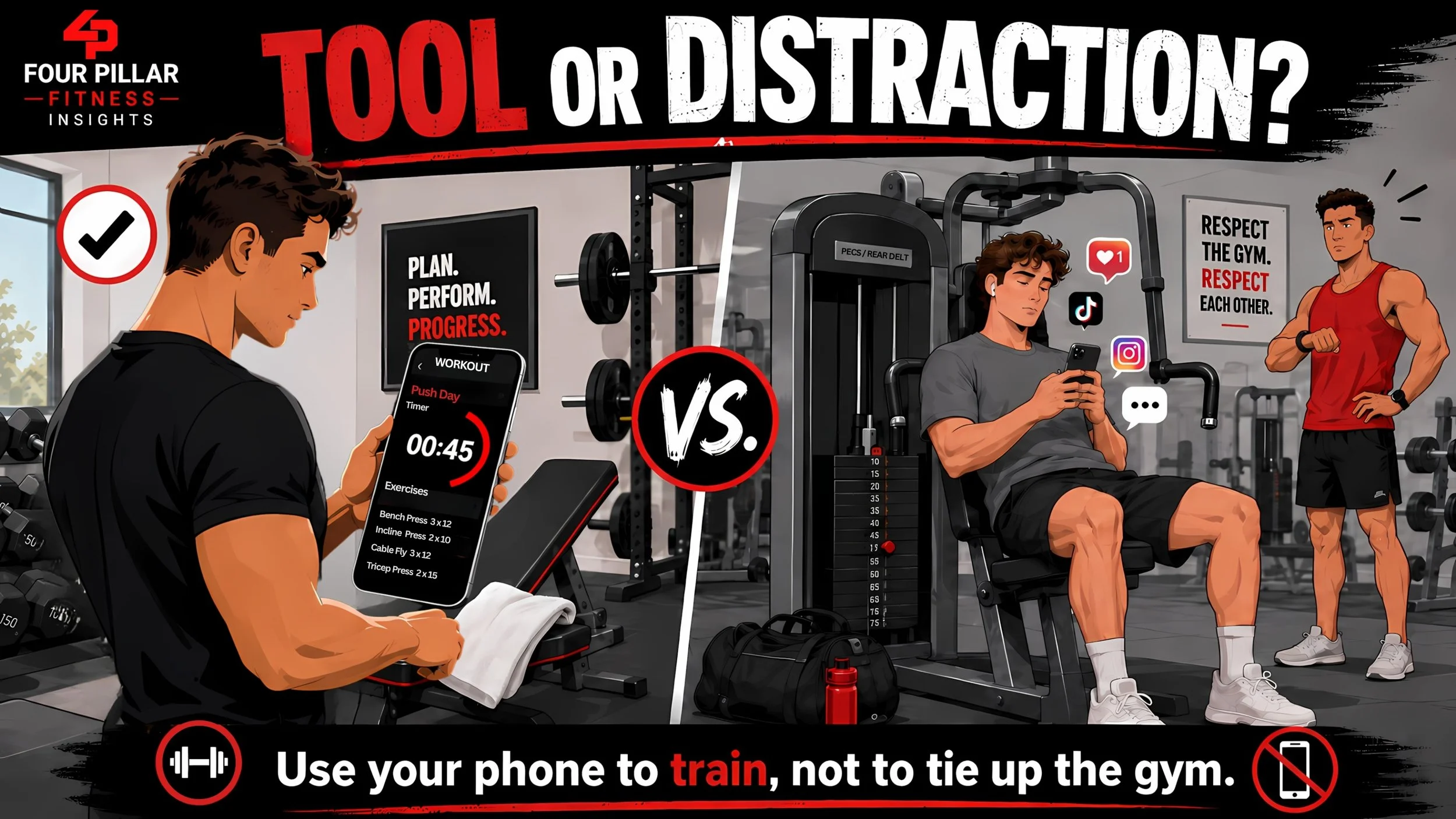

Can you build muscle and lose fat after 50? Yes, but the process depends on more than training hard or eating more. Learn how calorie intake, protein, alcohol, recovery, training history, body recomposition, smart-scale readings, and realistic timelines affect muscle gain and fat loss as you get older.