

Creatine: It Is Not Just for Your Muscles Anymore
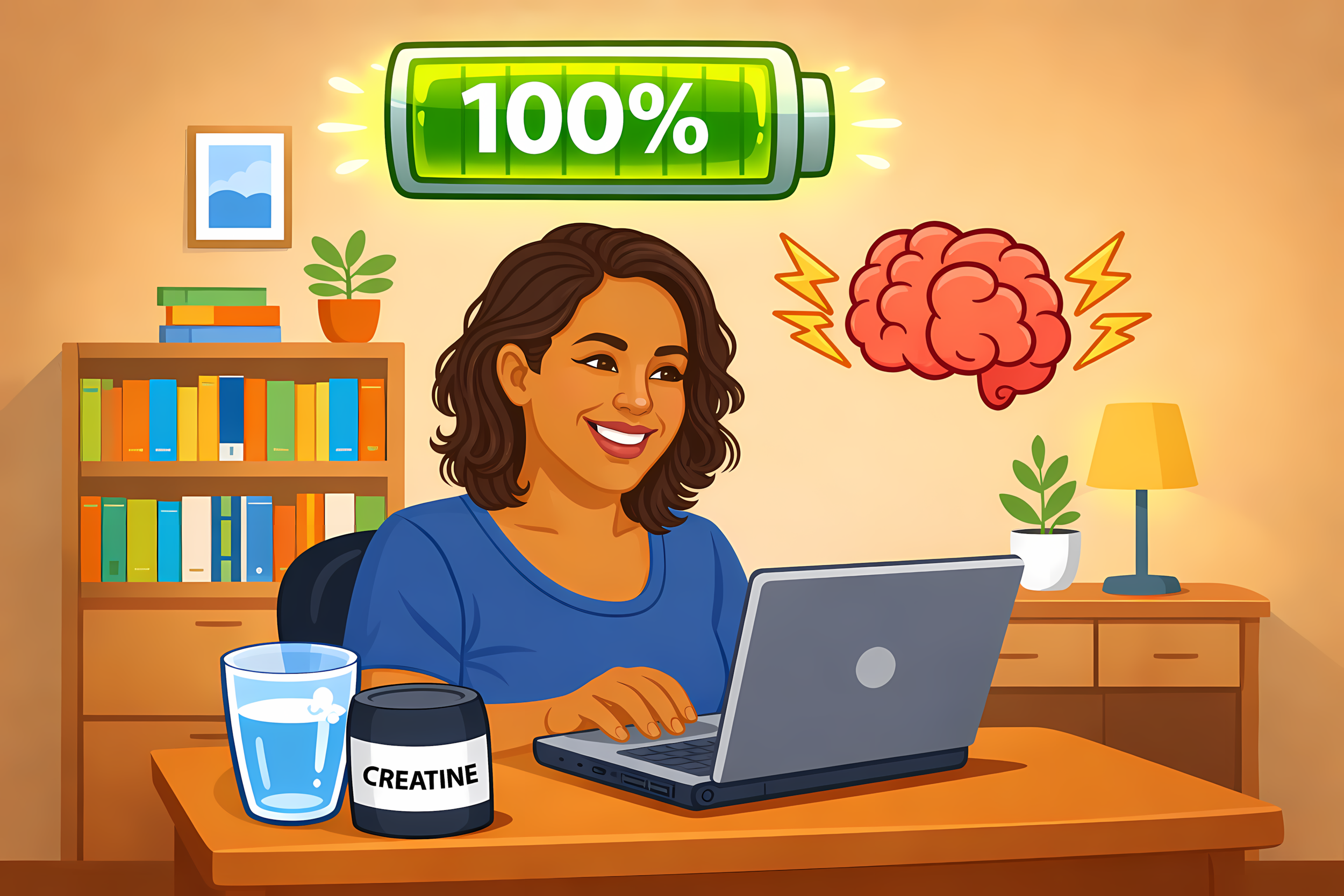
When you hear the word "creatine," you probably think of a gym rat in a tank top trying to get huge biceps. For a long time, that was the only reason people used it. But as a trainer and nutrition coach, I’m seeing a big shift in the questions I get. People are now asking me about "creatine for focus" and "creatine for brain health."
It turns out that your brain needs a ton of energy to keep you moving and thinking. Your brain is a bit of an energy hog. Even though it is small, it uses up about 20% of your body's total calories every single day. Creatine helps your body create something called ATP. Think of ATP as the "energy currency" or the fuel that every cell in your body spends to do work. When your brain has a full tank of this fuel, it can work much better.
Why Your Brain Loves Creatine
Science shows us that creatine acts like a backup battery for your brain. If you're doing something mentally hard, your brain's energy levels can start to drop. This happens during a long day at the office, a tough study session, or even when you're stressed. Creatine helps keep those energy levels steady so you don't feel "drained" halfway through the day.
Studies have shown that taking creatine can help in several ways:
Memory: It helps you remember things more clearly. This is great for everyday tasks like remembering where you put your keys or recalling names during a meeting. It’s especially helpful as you get older and want to stay sharp.
Mental Fatigue: Have you ever felt like your brain was "fried" after a long day? That is mental fatigue. Creatine helps you stay sharp and alert even when you are tired or haven't had enough sleep.
Focus: It supports your ability to "lock in" on one task at a time. Whether you’re writing a report or trying to learn a new skill, having that extra energy helps you stay on track without getting distracted.
How Much Should You Take?
For building muscle, five grams a day is usually the "magic number." But when we talk about the brain, things are a little different. The brain is harder to reach than your muscles. Because of this, some scientists suggest that you might need more than the standard dose to see the best cognitive results.
Studies often look at doses ranging from five grams all the way up to fifteen or twenty grams. However, you should not take twenty grams all at once. If you dump that much into your stomach at one time, you will likely end up running for the bathroom. The best way to do it is to take smaller doses, like five grams at a time, and spread them out across your day. This helps your body absorb it better and keeps your energy levels steady.
Don't Forget the Water
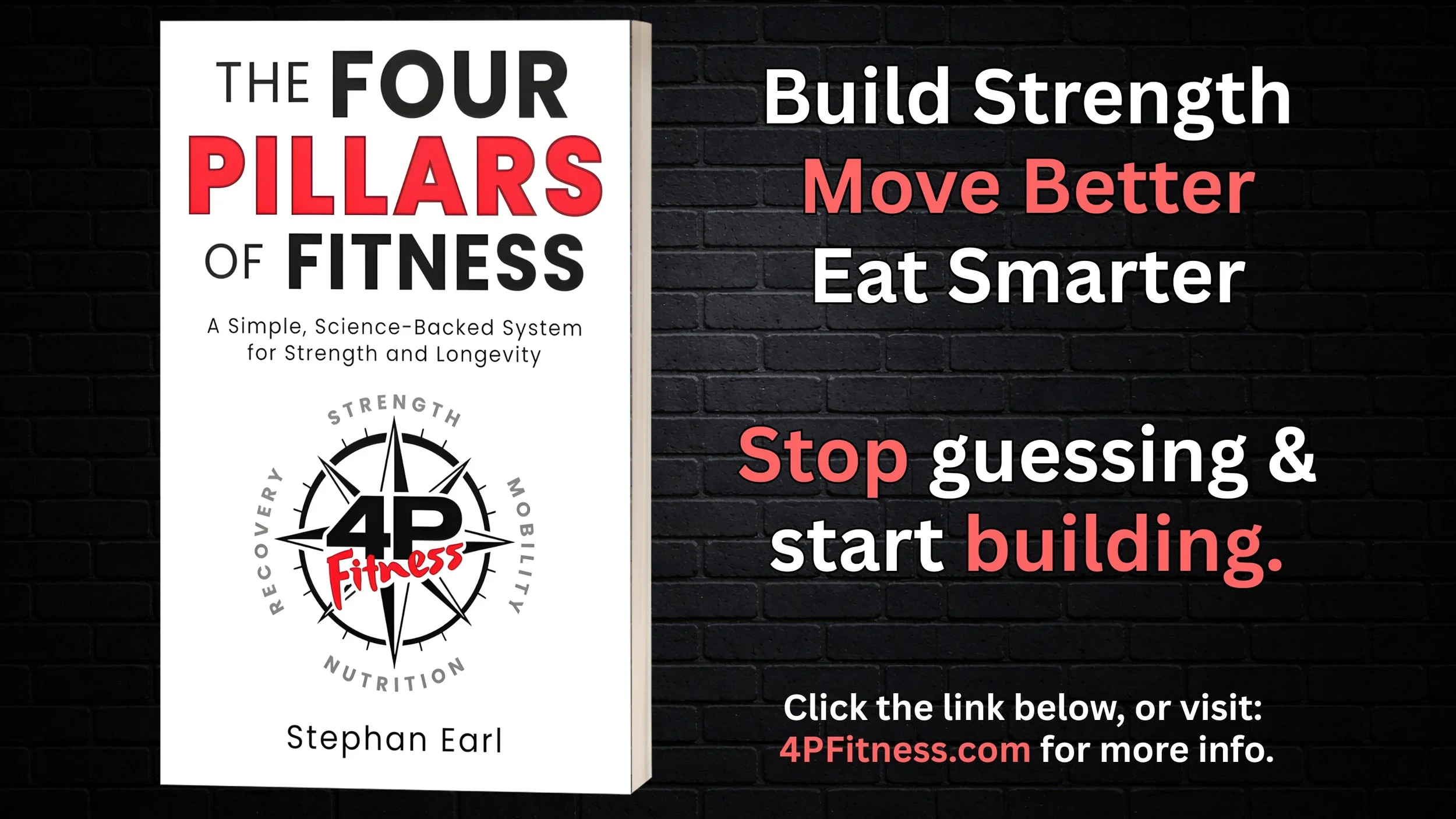
If you start taking creatine, you must drink more water. Creatine is what scientists call "osmotic." This means it acts like a tiny sponge that pulls water into your cells. This is a good thing for your brain and muscle cells, but it means there is less water for the rest of your body.
If you don't drink enough water, you might get a headache or a cramp. A good rule is to mix your creatine in a large glass of water and keep a water bottle with you throughout the day. When you help the creatine get into your system with plenty of fluids, it can do its job much better.
Is It Safe?
Creatine is one of the most researched supplements in the entire world. For most healthy people, it’s completely safe and easy to use. However, you should always talk to your medical doctor before you start taking it. This is especially true if you are taking any medications or if you have any history of kidney issues.
While creatine doesn't cause kidney problems in healthy people, your kidneys are responsible for processing it. If your kidneys are already struggling because of medicine or health conditions, adding creatine might put extra stress on them. It is a smart move to have your doctor check your kidney function with a blood test before you start. Then, you can check it again a few months later to make sure everything is still working perfectly.
This fits perfectly into our four pillars. We talk a lot about Strength and Nutrition, but this is also a huge part of Recovery. Helping your brain recover from a stressful day is just as important as helping your legs recover from a heavy set of squats.
Remember, your path to strength and longevity should involve science, but it doesn't have to be rocket science. Adding a little creatine and some extra water to your morning routine might be the simplest way to give your brain the boost it needs.
Have you ever tried using creatine to help with your focus or to clear up some brain fog? Leave a comment below.

Stephan Earl is a NASM Certified Personal Trainer, Nutrition Coach, and Corrective Exercise Specialist dedicated to helping people build lasting strength and mobility at every age. With a focus on practical, sustainable fitness, he combines science-based training with mindful movement and nutrition.
He's the author of Yoga Strong: 100 Asanas for Strength of Body and Mind and the forthcoming book The Four Pillars of Fitness: A Simple, Science-Backed System For Strength and Longevity, which explores how to stay strong, flexible, and energized for life. His mission is to help others move better, feel better, and live fully at every stage of their fitness journey.
Learn More
Four Pillar Fitness is built on one clear idea. Strength, Mobility, Nutrition, and Recovery work together to keep you strong and independent at every age. To dive deeper into each pillar visit 4PFitness.com.
References
Memory and Intelligence: A study published in The Proceedings of the Royal Society B found that creatine supplementation had a significant positive effect on both working memory and intelligence (Rae et al., 2003).
Mental Fatigue: Research in Neuroscience Research showed that creatine can help reduce mental fatigue when doing repetitive mathematical tasks (Watanabe et al., 2002).
Brain Dosage: Research published in Frontiers in Nutrition suggests that the brain may require higher doses of creatine (up to 20g) to overcome the blood-brain barrier and see full cognitive benefits (Dolan et al., 2019).
Hydration and Osmosis: A study in the Journal of Athletic Training explains how creatine pulls water into the cells and why staying hydrated is key to avoiding side effects (Powers et al., 2003).
Kidney Safety and Health: Research in the Journal of the International Society of Sports Nutrition notes that while creatine is safe for healthy individuals, those with pre-existing kidney disease or those taking nephrotoxic medications should avoid it or use it under strict medical supervision (Antonio et al., 2021).
Monitoring Kidney Function: A study in Reviews in Urology suggests that individuals with compromised kidney function should be monitored by a physician when using supplements that affect creatinine levels (Davani et al., 2005).
Brain Energy Metabolism: According to a review in Nutrients, creatine plays a vital role in maintaining brain energy homeostasis, which is key for cognitive health as we age (Roschel et al., 2021).
Aging and Longevity: Studies published in Amino Acids suggest that creatine can help protect the brain from "oxidative stress," which is a big part of how our brains age (Rawson & Venezia, 2011).

Gear up with fitness-inspired apparel, drinkware, journals, instant downloads, and a little gym and coach humor for the people who train hard, recover smart, and still know how to laugh between sets.
Shop the 4P Fitness Pro Shop and find something that fits your fitness life.



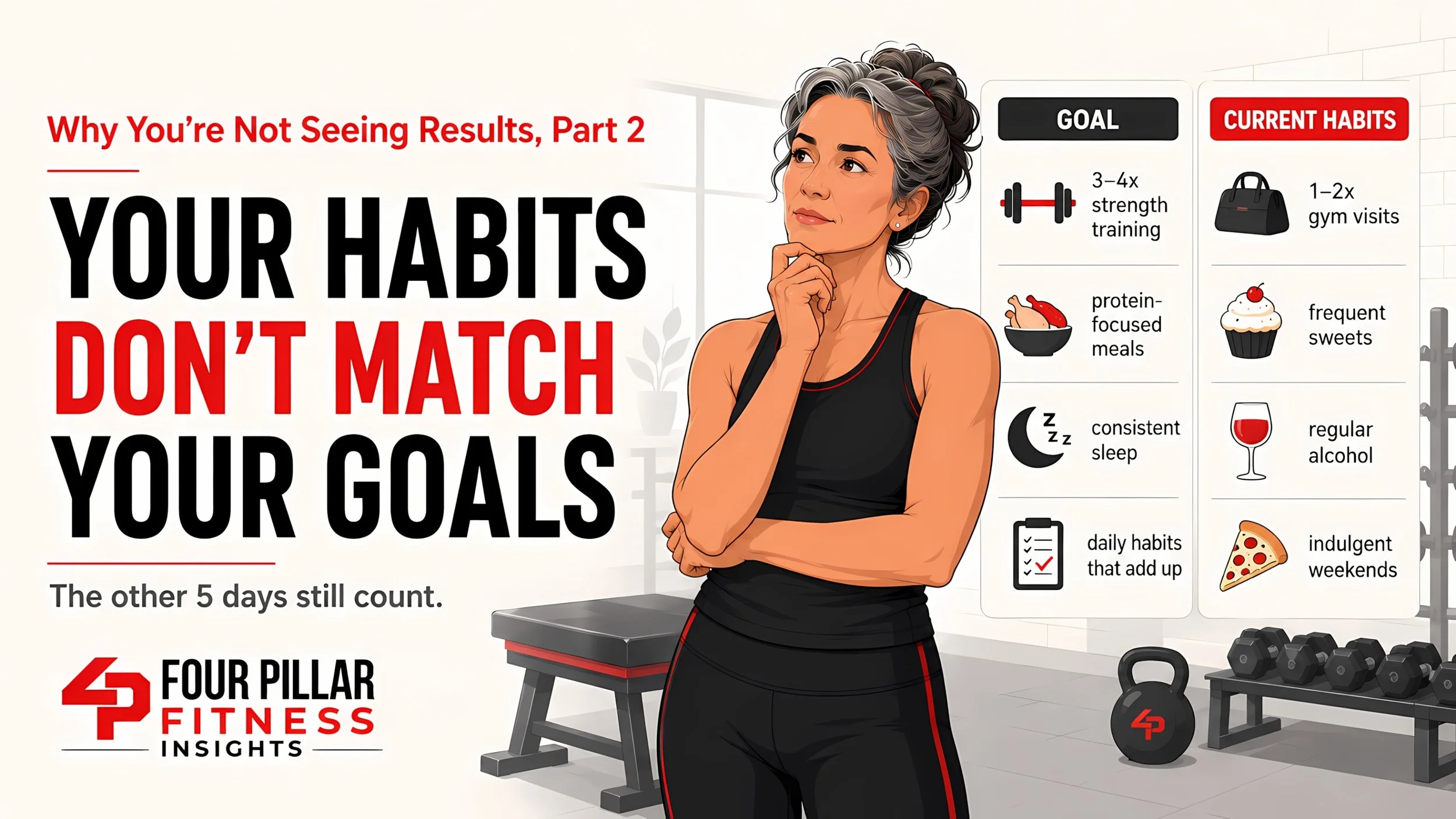



Can you build muscle and lose fat after 50? Yes, but the process depends on more than training hard or eating more. Learn how calorie intake, protein, alcohol, recovery, training history, body recomposition, smart-scale readings, and realistic timelines affect muscle gain and fat loss as you get older.