

Intermittent Fasting: What It Can Do, What It Can’t Do, and How to Use It Wisely
Intermittent fasting is one of those topics that gets people curious fast. Some people talk about it like it’s the secret to fat loss, energy, longevity, and mental clarity. Others dismiss it as another diet trend wearing a cleaner shirt. As usual, the truth lives somewhere in the middle.
Intermittent fasting can be a useful tool. It can help some people create better structure around eating, reduce mindless snacking, and feel more in control of their nutrition. It may also support certain metabolic health markers, depending on the person and food quality. But it’s not magic. It does not override calories, protein, strength training, sleep, or consistency.
Fasting is not a diet by itself. It’s a meal-timing strategy. It tells you when to eat, but it does not automatically tell you what to eat, how much to eat, or whether your meals are supporting your goals.
What Intermittent Fasting Actually Is
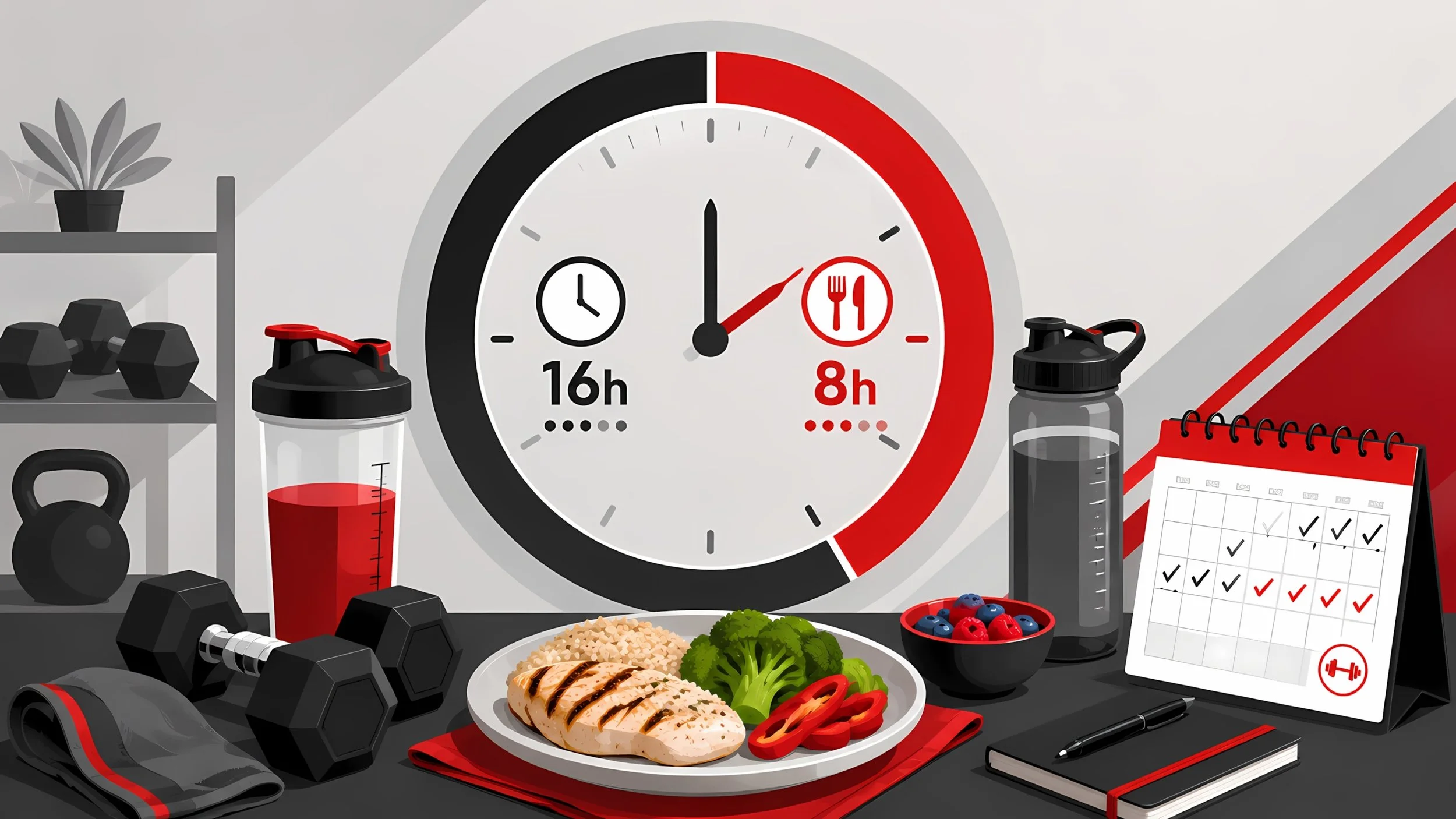
Intermittent fasting simply means cycling between periods of eating and periods of not eating. There are many versions, but the most common style is time-restricted eating. That might mean eating during an 8-hour window and fasting for 16 hours, often called 16:8. Others may use a 12-hour fast, a 14-hour fast, or a more aggressive schedule.
For most people, the simplest version is not eating late at night, sleeping, delaying breakfast a little, and then eating within a defined window during the day. That’s it. No mystery robe required.
What It Can Do
One of the biggest benefits of intermittent fasting is structure. A defined eating window can reduce grazing, late-night snacking, and the constant “what should I eat now?” loop. For some people, that naturally lowers calorie intake without needing to track every bite.
That’s one reason fasting may help with fat loss. It often works because it makes eating less easier, not because it breaks the rules of metabolism. If you fast for 16 hours and then overeat during your eating window, you can still gain weight. If you fast and consistently eat in a reasonable calorie range with enough protein, you may lose body fat.

Intermittent fasting may also help some people feel better from a digestion standpoint. This is one reason I personally enjoy it. I typically use a 16-hour fast, train in a fasted state, then have a protein shake after my workout followed by my first full meal shortly after. I’ll usually have a second shake between that meal and dinner to keep protein intake high without making every meal feel oversized. For me, that rhythm feels good. I feel lighter, clearer, and less weighed down by constant eating throughout the day.
That’s personal experience, not a universal rule. Some people feel focused when they fast. Others feel distracted, cranky, weak, or preoccupied with food. Neither experience is morally superior. Your body is not trying to win an internet argument. It’s giving you feedback.
The Protein Problem
Here’s where intermittent fasting can get tricky for active adults: protein. If you’re trying to build strength, improve body composition, or preserve muscle as you age, protein matters. When you shrink your eating window, you shrink your opportunities to get enough of it.
If you fast, build your eating window around protein first. That might mean a post-workout shake, a solid first meal, another protein-centered meal later in the day, or a second shake when whole food does not fit the schedule. The meals don’t need to be perfect, but they need to be intentional.
This is especially important if you train hard. Fasting should not become a reason to under-eat protein, miss key nutrients, or turn meals into an afterthought. If your eating window makes it harder to hit your protein target, adjust the plan.
Training Fasted
Some people like training fasted. I do. That doesn’t mean everyone should. Fasted training can feel great for lower to moderate intensity workouts, walking, mobility, or familiar strength sessions. But if you’re dragging, getting dizzy, losing performance, or dreading your workouts, that’s useful information.
Training quality still matters. If fasting makes your workouts worse, it may not be helping your bigger goal. A well-timed small meal before training might be the smarter choice. There is no prize for suffering through a bad workout just because an app said your fasting timer looked impressive.
The best approach is practical. If you train fasted and feel strong, focused, and recovered, it may work well for you. If you train better with food in your system, eat before you train.
Who Should Be Cautious
Intermittent fasting is not a good fit for everyone. People with a history of disordered eating should be especially careful, because fasting rules can become another food obsession. Pregnant or breastfeeding women, people with certain medical conditions, people taking medications that affect blood sugar, and anyone with diabetes or blood sugar instability should speak with a qualified healthcare professional before trying it.
Athletes, teens, very active people, and people trying to gain muscle may also need to be cautious. Not because fasting is automatically dangerous, but because these groups often need more total energy and more frequent nutrition to support growth, performance, and recovery.
This is why I don’t automatically recommend intermittent fasting to clients. If someone asks me about it, I’ll explain what I like personally, what the research suggests, where the limitations are, and what to watch out for. Then we look at the person’s goals, schedule, training, health history, and relationship with food.
How to Use It Wisely
If you’re curious about fasting, start conservatively. A 12-hour overnight fast is a reasonable step. That might look like finishing dinner at 7 p.m. and eating breakfast at 7 a.m. For many people, that alone reduces late-night snacking and gives digestion a break without making the day feel restrictive.
From there, some people may experiment with 14 hours. Others may eventually try 16:8. You don’t need to jump straight into a long fast or fast every day. The goal is not to prove toughness. The goal is to find a structure that supports your health, energy, training, and real life.
During your eating window, keep the basics boring in the best way. Prioritize protein, fiber-rich carbohydrates, healthy fats, fruits, vegetables, hydration, and meals that leave you satisfied. Pay attention to your energy, mood, sleep, training performance, digestion, hunger, and consistency. If those improve, fasting may be a useful tool. If they get worse, adjust. That’s coaching, not dogma.
The Final Rep
Intermittent fasting can be helpful, but it’s not a shortcut around the fundamentals. It may help some people eat with more structure, reduce snacking, feel better digestively, and manage calories more easily. But it can’t replace good food, adequate protein, strength training, recovery, and consistency.
Used wisely, fasting can be one tool in the toolbox. Used poorly, it can become another rigid rule that makes nutrition harder than it needs to be. The best nutrition plan is not the one with the trendiest name. It’s the one that supports your goals, fits your life, protects your muscle, and helps you perform better over time.
Have you tried intermittent fasting? Did it help your energy and structure, or did it make nutrition harder to manage? Leave a comment below.
Stephan Earl is a NASM Certified Personal Trainer, Nutrition Coach, and Corrective Exercise Specialist dedicated to helping people build lasting strength and mobility at every age. With a focus on practical, sustainable fitness, he combines science-based training with mindful movement and nutrition.
He's the author of Yoga Strong: 100 Asanas for Strength of Body and Mind and the forthcoming book The Four Pillars of Fitness: A Simple, Science-Backed System For Strength and Longevity, which explores how to stay strong, flexible, and energized for life. His mission is to help others move better, feel better, and live fully at every stage of their fitness journey.
Learn More
Four Pillar Fitness is built on one clear idea. Strength, Mobility, Nutrition, and Recovery work together to keep you strong and independent at every age. To dive deeper into each pillar visit 4PFitness.com.
References
Chen, S., et al. “Effects of Time-Restricted Eating on Body Composition and Metabolic Parameters in Overweight and Obese Women: A Systematic Review and Meta-Analysis.” Nutrition & Metabolism, 2025. This review found that time-restricted eating can reduce body weight and fasting insulin, but does not appear superior to traditional calorie restriction for weight loss.
Chen, Y. E., et al. “Effects of Timing and Eating Duration of Time Restricted Eating on Weight and Metabolic Outcomes: Systematic Review and Network Meta-Analysis.” BMJ Medicine, 2026. This review found that earlier eating windows may improve body weight, BMI, fat mass, and waist circumference compared with usual diets.
Pavlou, V., et al. “Effect of Time-Restricted Eating on Weight Loss in Adults With Type 2 Diabetes: A Randomized Clinical Trial.” JAMA Network Open, 2023. This trial found that time-restricted eating helped reduce body weight in adults with Type 2 diabetes, with HbA1c changes similar to calorie restriction.
Lowe, D. A., et al. “Effects of Time-Restricted Eating on Weight Loss and Other Metabolic Parameters in Women and Men With Overweight and Obesity.” JAMA Internal Medicine, 2020. This randomized trial found that 16:8 time-restricted eating did not produce significant weight loss or cardiometabolic benefits compared with a control eating schedule.
Jäger, R., et al. “International Society of Sports Nutrition Position Stand: Protein and Exercise.” Journal of the International Society of Sports Nutrition, 2017. This position stand supports higher protein intake for exercising individuals and notes that higher intakes may be useful for retaining lean mass during calorie deficits.
Liu, H., et al. “Time-Restricted Eating in Overweight and Obese Adults.” Frontiers in Nutrition, 2026. This consensus-style review notes that time-restricted eating may be suitable for many adults with overweight or obesity, but highlights contraindications including pregnancy, lactation, eating disorders, and severe or uncontrolled metabolic diseases.
More Health & Fitness Insights…
Visit the 4P Fitness PRO Shop
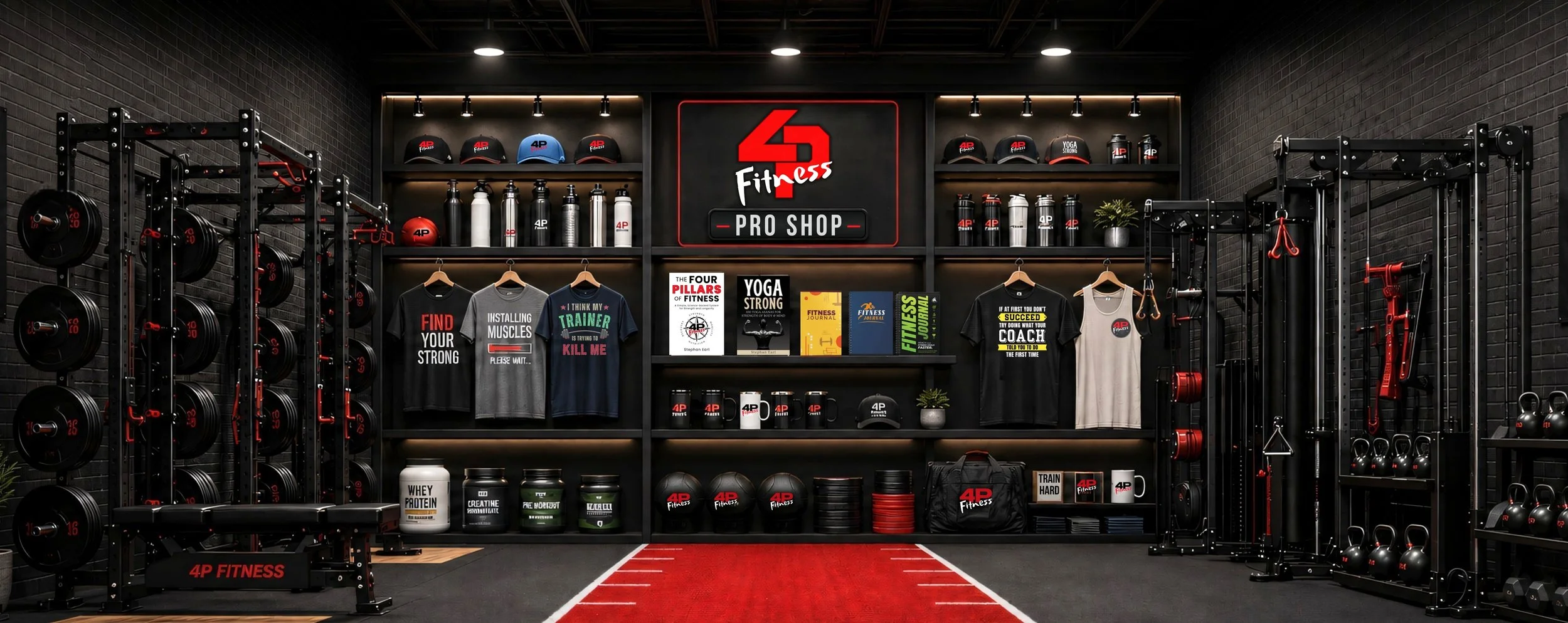
Gear up with fitness-inspired apparel, drinkware, journals, instant downloads, and a little gym and coach humor for the people who train hard, recover smart, and still know how to laugh between sets.
Shop the 4P Fitness Pro Shop and find something that fits your fitness life.

The 4P Fitness Pro Shop Gift Card is a simple, flexible gift for lifters, athletes, coaches, clients, and everyday warriors. Available from $25 to $200, it lets them choose apparel, drinkware, fitness gear, books, journals, or other 4P Fitness favorites. No sizing guesswork. No color worries. Just motivation they can pick for themselves.
Features
Available in denominations from $25 to $200
Redeemable toward eligible products in the 4P Fitness Pro Shop
Great for apparel, drinkware, fitness accessories, books, journals, and more
Perfect for athletes, gym lovers, coaches, clients, and fitness-minded friends
A flexible gift option for holidays, birthdays, milestones, and special occasions
No physical product required, making it easy to send and easy to use