

Weighted Vest Walking Is Back: Benefits, Risks, and 5 Vests Worth Considering
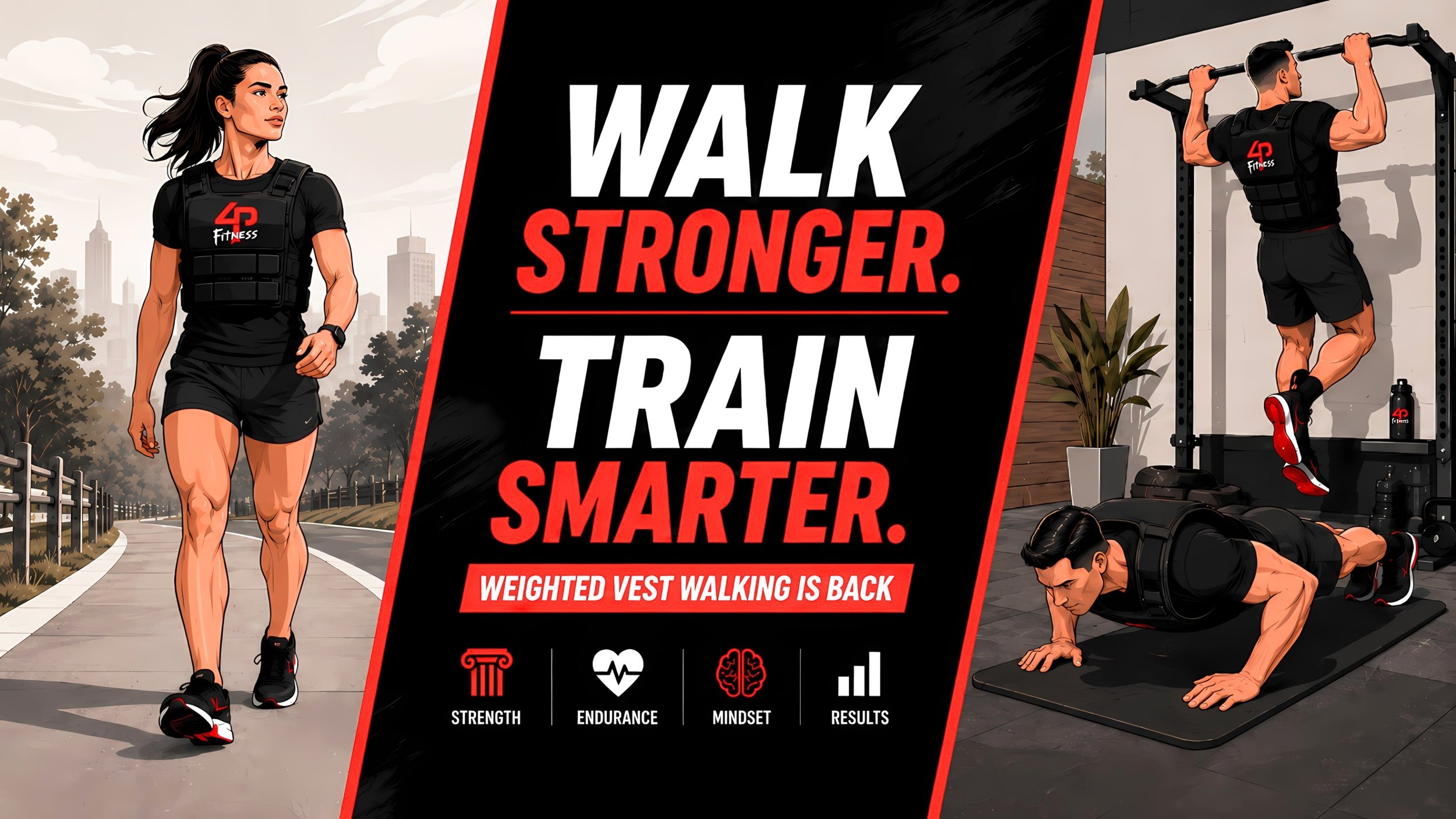
Weighted vests are having a moment again. You’ve probably seen them in walking videos, rucking posts, bodyweight circuits, and social media clips where someone turns a simple walk into something that looks like tactical training. Like most fitness trends, there’s some truth, some hype, and a lot of “it depends.”
I get why people are interested. A weighted vest is simple. You put it on, move your body, and instantly make the activity harder. There’s no machine, no app, and no complicated setup. It’s just added load, and when it’s used well, that load can make walking, bodyweight training, and conditioning more challenging.
I used one heavily during the start of the pandemic when gyms were closed. At the time, I had a small gym setup on my patio, and I used the vest for jump rope, push-ups, pull-ups, walking, and other bodyweight exercises to add stamina and resistance. It wasn’t fancy, but it worked. It gave me a way to keep training hard when my normal gym routine was off the table.
That’s still the best way to think about weighted vests. They’re not magic. They’re a tool. Used well, they can help you make simple movements more productive. Used poorly, they can turn a smart workout into unnecessary stress on your joints, back, and recovery.
What a Weighted Vest Actually Does
A weighted vest adds external load to your body while you move. That extra load can increase the effort required from your legs, hips, core, lungs, and cardiovascular system. For walking, it can make a normal walk feel more like a loaded carry because your body has to work harder to move the same distance.
For bodyweight training, a vest can create progressive overload. Push-ups, pull-ups, squats, step-ups, and lunges all become harder when you add weight. That can be useful when regular bodyweight exercises no longer feel challenging enough, especially if you train at home or want a simple way to increase resistance without adding more equipment.
But the vest doesn’t replace strength training. It supports it. If your goal is to build muscle, you still need smart resistance training. If your goal is fat loss, you still need nutrition habits that support your calorie and protein needs. The vest can help, but it doesn’t override the basics.
Who Weighted Vest Walking May Help
Weighted vest walking may be useful for people who already walk consistently and want a simple way to make walking more challenging. If you’re not walking much now, your first goal should be building the habit. Get consistent first, then consider adding load.
A vest can be a good fit if you want to increase the intensity of your walks without running. This may help people who don’t enjoy running, have limited time, or want a lower-impact way to increase effort. It may also help people who enjoy rucking-style workouts but don’t want to carry a backpack, since a vest keeps the load closer to your center of mass.
What About Bone Density?
Bone health is one reason weighted vests are getting attention, especially among people thinking about aging, menopause, strength, and long-term health. The idea makes sense: bones respond to load, and adding resistance to weight-bearing movement may increase the demand on the body.
But we need to stay honest. Weighted vests may support bone-loading when paired with weight-bearing activity, but they shouldn’t be promoted as a guaranteed bone-density solution. Some research has suggested possible benefits in certain groups, while other research has found less convincing results. Strength training, impact training when appropriate, nutrition, protein, vitamin D status, and consistency still matter.
Think of the vest as one possible tool inside a larger strength and mobility strategy.
Who Should Be Careful
Not everyone needs to jump into weighted vest training. If you have back pain, hip pain, knee pain, foot issues, balance concerns, osteoporosis, recent fractures, or a history of joint problems, be careful and get professional guidance when needed. Added load changes how your body absorbs force, and even a small amount of extra weight can become a problem if your movement mechanics are already irritated.
You should also be careful if you think heavier always means better. It doesn’t. More weight can increase the training effect, but it can also increase fatigue, joint stress, and recovery needs. If the vest makes you hunch forward, shorten your stride, hold your breath, or feel beat up after every session, it’s too much.
A good weighted vest workout should feel challenging, not reckless. We’re training for long-term capacity, not trying to win the “who can make walking miserable” championship. That trophy is imaginary and probably comes with sore knees.
How to Start Safely
Start lighter than your ego wants. A good starting point for many people is about 5 to 10 percent of body weight. For a 180-pound person, that’s roughly 9 to 18 pounds. You don’t need to start with 30, 40, or 50 pounds to make progress.
Begin with short walks on flat ground. Try 10 to 20 minutes and pay attention to posture, breathing, stride, and joint feedback. You should be able to walk tall, breathe steadily, and keep a natural pace. If the first few walks feel good, progress slowly by changing one variable at a time: time, distance, pace, incline, or weight.
Build the habit first, then build the load.
Weighted Vest Walking vs. Rucking
Weighted vest walking and rucking are related, but they’re not exactly the same. Rucking usually means walking with a loaded backpack or ruck. The load sits behind you, which changes how your torso, shoulders, hips, and core work. Weighted vest walking places the load around your torso, often with weight distributed across the front and back.
Neither one is automatically better. A vest may feel better for shorter walks, bodyweight circuits, and balanced load distribution. A ruck may feel better for longer outdoor walks or hiking-style training. The right choice depends on your body, your goals, and what you’ll actually use.
5 Weighted Vests Worth Considering
Before buying a vest, think about your goal. A vest for walking doesn’t need to be the same as a vest for heavy pull-ups, CrossFit-style workouts, or tactical training. Comfort, fit, adjustability, and weight distribution matter more than simply grabbing the heaviest one you can find.
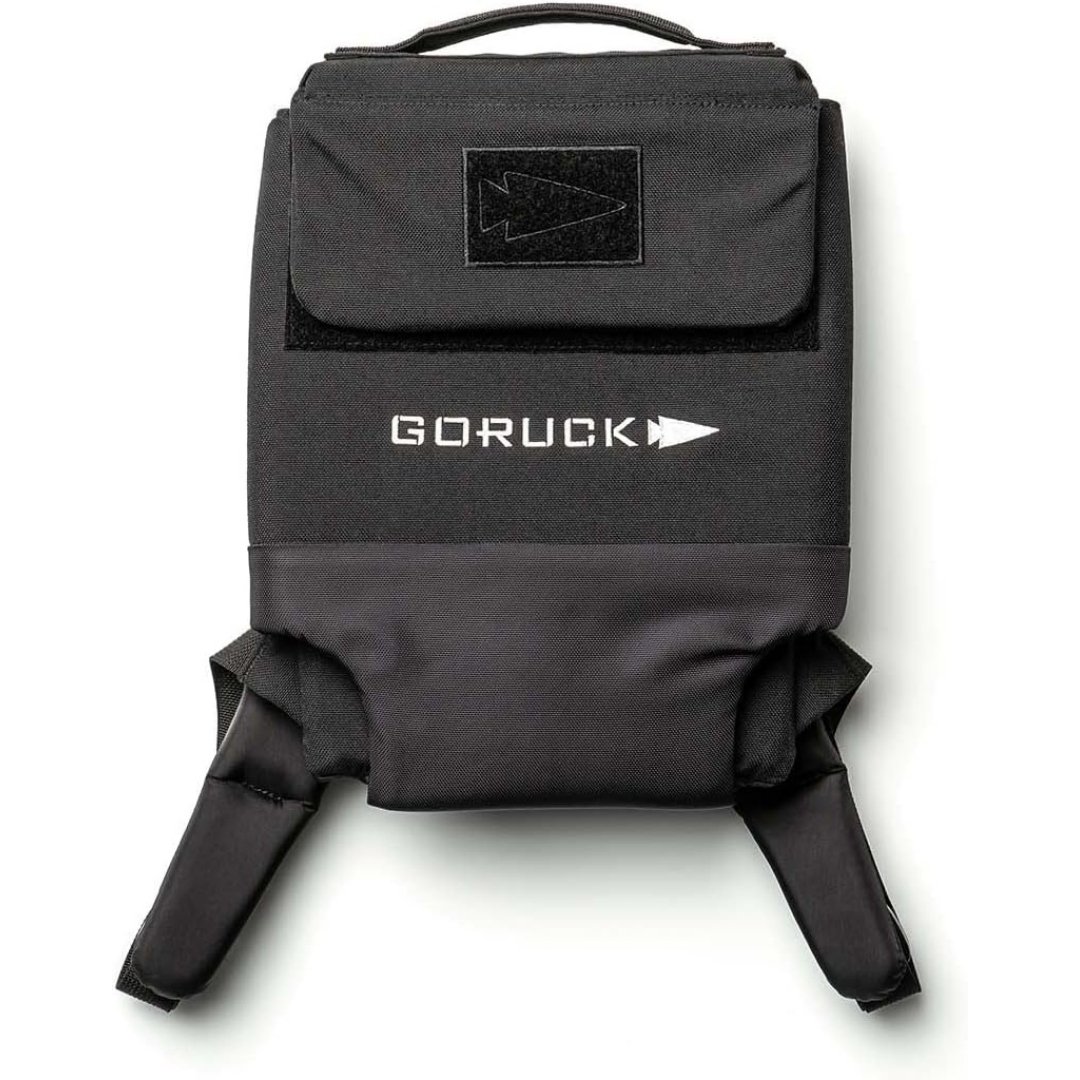
1. GORUCK Ruck Plate Carrier
Best for: heavy-duty training and rucking-style workouts.
GORUCK is known for durable rucking gear, and its plate-carrier style vest is a strong choice if you want something rugged and stable. It’s best for loaded walking, push-ups, pull-ups, step-ups, carries, and harder conditioning. It may be overkill for casual walks, but it’s a serious option for tougher training.
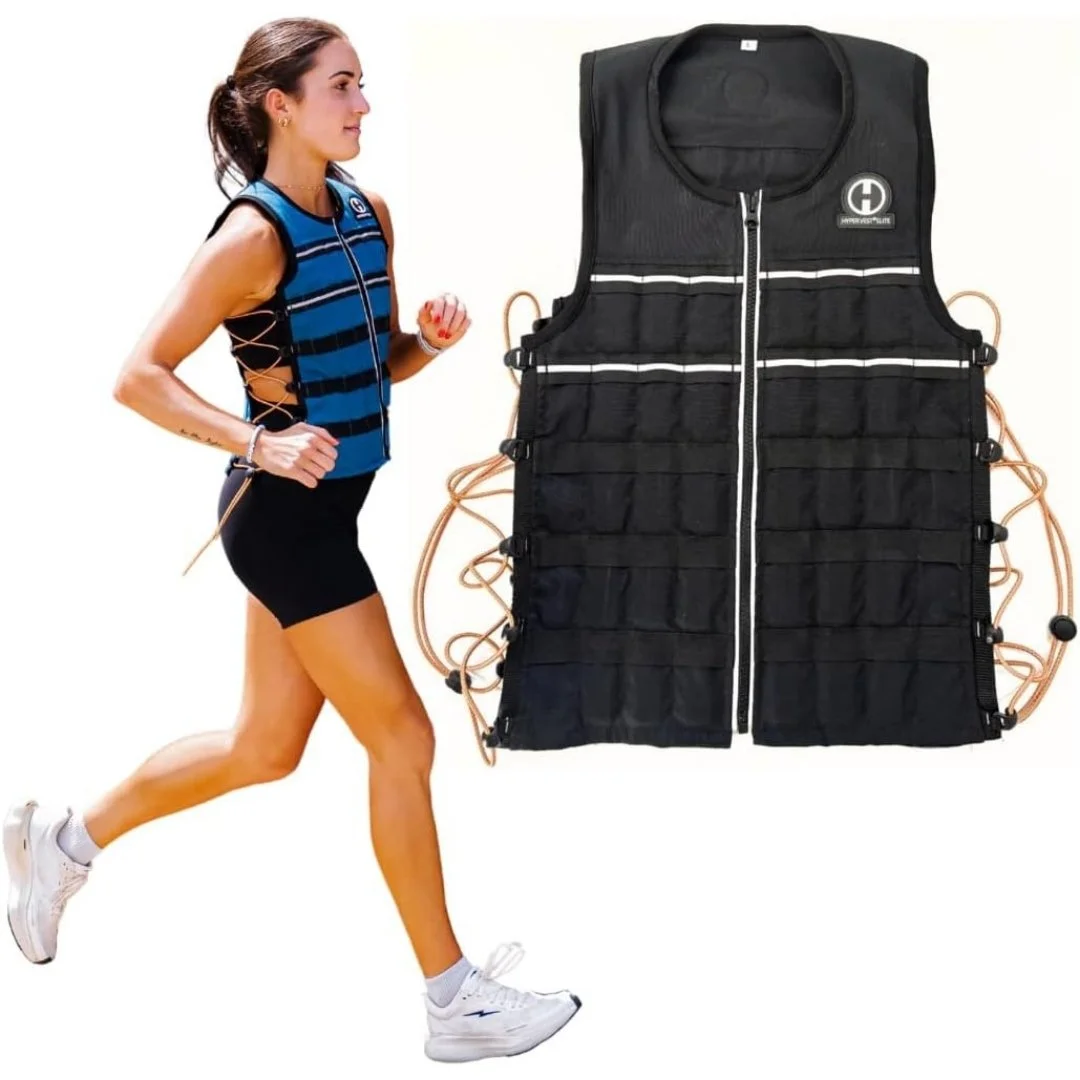
2. Hyperwear Hyper Vest Elite
Best for: walking, low-profile comfort, and versatile conditioning.
The Hyperwear Hyper Vest Elite is a strong option for people who want a slimmer, more body-hugging fit. That makes it useful for walking, light jogging, daily movement, and general conditioning. If comfort is your top priority, this style may be easier to wear consistently than a bulky plate carrier.
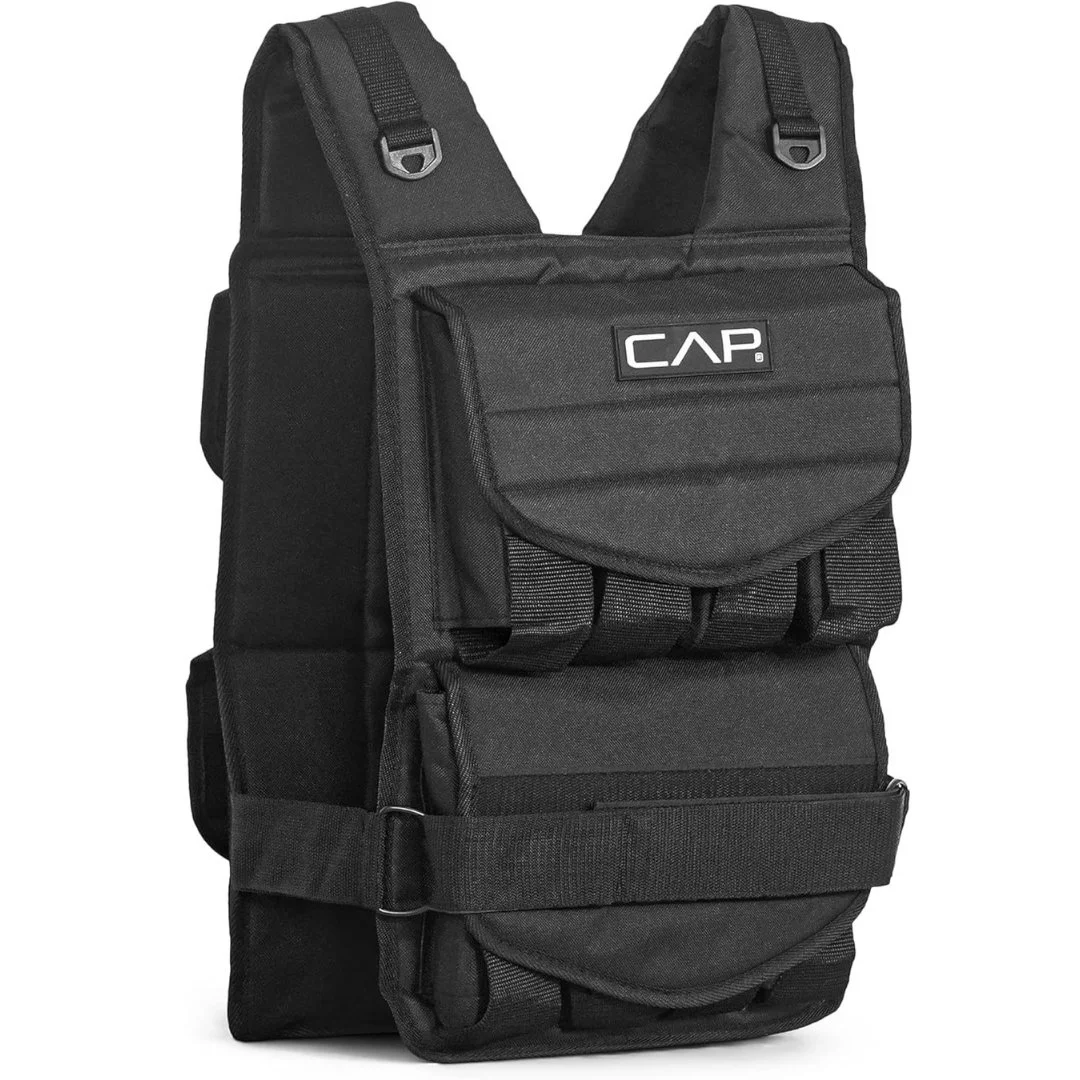
3. CAP Barbell Adjustable Weighted Vest
Best for: adjustable strength training and conditioning.
The CAP Barbell Adjustable Weighted Vest is a practical option for people who want more loading flexibility for bodyweight training, walking, step-ups, and conditioning circuits. It’s more traditional and bulkier than a slim walking vest, but the adjustable design makes it useful if you want room to progress over time.
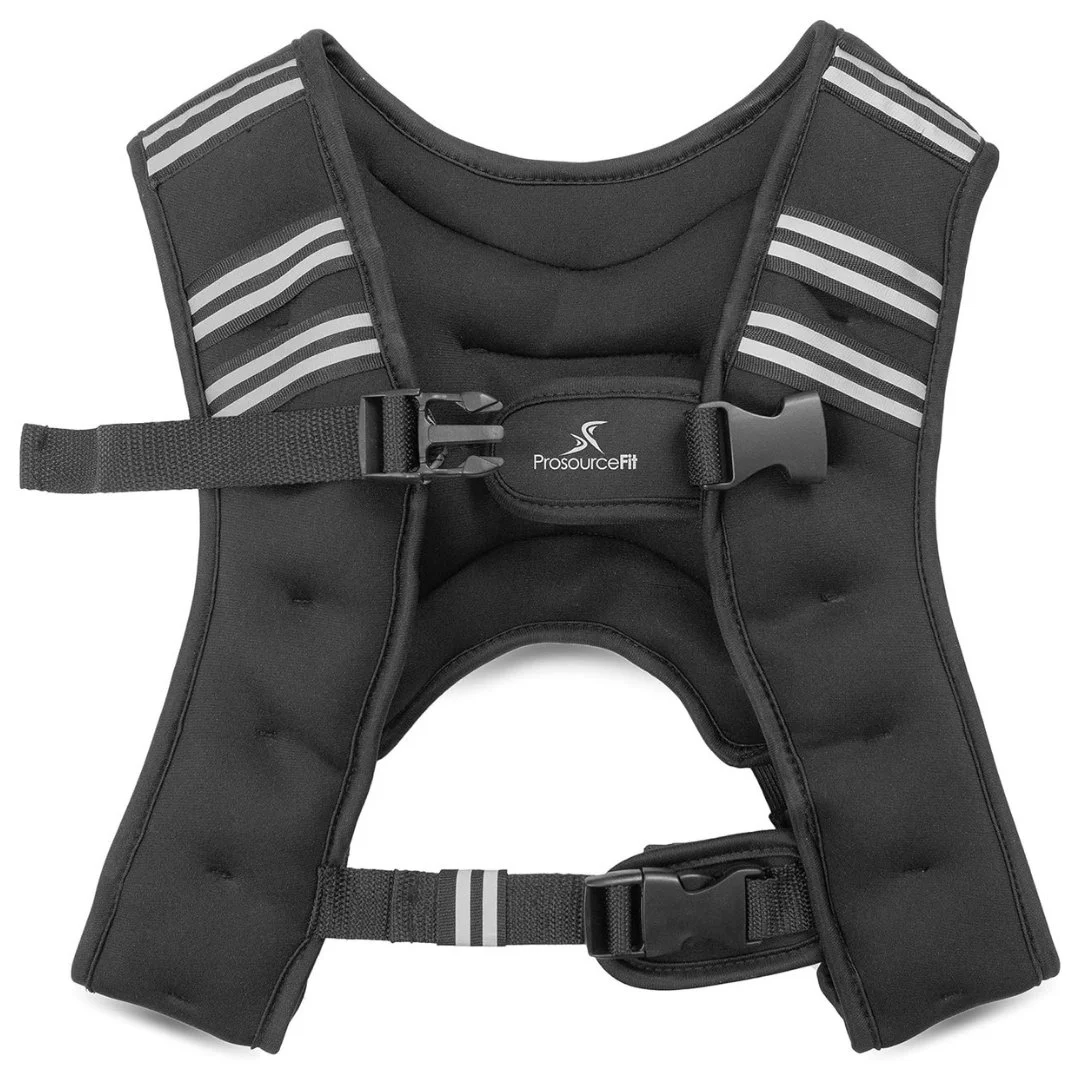
4. ProsourceFit Exercise Weighted Training Vest
Best for: beginners, walking, and budget-conscious buyers.
The ProsourceFit Exercise Weighted Training Vest is a practical starter option for people who want to add resistance to walking, basic bodyweight training, and conditioning without spending premium money. It has an adjustable fit and is designed for both men and women, making it a simple choice if you’re testing whether weighted vest training fits your routine.
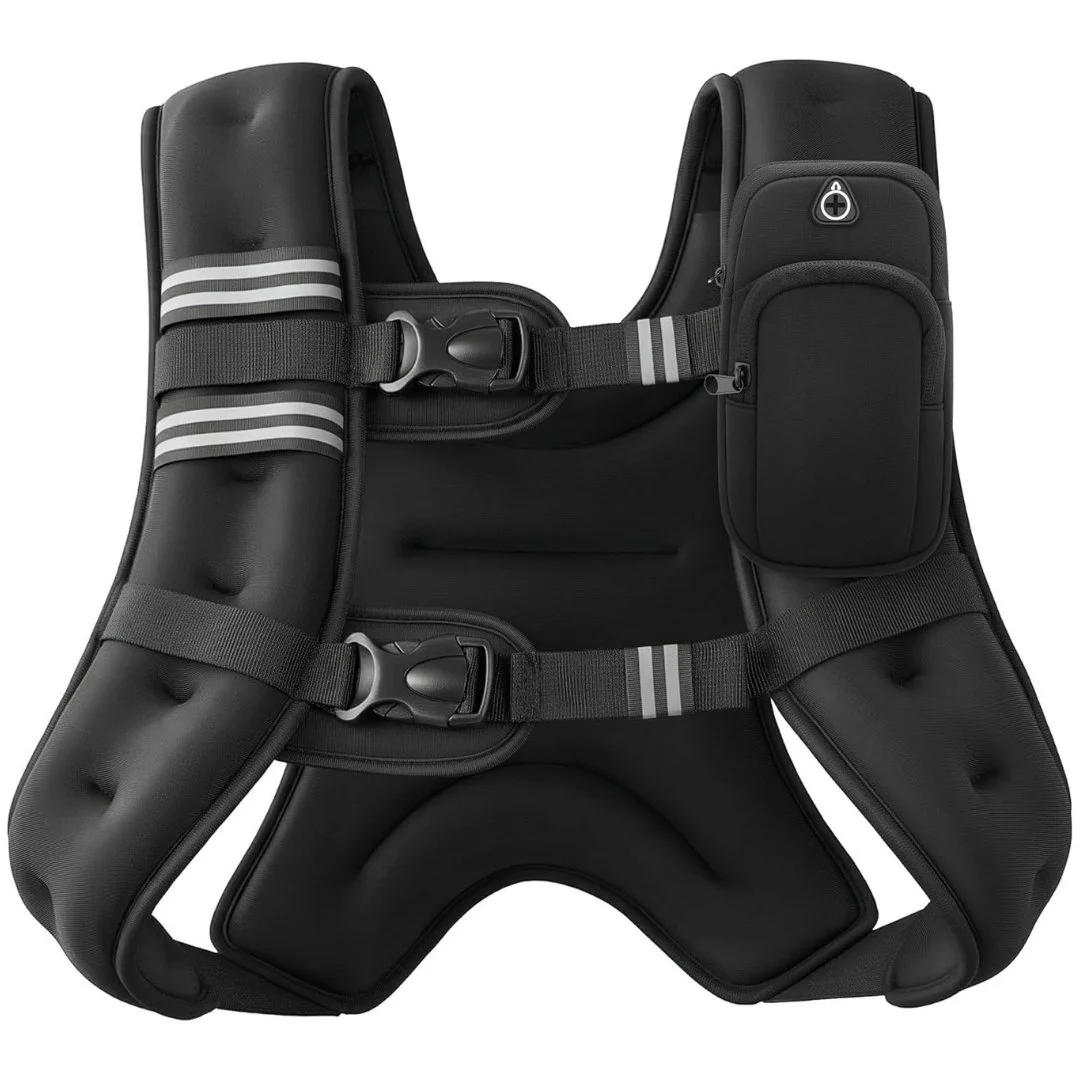
5. ZELUS Weighted Vest
Best for: simple everyday walking and conditioning.
The ZELUS Weighted Vest is a practical no-fuss option for people who want to add resistance to walking, light conditioning, and simple home workouts. It comes in several fixed-weight options, from 6 to 30 pounds, with lighter versions making sense for many beginners. It also includes reflective striping, which is useful if you walk outdoors. It’s not as sleek as the Hyperwear vest or as rugged as a plate carrier, but it’s a strong everyday choice if you want something affordable and easy to use.
What to Look for Before You Buy
Fit matters more than total weight. A good weighted vest should sit securely without bouncing around. It should allow you to breathe, move your arms, walk naturally, and keep good posture. For walking, comfort and fit should be your priority. For harder strength work, durability and load capacity matter more.
Don’t buy a tactical-style vest just because it looks serious if your real plan is walking around the neighborhood for 20 minutes. Match the tool to the job.
Putting It All Together
Weighted vests are back because they solve a real problem. People want simple ways to make walking and bodyweight training more challenging, and a vest can do that without needing a full gym setup.
Used wisely, a weighted vest can support conditioning, muscular endurance, posture awareness, and workout variety. It can make a basic walk feel more purposeful and turn simple exercises into harder strength movements. But it’s not magic, and it’s not for everyone.
Start light. Progress slowly. Keep your posture clean. Don’t use the vest to punish yourself. Use it to build capacity.
That’s the Four Pillar Fitness approach: train with purpose, respect recovery, support your body with good nutrition, and choose tools that help you stay strong and capable for the long run.
Have you ever used a weighted vest for walking, bodyweight training, or conditioning? Share your experience in the comments below.
Stephan Earl is a NASM Certified Personal Trainer, Nutrition Coach, and Corrective Exercise Specialist dedicated to helping people build lasting strength and mobility at every age. With a focus on practical, sustainable fitness, he combines science-based training with mindful movement and nutrition.
He's the author of Yoga Strong: 100 Asanas for Strength of Body and Mind and the forthcoming book The Four Pillars of Fitness: A Simple, Science-Backed System For Strength and Longevity, which explores how to stay strong, flexible, and energized for life. His mission is to help others move better, feel better, and live fully at every stage of their fitness journey.
Learn More
Four Pillar Fitness is built on one clear idea. Strength, Mobility, Nutrition, and Recovery work together to keep you strong and independent at every age. To dive deeper into each pillar visit 4PFitness.com.
References
Financial Times. “Will a Weighted Vest Improve Your Workout?” 2026.
Good Housekeeping. “I Tried This Viral Walking Hack for a Year. Here’s What I Learned.” 2026.
Harvard Health Publishing. “What Are the Benefits of Walking With a Weighted Vest?” 2025.
Kelleher, J. L., et al. “Weighted Vest Use During Dietary Weight Loss on Bone Health in Older Adults With Obesity.” 2017.
Beavers, K. M., et al. “Weighted Vest Use or Resistance Exercise to Offset Bone Loss During Weight Loss in Older Adults With Obesity.” JAMA Network Open, 2025.
OutdoorGearLab. “The Best Weight Vests of 2026.” 2025.
Garage Gym Reviews. “The Best Weighted Vests, Tested by Trainers.” 2026.
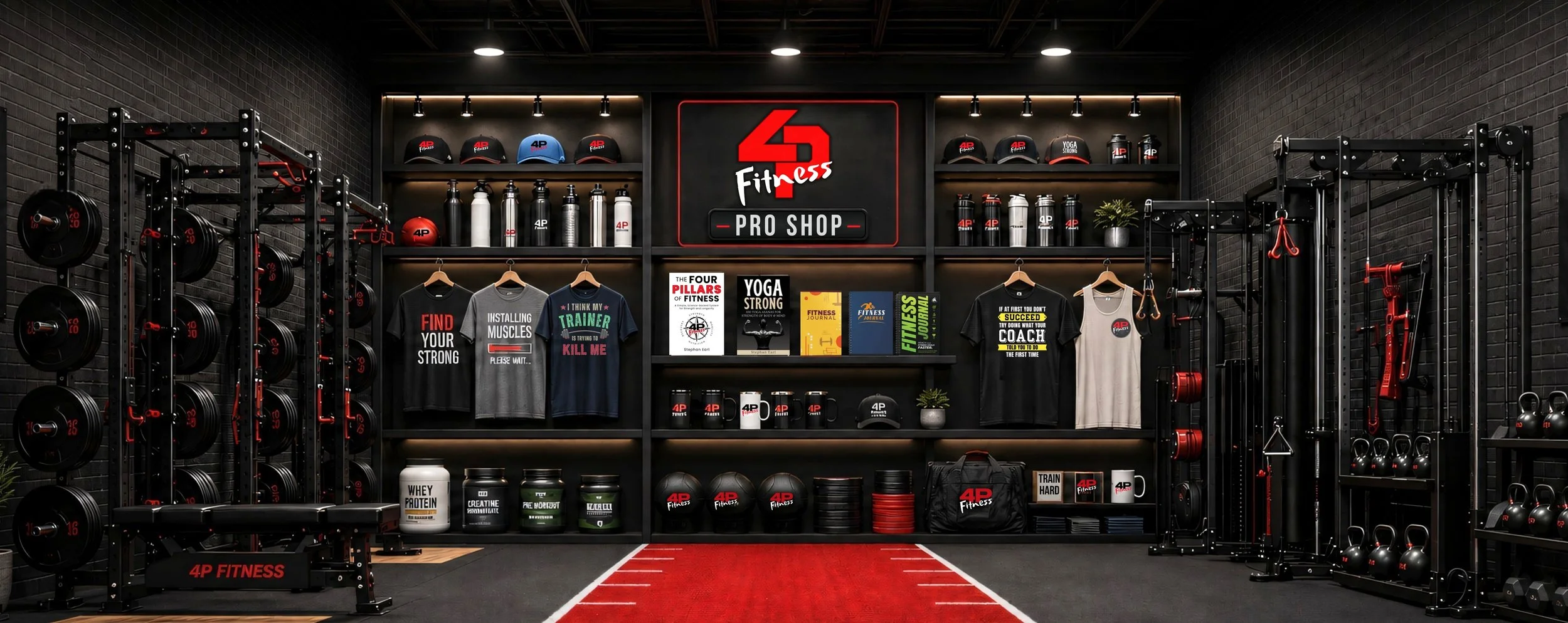
Gear up with fitness-inspired apparel, drinkware, journals, instant downloads, and a little gym and coach humor for the people who train hard, recover smart, and still know how to laugh between sets.
Shop the 4P Fitness Pro Shop and find something that fits your fitness life.

The 4P Fitness Pro Shop Gift Card is a simple, flexible gift for lifters, athletes, coaches, clients, and everyday warriors. Available from $25 to $200, it lets them choose apparel, drinkware, fitness gear, books, journals, or other 4P Fitness favorites. No sizing guesswork. No color worries. Just motivation they can pick for themselves.
Features
Available in denominations from $25 to $200
Redeemable toward eligible products in the 4P Fitness Pro Shop
Great for apparel, drinkware, fitness accessories, books, journals, and more
Perfect for athletes, gym lovers, coaches, clients, and fitness-minded friends
A flexible gift option for holidays, birthdays, milestones, and special occasions
No physical product required, making it easy to send and easy to use