

The Longevity Bank: Why Muscle Is Your Most Valuable Metabolic Currency
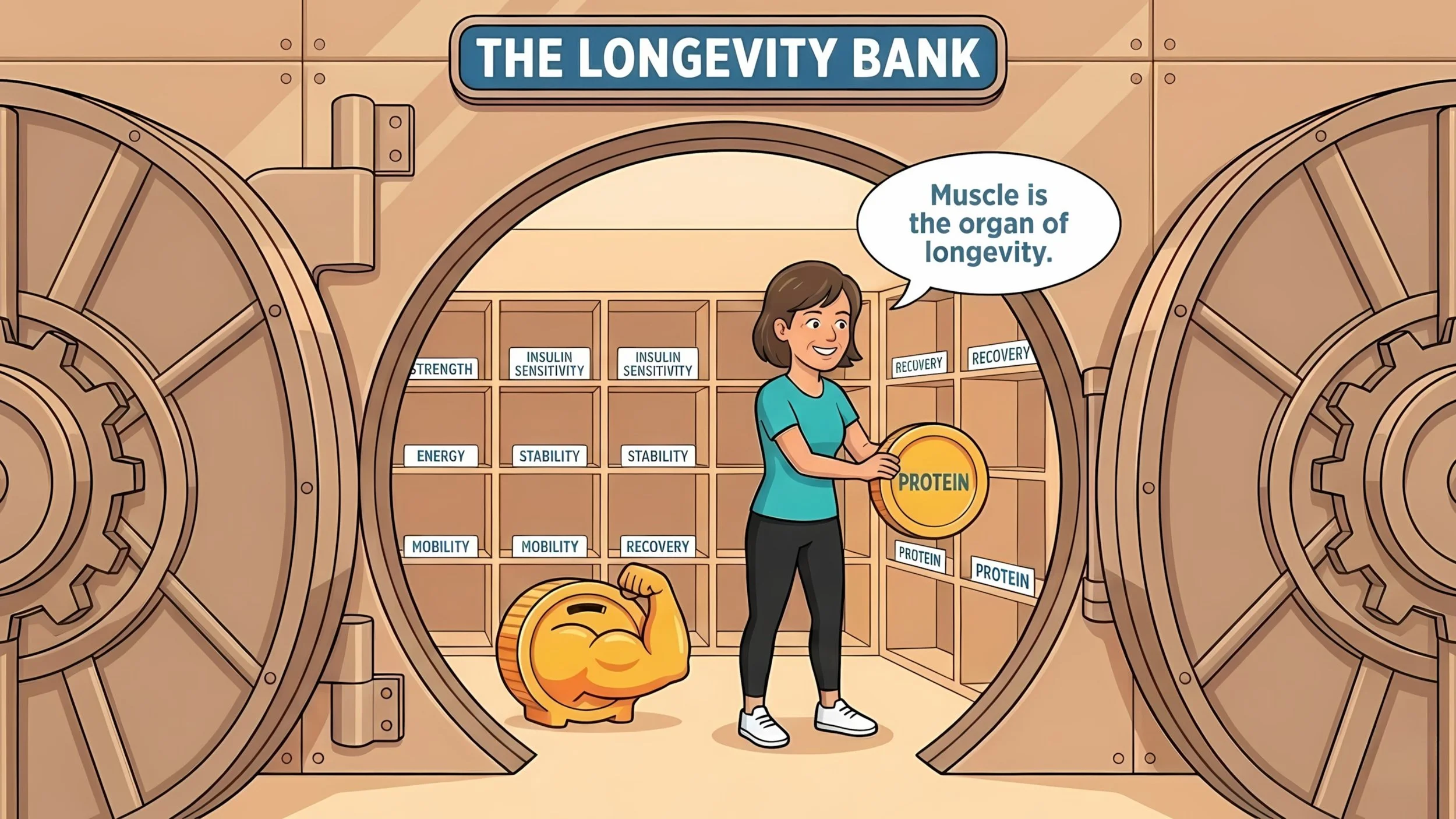
For decades, the fitness industry has sold us a singular vision of success: the aesthetic physique. We’ve been taught to view muscle through the lens of vanity, biceps to flex, abs to reveal, and shoulders to fill out a t-shirt.
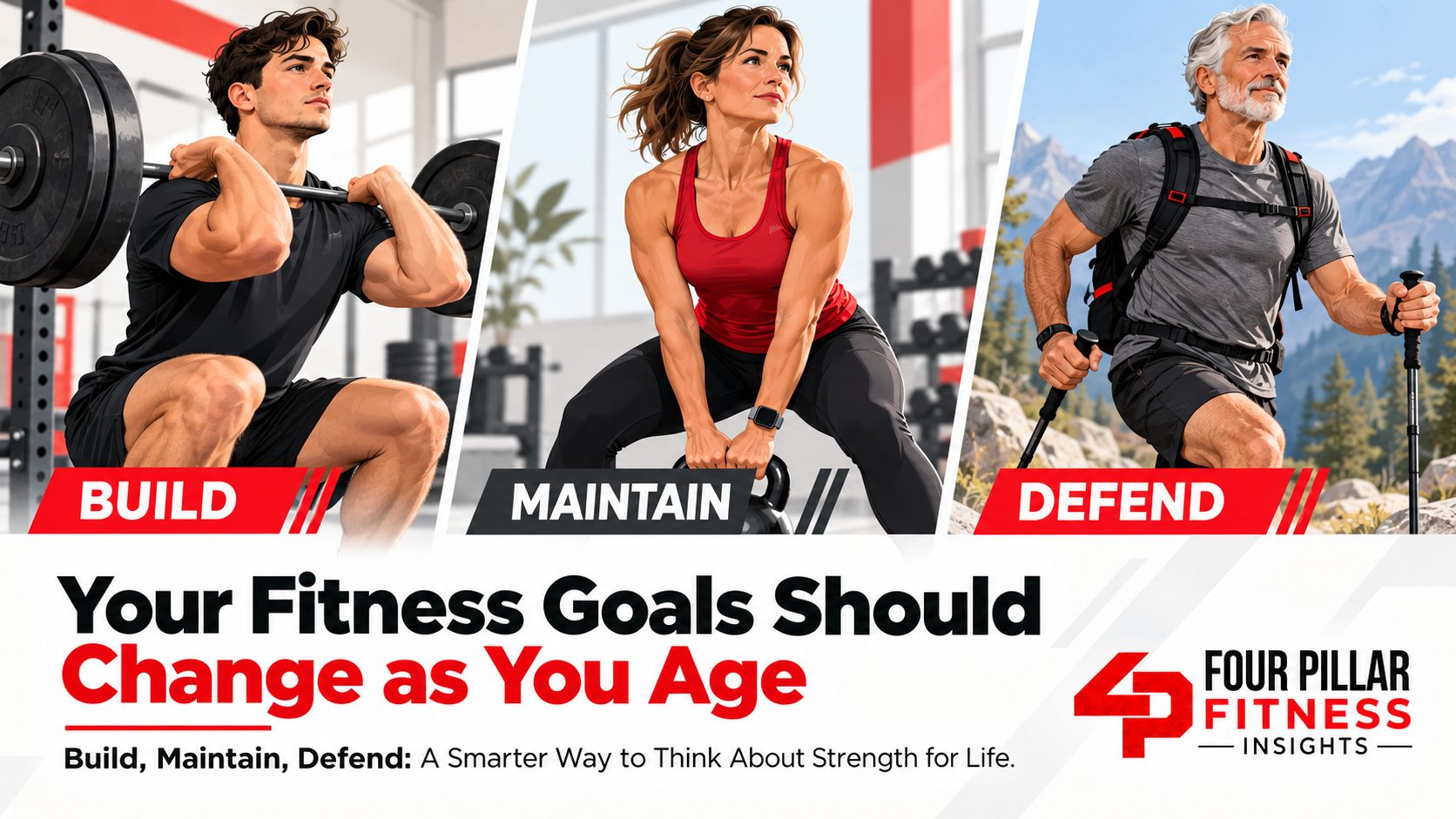
But as we move deeper into the mid-2020s, a profound paradigm shift is occurring. The conversation is moving away from how we look in a mirror and toward how we feel in our 70s, 80s, and beyond. We are realizing that the pursuit of thinness is often a distraction from the pursuit of health.
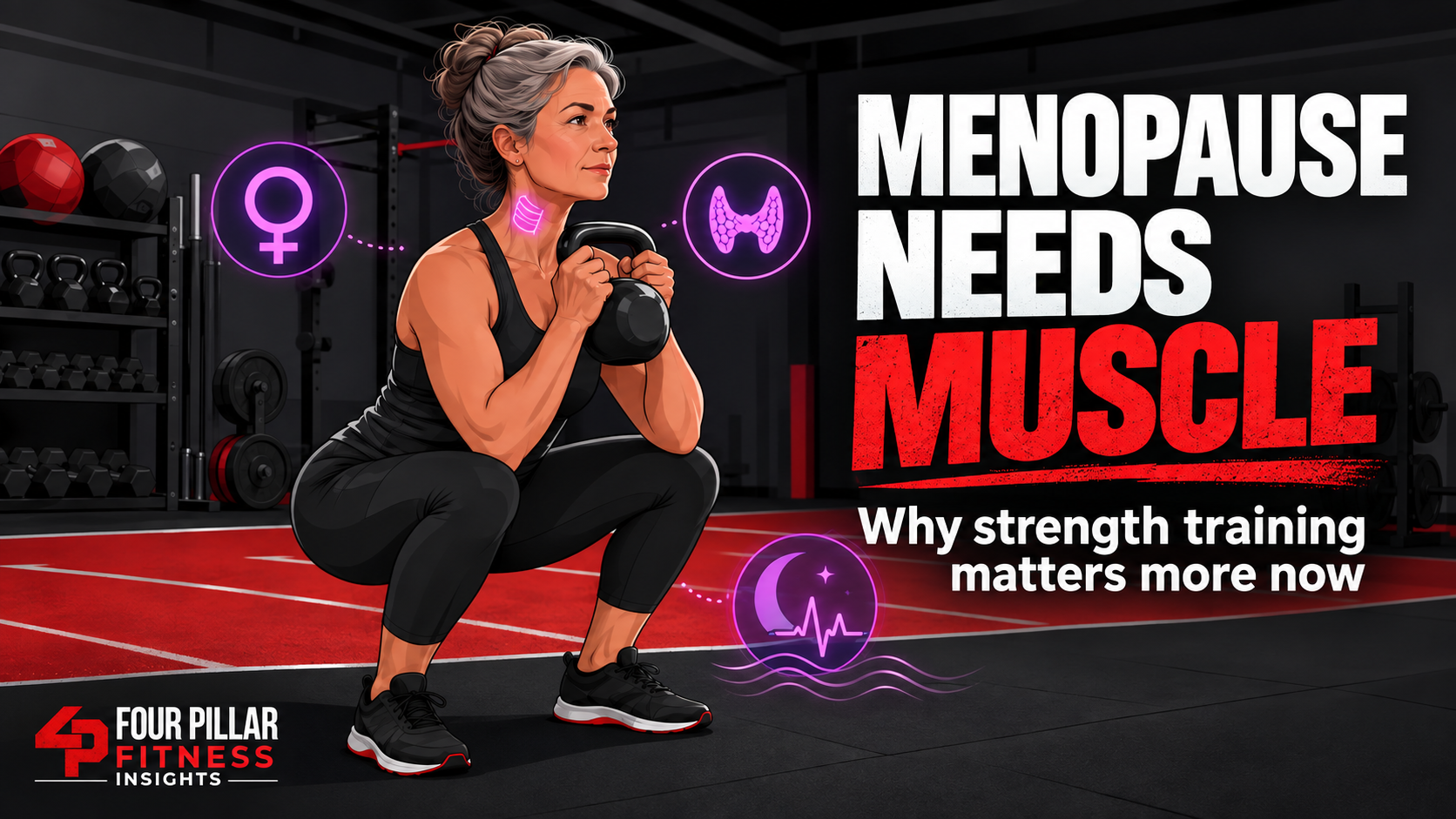
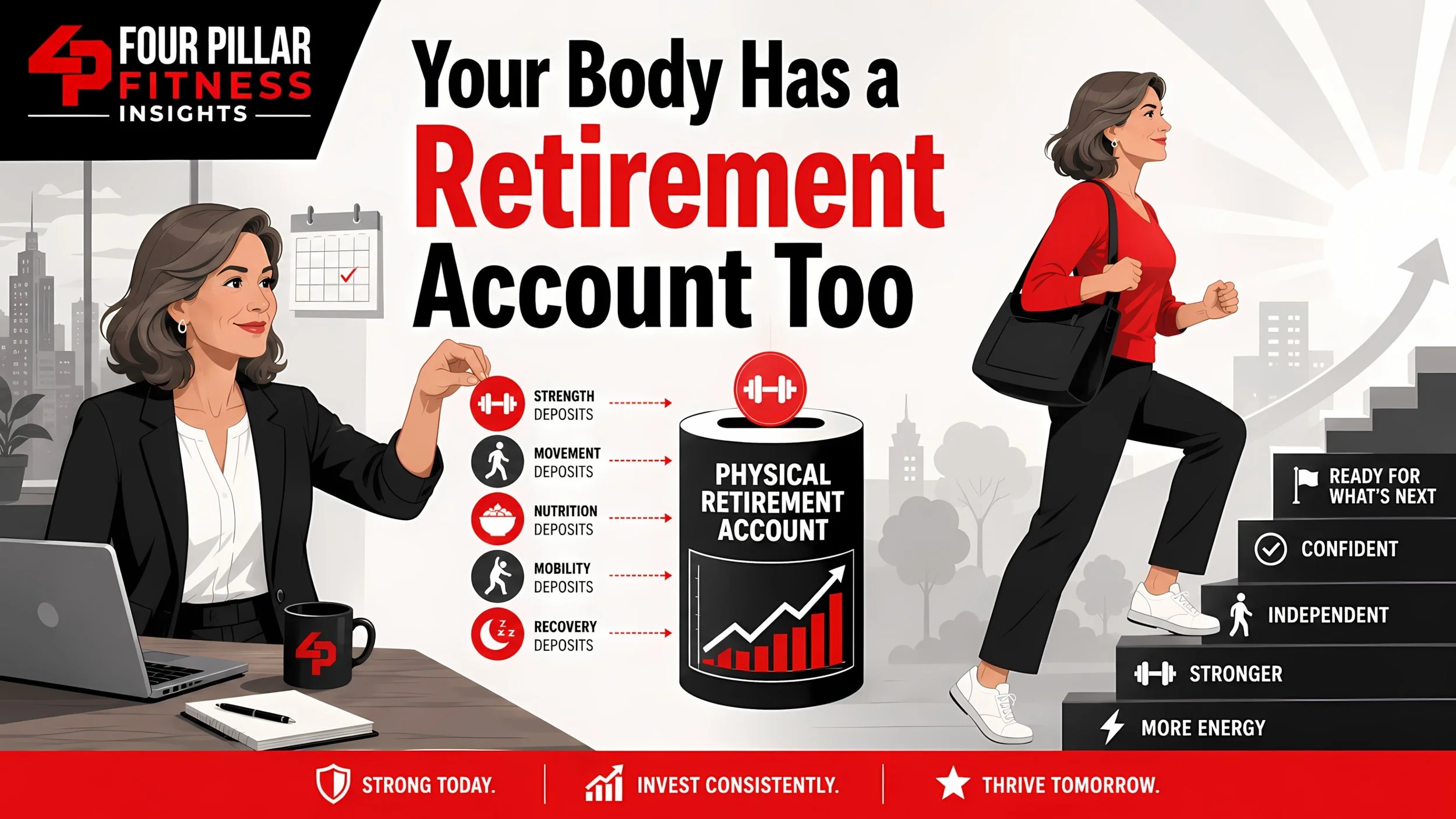
The new frontier of wellness isn't about getting smaller; it's about getting stronger. Science is increasingly validating what functional health experts have long argued: Skeletal muscle is not just tissue for lifting things. It is the primary currency of aging. It is an active endocrine organ that dictates your metabolism, protects your brain, and serves as your retirement fund for physical independence.
To secure your healthspan, the number of years you live in good health rather than just alive, you need to start making deposits into your "muscle bank."
The Pharmacy Within: Muscle as an Organ
The most significant update to our understanding of human physiology is that skeletal muscle is not a passive pulley system that moves our bones. It is arguably the largest endocrine organ in the body.
When your muscles contract during exercise, they don't just burn calories. They manufacture and secrete potent signaling molecules called myokines.
Think of myokines as "hope molecules." They enter the bloodstream and travel to other tissues—including the brain, liver, pancreas, and fat tissue—acting as messengers that regulate systemic health. These myokines help reduce chronic, low-grade inflammation (often called "inflammaging"), which is a root cause of many modern chronic diseases [1].
Furthermore, muscle is your primary metabolic engine. It acts as a massive "sugar sponge." When you eat carbohydrates, glucose enters your bloodstream. While the hormone insulin signals cells to absorb this sugar, muscle tissue is unique in that it handles roughly 80% of insulin-stimulated glucose disposal [2].
Simply put: The more muscle mass you carry, the larger your sponge. A larger sponge means you can clear blood sugar more efficiently after meals, keeping insulin levels stable and significantly reducing the risk of type 2 diabetes and metabolic syndrome.
Sarcopenia: The Silent Thief
If muscle is wealth, most of the modern world is facing a recession.
We are currently facing a silent epidemic called Sarcopenia—the age-related, involuntary loss of skeletal muscle mass and strength. It is to muscle what osteoporosis is to bone.
The statistics are sobering. Starting around age 30, inactive adults begin to lose roughly 3% to 8% of their muscle mass per decade. Once past age 60, that rate accelerates significantly. This isn't just about the aesthetic of "sagging"; the loss of type II muscle fibers (the explosive, strength-based fibers) leads directly to frailty, a higher risk of devastating falls, and the eventual loss of the ability to perform daily tasks like carrying groceries or climbing stairs [3].
Sarcopenia is the primary reason why an 80-year-old might struggle to get out of a low chair. They haven't just "gotten old"; they have bankrupted their muscle reserves.
The Investment Strategy: Making Your Deposits
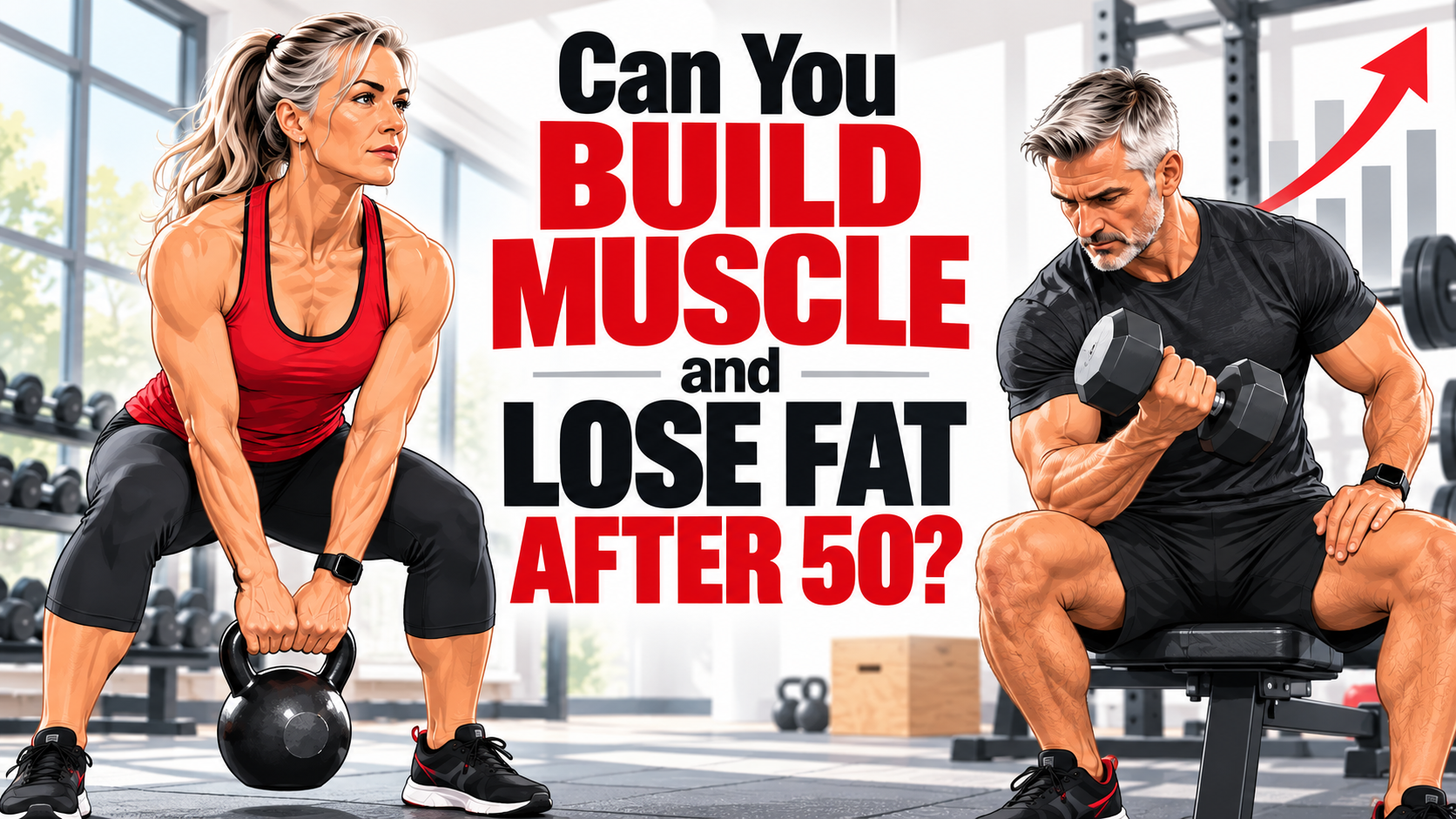
Fortunately, muscle tissue is incredibly plastic. It can be regained and built upon at virtually any age. Building this metabolic currency requires a two-pronged investment strategy: mechanical tension and nutritional support.
1. The Stimulus: Resistance Training
To build the bank, you must challenge the body. Resistance training—whether via barbells, machines, bands, or bodyweight—provides the necessary mechanical tension to signal adaptation.
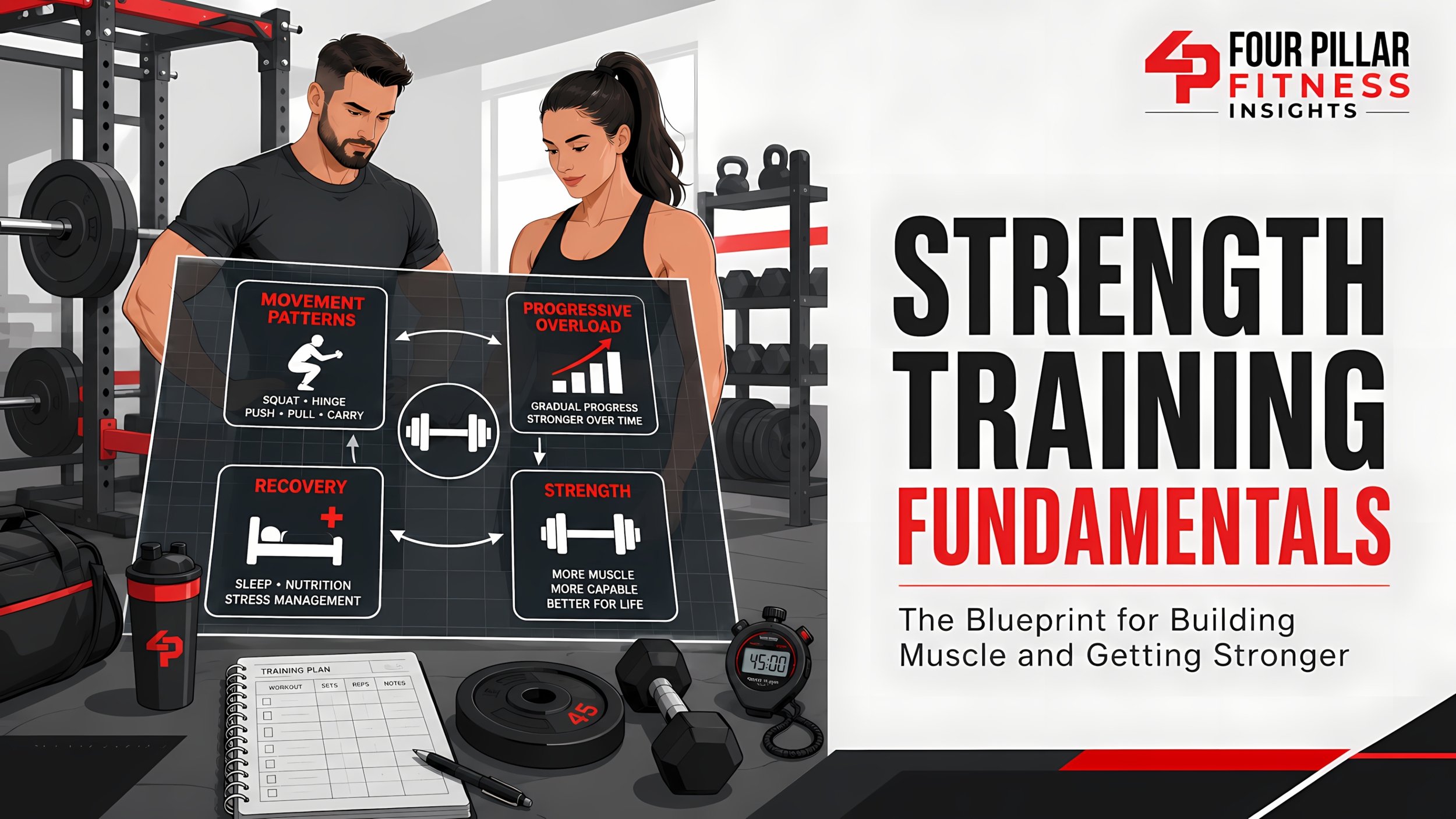
The goal here is progressive overload. You must gradually increase the demands placed on your muscles over time by lifting slightly heavier weights, doing more reps, or improving your technique.
While total body strength is vital, researchers have identified a surprisingly simple metric for gauging your overall biological age: Grip Strength. A firm grip is highly correlated with overall muscular strength, bone density, and even cardiovascular health. In fact, major studies have found that low grip strength is a stronger predictor of all-cause mortality than blood pressure [4].
2. The Currency: Protein Timing
If training is the architect, protein is the brick. You cannot build a metabolic reserve on a protein-deficient diet.
For longevity, total daily protein matters, but when you eat it matters just as much. Many people backload their protein, eating little at breakfast and a massive amount at dinner. This is inefficient for maintaining muscle as we age.
To maximize muscle protein synthesis (MPS)—the biological process of building muscle—experts suggest a concept known as the "protein threshold." This generally means consuming roughly 30 grams of high-quality protein in a single sitting to contain enough of the amino acid Leucine, which acts as the "trigger" to turn on the muscle-building machinery [5].
Prioritizing 30 grams of protein at breakfast is perhaps the single most effective nutritional shift you can make to stop muscle catabolism (breakdown) after an overnight fast.
Practical Application: The Minimum Effective Dose
Building a longevity bank doesn't require living in the gym six days a week. In fact, for long-term sustainability, the "minimum effective dose" is often best.
Frequency: Aim for 2 to 3 full-body resistance training sessions per week.
Focus on Function: Prioritize multi-joint movements that mimic real life. Squats (for sitting and standing), deadlifts or hinges (for picking things up off the floor), overhead presses (for putting things on shelves), and loaded carries (like the "farmer's walk" for grip and core stability) are essential.
Compound Interest via Recovery: Remember that exercise is stress. You don't build muscle in the gym; you build it while you sleep. Prioritizing high-quality sleep is when your metabolic currency compounds.
Conclusion: Changing the Goalpost
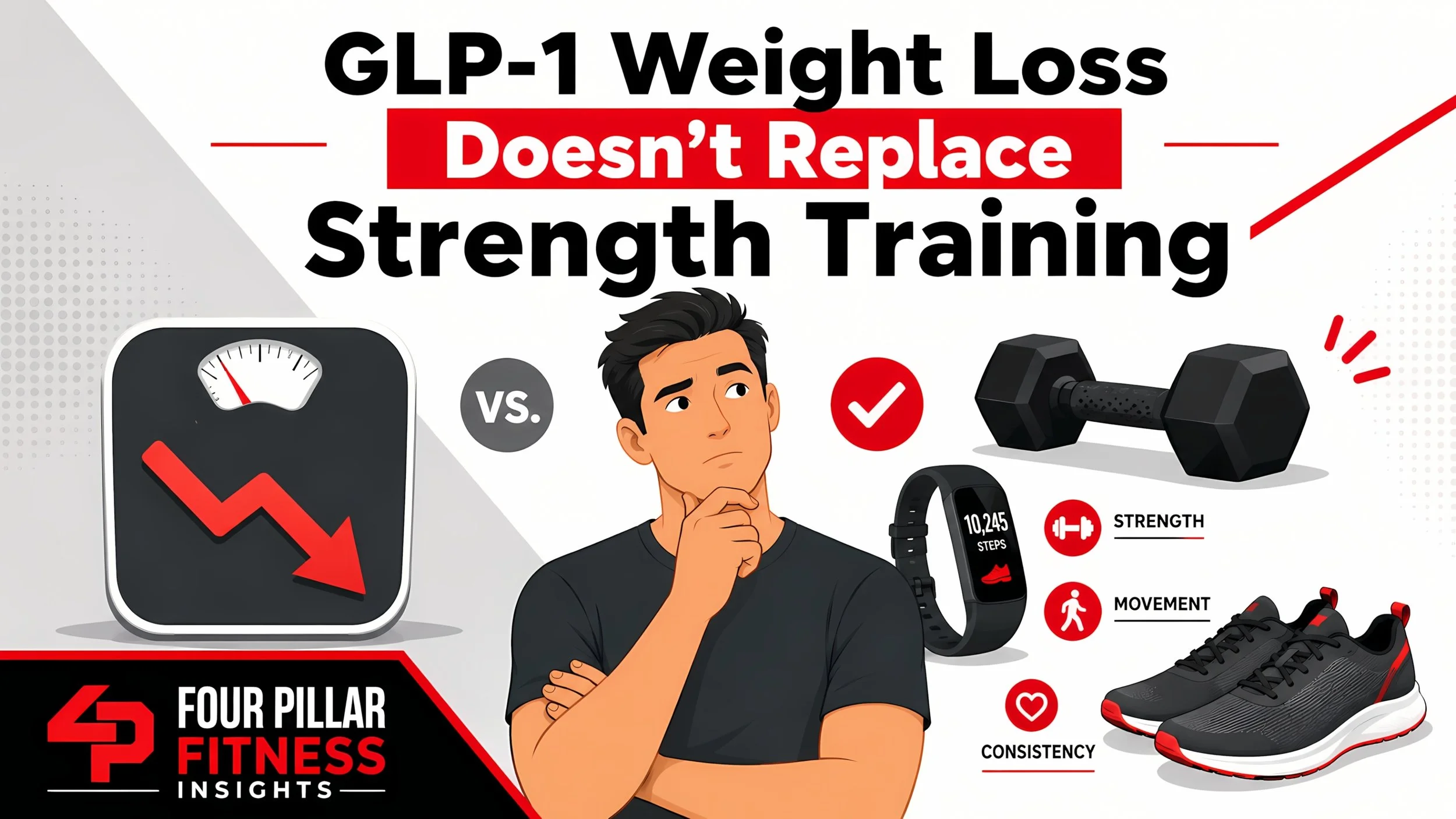
For too long, we have used the bathroom scale as our primary judge of health. It’s a terrible metric. You can lose weight while simultaneously getting metabolically sicker if that weight loss is coming from muscle tissue.
In 2026, it’s time to change the goalpost. Shifting your focus from "losing fat" to "building muscle" changes everything. It changes how you eat, how you train, and how you view your aging body. Muscle mass is the only retirement fund that pays out daily dividends in energy, capability, and metabolic resilience.
Start making your deposits today. Your future self is counting on it.
If you look ahead to your 80th birthday, what is one physical activity or 'functional feat' you want to still be doing with ease? Leave a comment below.
Stephan Earl is a NASM Certified Personal Trainer, Nutrition Coach, and Corrective Exercise Specialist dedicated to helping people build lasting strength and mobility at every age. With a focus on practical, sustainable fitness, he combines science-based training with mindful movement and nutrition.
He's the author of Yoga Strong: 100 Asanas for Strength of Body and Mind and the forthcoming book The Four Pillars of Fitness: A Simple, Science-Backed System For Strength and Longevity, which explores how to stay strong, flexible, and energized for life. His mission is to help others move better, feel better, and live fully at every stage of their fitness journey.
Learn More
Four Pillar Fitness is built on one clear idea. Strength, Mobility, Nutrition, and Recovery work together to keep you strong and independent at every age. To dive deeper into each pillar visit 4PFitness.com.
References
Skeletal muscle as an endocrine organ (Myokines): Pedersen, B. K. (2013). Muscle as a secretory organ. Comprehensive Physiology, 3(3), 1337-1362. This foundational review establishes the role of muscles in secreting myokines that mediate responses to exercise and influence metabolism and inflammation in other organs.
Muscle's role in glucose disposal: DeFronzo, R. A., & Tripathy, D. (2009). Skeletal muscle insulin resistance is the primary defect in type 2 diabetes. Diabetes Care, 32(suppl 2), S157-S163. This research highlights that skeletal muscle is the principal site for insulin-stimulated glucose uptake and storage.
Sarcopenia statistics and definitions: Santilli, V., Bernetti, A., Mangone, M., & Paoloni, M. (2014). Clinical definition of sarcopenia. Clinical Cases in Mineral and Bone Metabolism, 11(3), 177. This paper reviews the definitions and clinical implications of age-related muscle loss.
Grip strength as a mortality predictor: Leong, D. P., et al. (2015). Prognostic value of grip strength: findings from the Prospective Urban Rural Epidemiology (PURE) study. The Lancet, 386(9990), 266-273. This large-scale international study established reduced grip strength as a key predictor of mortality and cardiovascular disease.
Protein thresholds and Leucine: Norton, L. E., & Layman, D. K. (2006). Leucine regulates translation initiation of protein synthesis in skeletal muscle after exercise. The Journal of Nutrition, 136(2), 533S-537S. This research discusses the unique role of the branched-chain amino acid leucine in stimulating muscle protein synthesis and the concept of a threshold dose to trigger this mechanism.

Gear up with fitness-inspired apparel, drinkware, journals, instant downloads, and a little gym and coach humor for the people who train hard, recover smart, and still know how to laugh between sets.
Shop the 4P Fitness Pro Shop and find something that fits your fitness life.


The 4P Fitness Pro Shop Gift Card is a simple, flexible gift for lifters, athletes, coaches, clients, and everyday warriors. Available from $25 to $200, it lets them choose apparel, drinkware, fitness gear, books, journals, or other 4P Fitness favorites. No sizing guesswork. No color worries. Just motivation they can pick for themselves.
Features
Available in denominations from $25 to $200
Redeemable toward eligible products in the 4P Fitness Pro Shop
Great for apparel, drinkware, fitness accessories, books, journals, and more
Perfect for athletes, gym lovers, coaches, clients, and fitness-minded friends
A flexible gift option for holidays, birthdays, milestones, and special occasions
No physical product required, making it easy to send and easy to use