

The Fitness Burnout Problem: Why Training Right Can Still Leave You Tired, Sore, and Unmotivated
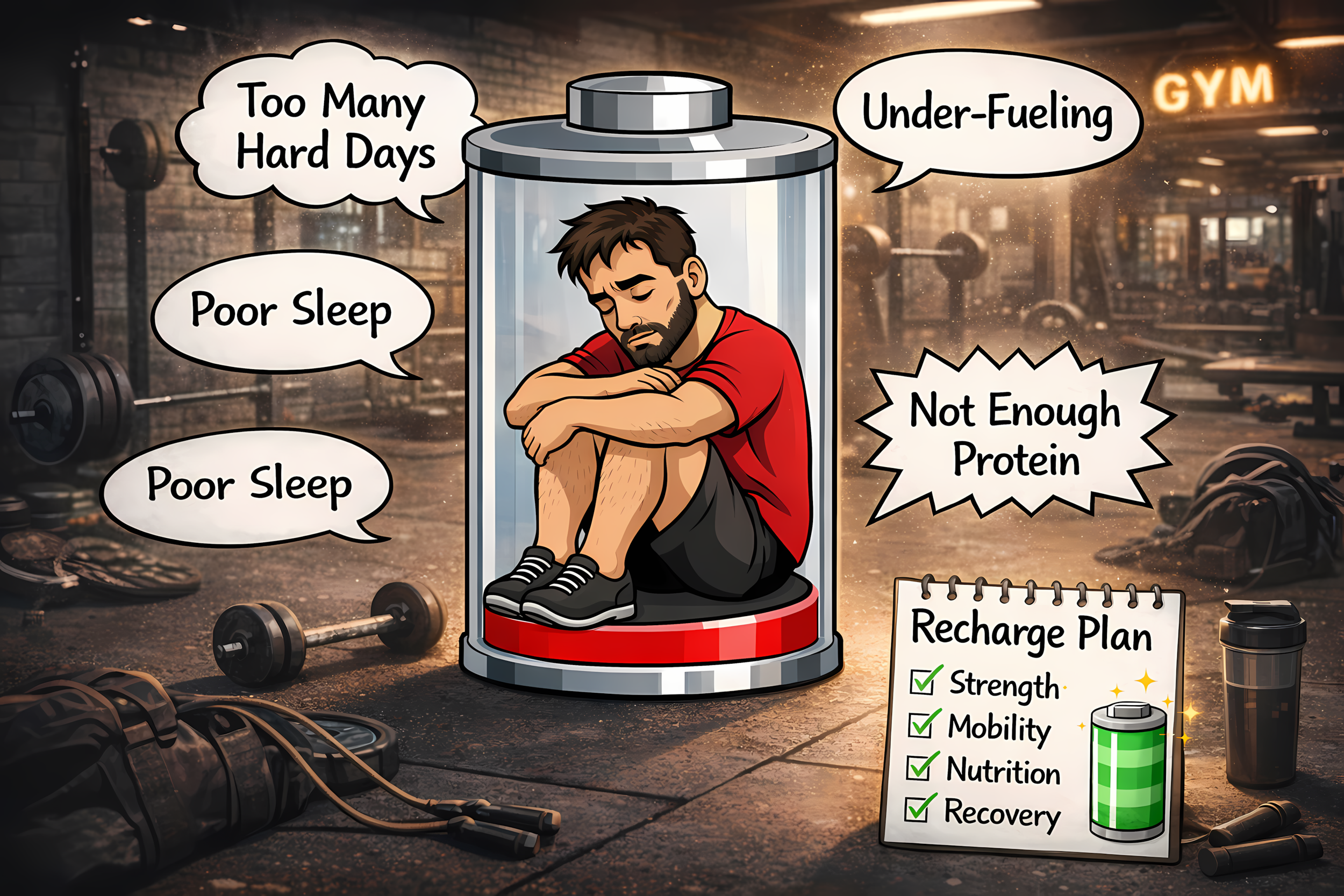
Last year I had one of those weeks where everything looked perfect on paper. I lifted four days. I hit my cardio. I even did mobility work. But by Thursday, my body felt like wet concrete. My warm-up sets felt heavy. My mood was off. I caught myself thinking, “What’s wrong with me? I’m doing everything correctly.”
Nothing was “wrong” with me. I was just burnt out. Not in the dramatic, fall-on-the-floor way. The quiet way. The kind most people do not talk about because it does not feel like an injury. It feels like you lost your spark.
Burnout Is Not Laziness
A lot of people are quietly saying the same things:
“I’m sore all the time.”
“I’m tired even when I sleep.”
“My motivation is gone.”
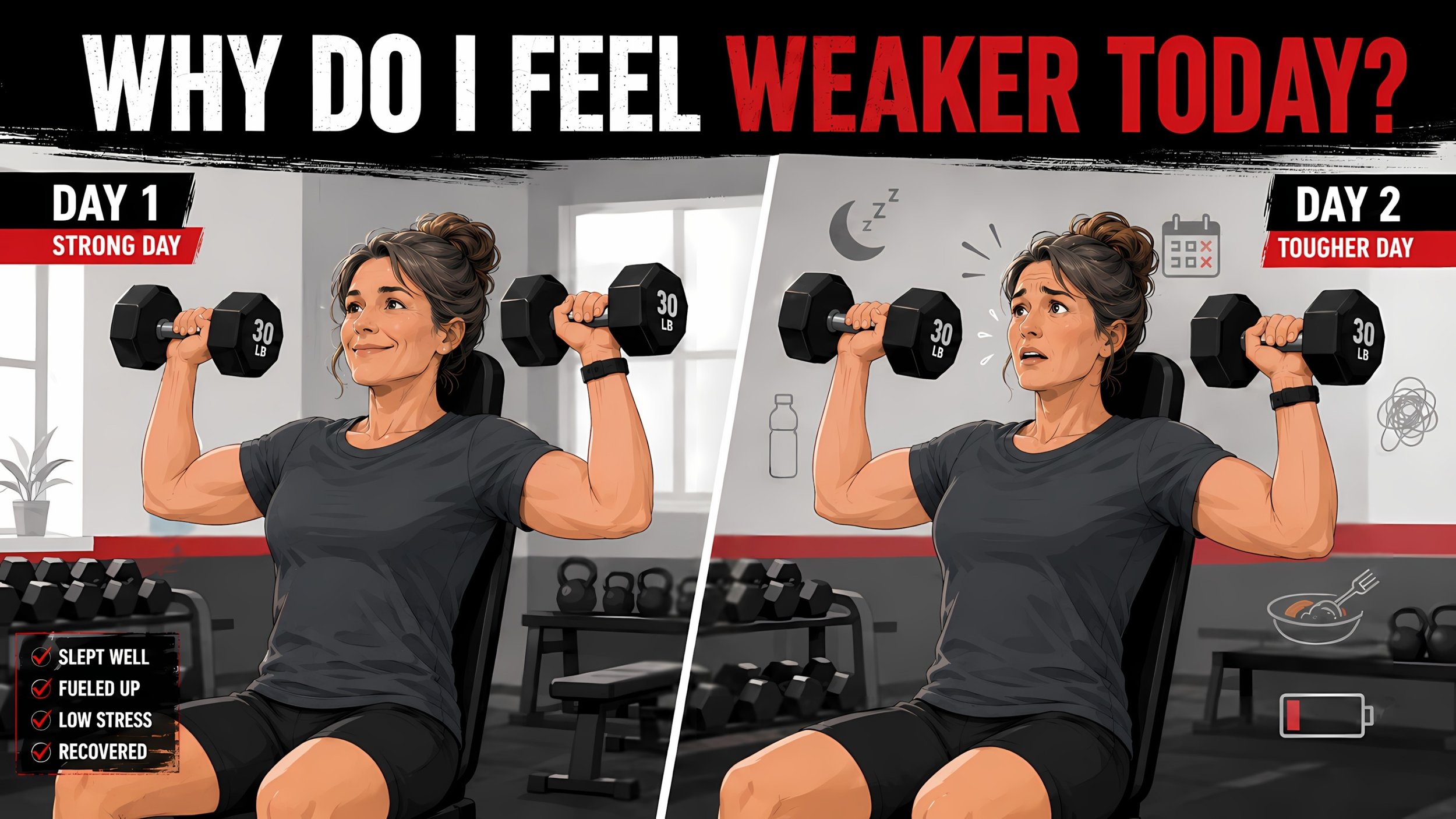
“My workouts feel harder than they should.”
Here’s the sneaky part. You can do the “right” program and still stack too much stress.
Sports science talks about the balance between training stress and recovery. When stress stays high and recovery stays low, performance can drop. A short dip can be normal (functional overreaching). If it goes on too long, it can slide into nonfunctional overreaching, and in rare cases, overtraining syndrome. That is why early warning signs matter.
The Real Causes Behind “I’m Fried”
Most burnout is not one mistake. It is usually a combo of three things.
1) Nervous System Fatigue
Your nervous system is the command center. It helps you recruit muscle, coordinate movement, and push intensity.
When you are under-recovered, the system can stay in “go mode” longer than it should. Some people track signals like resting heart rate, heart-rate recovery, and heart rate variability (HRV). These can give clues about stress and recovery, but they are not perfect.
Your body still gives the clearest clues.
Common signs:
Your normal weights feel heavier
You feel wired at night but tired in the day
Your patience is shorter than usual
Your workouts feel like a grind
2) Too Many Hard Days
This is the big one. A lot of people accidentally train like every day is game day. Heavy lifting. High-intensity intervals. Long cardio. Then they sprinkle in “active recovery” that is secretly another workout.
A simple tool here is Rating of Perceived Exertion (RPE). If most of your week feels like a 7 to 9 out of 10, you are living in the red. Hard training builds you. Too many hard days break you.
3) Under-Fueling and Poor Sleep
This is the burnout multiplier.
If you are not eating enough to match your training, your body has to “borrow” energy from somewhere. In sports medicine, this shows up as low energy availability and the broader syndrome called Relative Energy Deficiency in Sport (RED-S), which can affect women and men.
Then sleep comes in like the final boss. Most adults should aim for at least seven hours of sleep, and many people do best around 7 to 9 hours. When sleep is short for weeks at a time, recovery, mood, and performance usually take the hit.
The Four Pillars Fix
This is where Four Pillar Fitness becomes smart and corrective, not extreme.
Strength: Make Hard Days Earned
A simple rule that works for most people: keep your true hard sessions limited. For many lifters, that lands around 2 to 4 hard sessions per week, depending on experience and life stress.
Then protect the space between those days.
Practical upgrades:
Stop taking every set to failure
Keep 1 to 3 reps in the tank on most sets
Plan a lighter week when fatigue is piling up (many lifters do this every 4 to 8 weeks, or sooner when life is heavy)
Mobility: Use It to Downshift
Mobility should help you recover, not smoke you.
Good mobility days feel like:
easier breathing
looser joints
better range of motion
less stiffness the next morning
Think “downshift,” not “punishment.”
Nutrition: Fuel the Work You Are Demanding
If your goal is fat loss, a small calorie deficit can work. But when the deficit gets aggressive while training stays intense, burnout shows up fast.
Start with these basics:
Eat enough total calories to support training, especially on hard days
Prioritize protein for recovery and muscle maintenance
Do not fear carbs if you train hard
A widely used evidence-based protein range for active people is about 1.4 to 2.0 grams per kilogram of body weight per day.
Recovery: Sleep Is Your Performance Supplement
If you want one habit that pays off quickly, it is sleep.
Keep a consistent bedtime and wake time
Sleep in a dark, cool room
Reduce bright light for 30 to 60 minutes before bed
Set a caffeine cutoff that does not wreck your sleep
You cannot out-train bad sleep. Your body keeps receipts.
Myth Check
Myth: “If you are tired, you just need more discipline.”
Discipline matters. But recovery is part of the job. Burnout is often your body asking for a smarter plan.
Myth: “More soreness means more gains.”
Soreness can happen, especially with new training or more eccentric work. But soreness is a noisy signal. It does not reliably reflect how much muscle damage happened, and it is not a dependable scoreboard for progress.
Myth: “Deloads are for people who are slacking.”
A lighter week is often how consistent lifters stay consistent. The goal is not to do less forever. The goal is to train hard again next week.
A Simple 7-Day Burnout Reset
If you feel run down, try this for one week:
Cut training volume in half (about half the sets)
Keep intensity moderate (no maxing, no failure)
Walk daily (easy pace, 20 to 40 minutes)
Mobility 10 minutes most days (gentle)
Eat like you mean recovery (especially protein and carbs around training)
Prioritize sleep like it is a meeting you cannot miss
Track one thing: how you feel when you wake up
If you bounce back, great. If you do not, it can be a sign you need a longer recovery block. If fatigue is persistent, you are getting sick often, or your mood is crashing, talk with a medical professional.
Putting It All Together
Burnout is usually not one thing. It is a stack of stressors.
Nervous system stress goes up
Hard days pile up
Fuel and sleep do not match the workload
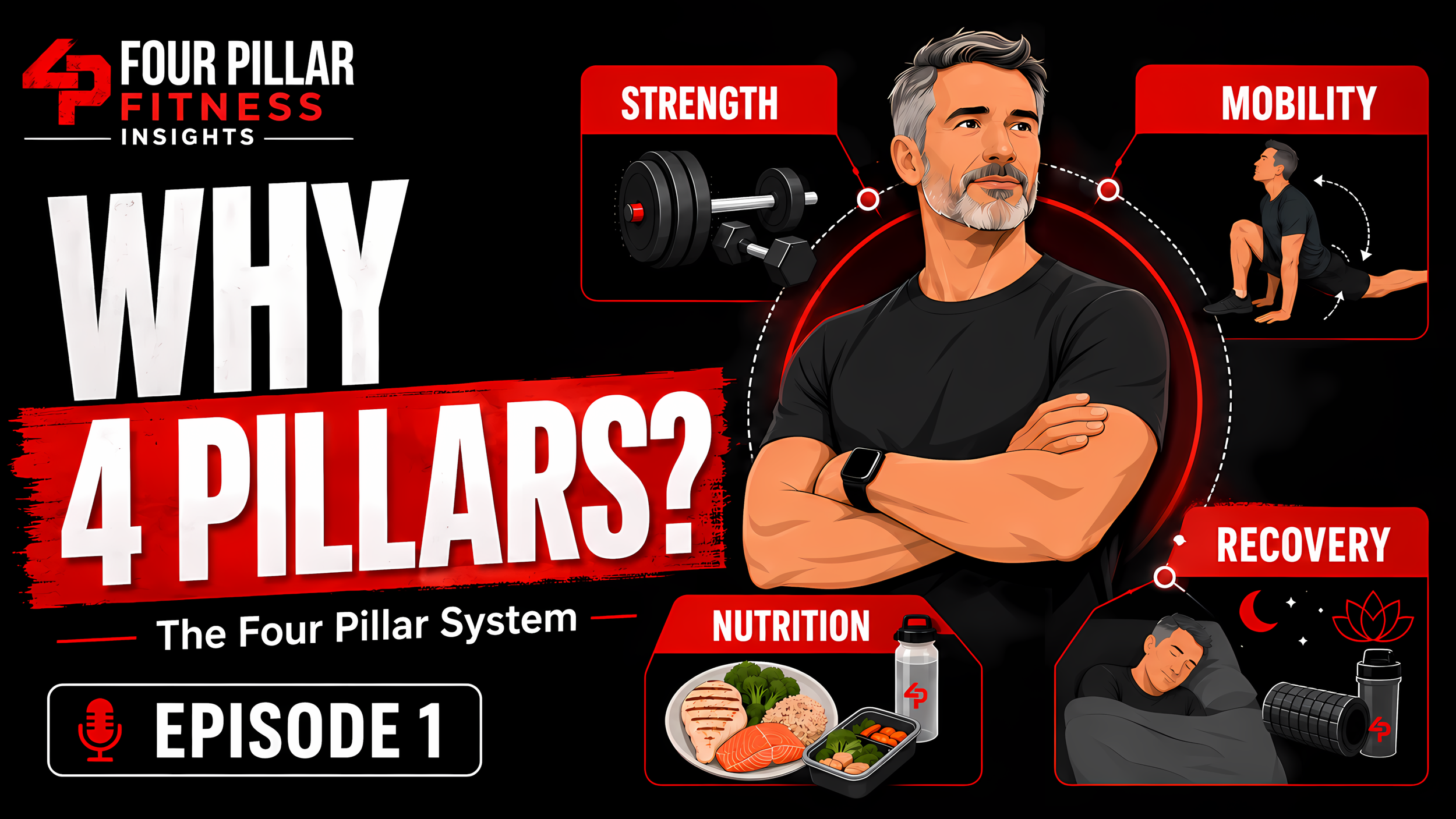
Four Pillar Fitness methodology fixes the root problem by balancing the whole system: training, mobility, nutrition, and recovery.
You don't need a more extreme program. You need a plan you can repeat.
Stephan Earl is a NASM Certified Personal Trainer, Nutrition Coach, and Corrective Exercise Specialist dedicated to helping people build lasting strength and mobility at every age. With a focus on practical, sustainable fitness, he combines science-based training with mindful movement and nutrition.
He's the author of Yoga Strong: 100 Asanas for Strength of Body and Mind and the forthcoming book The Four Pillars of Fitness: A Simple, Science-Backed System For Strength and Longevity, which explores how to stay strong, flexible, and energized for life. His mission is to help others move better, feel better, and live fully at every stage of their fitness journey.
Learn More
Four Pillar Fitness is built on one clear idea. Strength, Mobility, Nutrition, and Recovery work together to keep you strong and independent at every age. To dive deeper into each pillar visit 4PFitness.com.
References
Meeusen, R., Duclos, M., Foster, C., Fry, A., Gleeson, M., Nieman, D., Raglin, J., Rietjens, G., Steinacker, J., and Urhausen, A. (2013). Prevention, diagnosis, and treatment of the overtraining syndrome: Joint consensus statement of the European College of Sport Science and the American College of Sports Medicine. Medicine and Science in Sports and Exercise, 45(1), 186–205.
Mountjoy, M., Ackerman, K. E., Bailey, D. M., Burke, L. M., Constantini, N., Hackney, A. C., et al. (2023). 2023 International Olympic Committee (IOC) consensus statement on Relative Energy Deficiency in Sport (RED-S). British Journal of Sports Medicine, 57(17), 1073–1098.
Watson, N. F., Badr, M. S., Belenky, G., Bliwise, D. L., Buxton, O. M., Buysse, D., et al. (2015). Recommended amount of sleep for a healthy adult: A joint consensus statement of the American Academy of Sleep Medicine and Sleep Research Society. Sleep, 38(6), 843–844.
Jäger, R., Kerksick, C. M., Campbell, B. I., Cribb, P. J., Wells, S. D., Skwiat, T. M., et al. (2017). International Society of Sports Nutrition Position Stand: Protein and exercise. Journal of the International Society of Sports Nutrition, 14, 20.
Halson, S. L. (2014). Monitoring training load to understand fatigue in athletes. Sports Medicine, 44(Suppl 2), S139–S147.
Foster, C., Florhaug, J. A., Franklin, J., Gottschall, L., Hrovatin, L. A., Parker, S., Doleshal, P., and Dodge, C. (2001). A new approach to monitoring exercise training. Journal of Strength and Conditioning Research, 15(1), 109–115.
Nosaka, K., Clarkson, P. M., McGuiggin, M. E., and Byrne, J. M. (2002). Time course of muscle soreness and damage after eccentric exercise. Medicine and Science in Sports and Exercise, 34(5), 789–795.

Gear up with fitness-inspired apparel, drinkware, journals, instant downloads, and a little gym and coach humor for the people who train hard, recover smart, and still know how to laugh between sets.
Shop the 4P Fitness Pro Shop and find something that fits your fitness life.
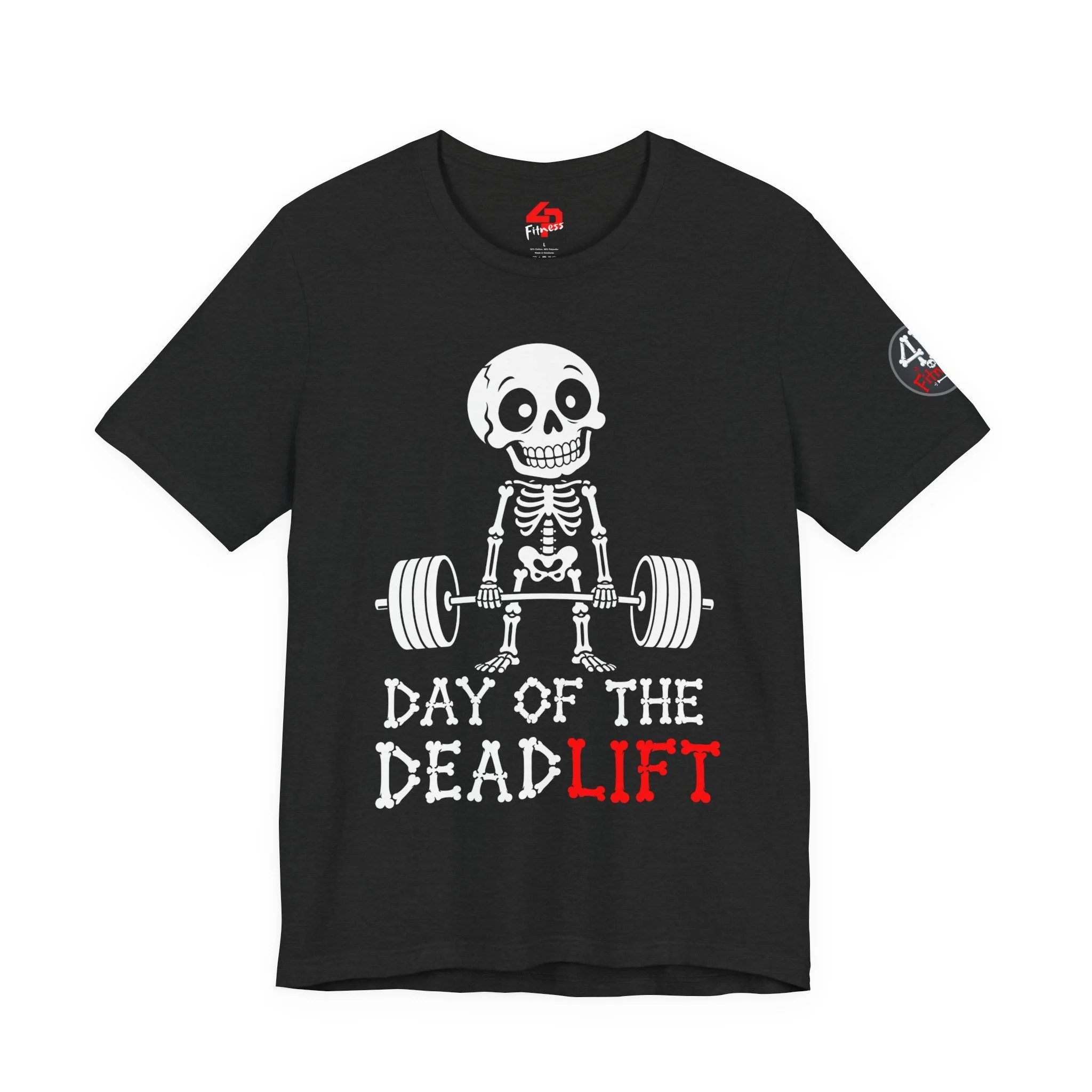
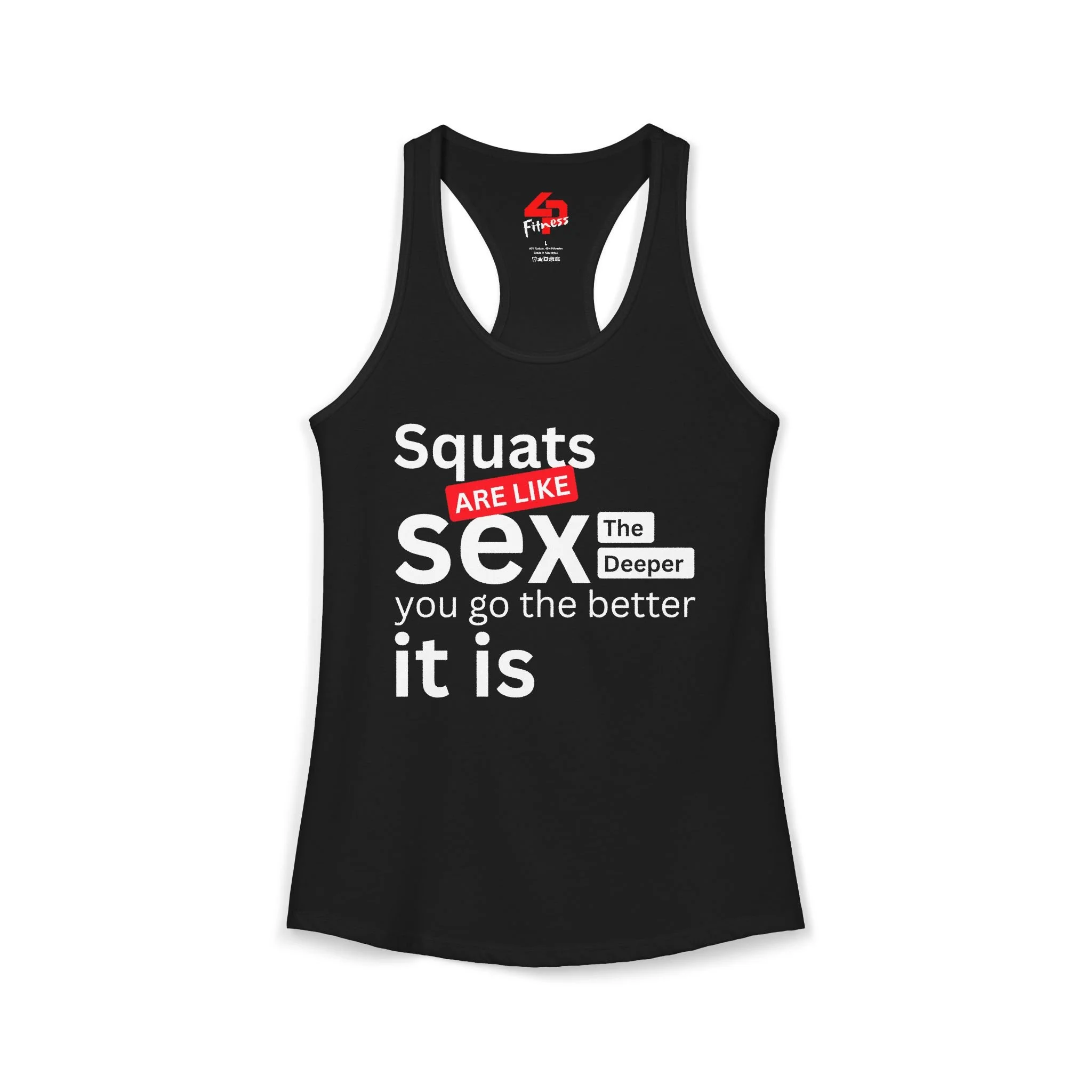
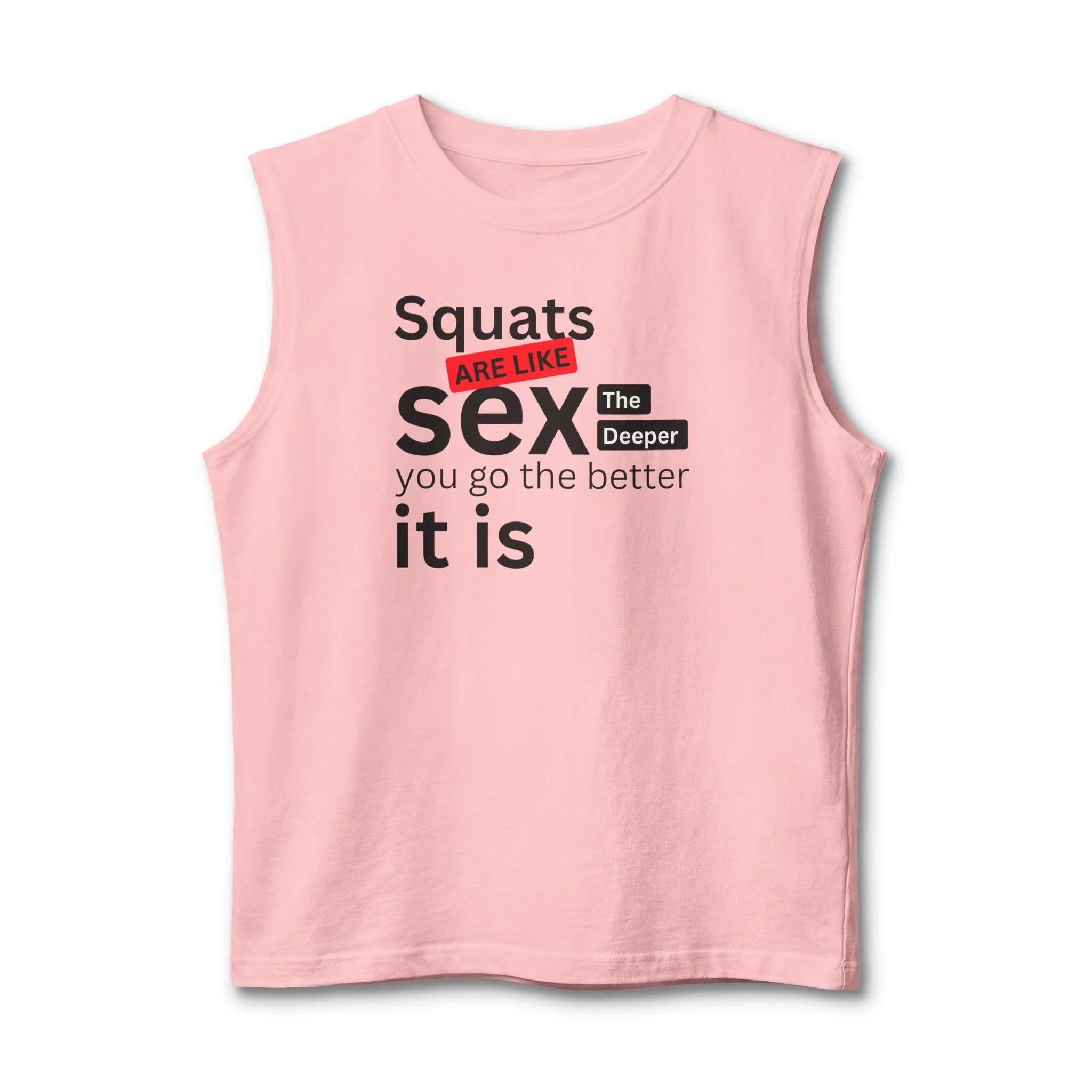
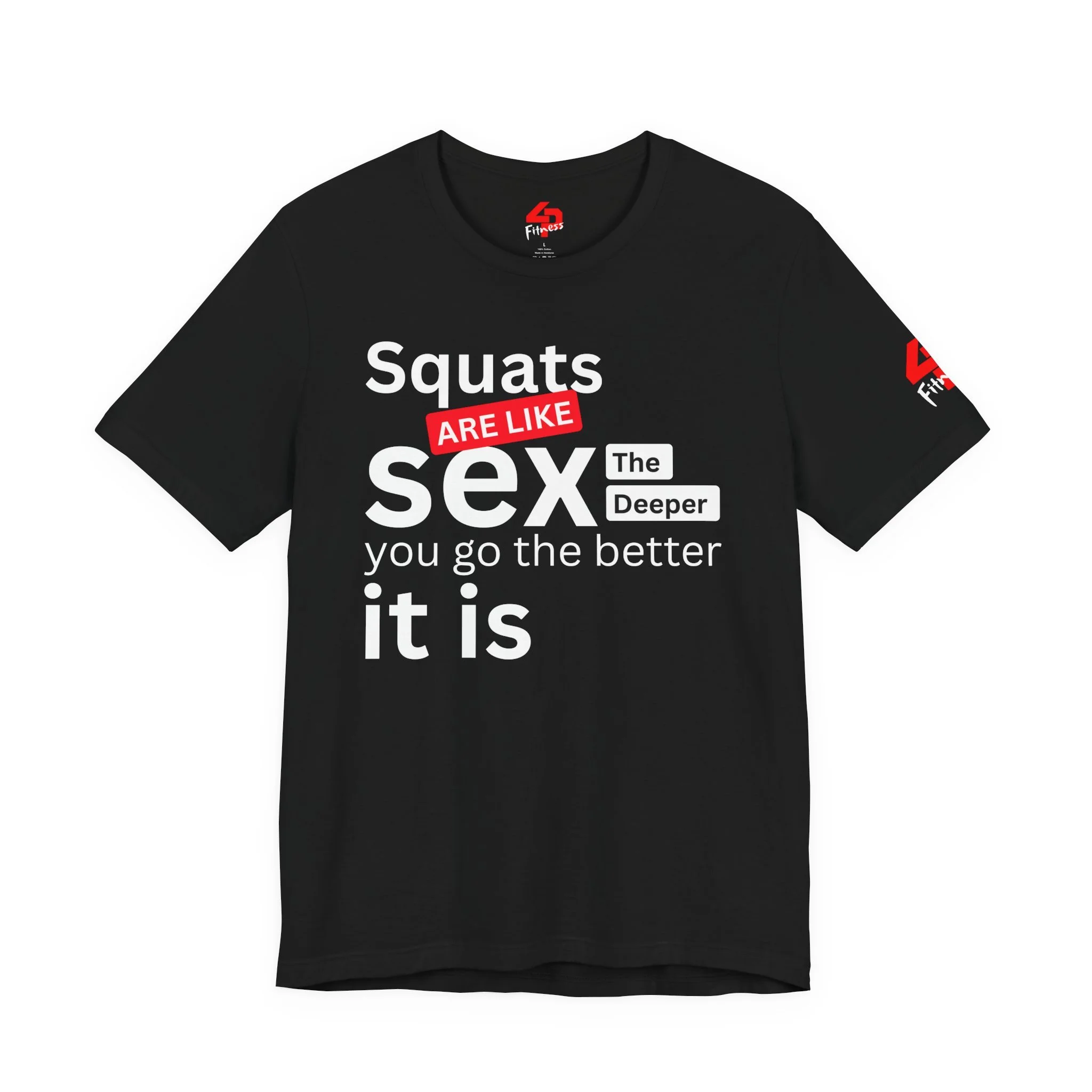



The 4P Fitness Pro Shop Gift Card is a simple, flexible gift for lifters, athletes, coaches, clients, and everyday warriors. Available from $25 to $200, it lets them choose apparel, drinkware, fitness gear, books, journals, or other 4P Fitness favorites. No sizing guesswork. No color worries. Just motivation they can pick for themselves.
Features
Available in denominations from $25 to $200
Redeemable toward eligible products in the 4P Fitness Pro Shop
Great for apparel, drinkware, fitness accessories, books, journals, and more
Perfect for athletes, gym lovers, coaches, clients, and fitness-minded friends
A flexible gift option for holidays, birthdays, milestones, and special occasions
No physical product required, making it easy to send and easy to use