

Sleep Like an Athlete: How Better Sleep Builds Strength And Burns Fat
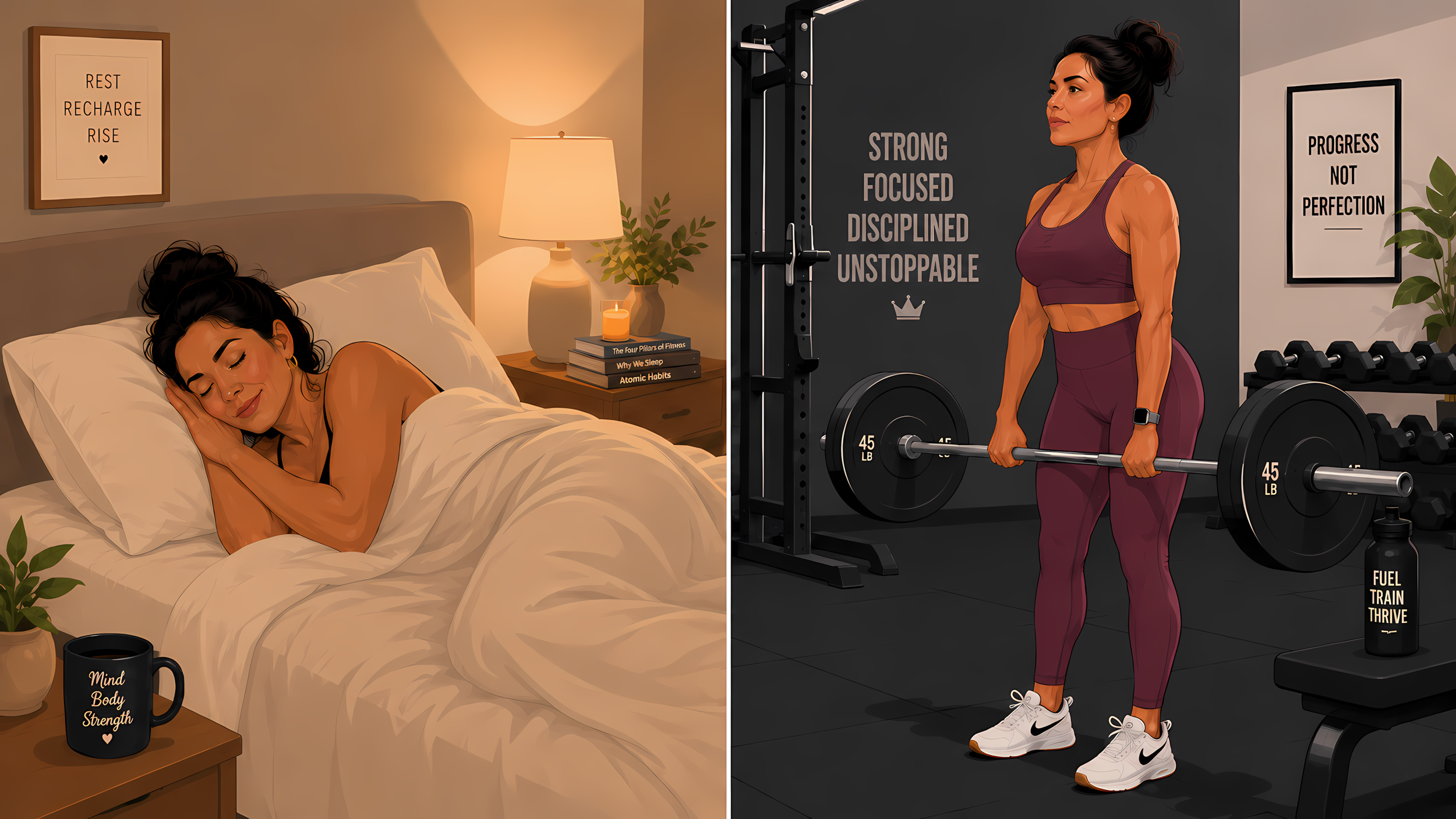
You train hard. You try to eat better. You track your steps and maybe even your macros. Yet you still feel tired, your muscles stay sore, and the belly fat around your waist seems to ignore the plan.
For many people, the missing piece is not another workout. It is sleep.
When you start to treat sleep like an athlete treats practice and recovery, everything else in your program works better. Your muscles repair, your hormones settle into balance, and your appetite becomes easier to manage. You do not need to turn into a biohacker. You just need to give your body the basic rest it needs.
This article will show you how.
Why Sleep Is A Hidden Fitness Pillar
Most people think muscles grow in the gym. The truth is that muscles grow when you recover from what you did in the gym. That recovery happens the most while you sleep.
During a solid night of sleep, your body:
Repairs tiny tears in your muscle fibers from training.
Releases growth hormone that supports muscle, bone, and healthy fat distribution.
Calms stress hormones like cortisol.
Resets hunger and fullness signals.
When sleep is short or poor, the opposite happens. Recovery slows, stress stays high, and your appetite and cravings can increase. Over time, this mix can lead to stalled strength gains and more body fat, especially around the belly.
Experts generally recommend that most adults get about seven to nine hours of sleep per night to support health and muscle recovery.






Sleep And Strength: How Muscles Actually Grow
Every time you lift a weight, you send a message to your muscles. The real building happens later, when your body repairs and strengthens those muscle fibers.
Deep sleep is a key part of that process. During deep, non REM sleep, the pituitary gland releases pulses of growth hormone. Growth hormone helps with:
Muscle repair and growth.
Bone strength.
Healthy fat and blood sugar control.
Recent research in both athletes and adults shows that poor or short sleep can blunt muscle protein synthesis and increase protein breakdown. Over time, that can mean slower gains and even loss of muscle mass, over time.
Good sleep also protects your joints. When muscles recover well, they support and stabilize the joints around them. This can lower the risk of nagging overuse injuries.
Think of it this way. Strength training is the stimulus. Protein and nutrition are the building blocks. Sleep is the construction crew that actually does the work.
Sleep, Hormones, And Belly Fat
Many people feel like fat around the waist is the hardest to lose. Sleep is one reason why.
Cortisol and Stress
Cortisol is a stress hormone that helps you wake up and respond to daily demands. It is not always bad. The problem comes when cortisol stays high for long periods of time.
Chronic stress and too little sleep can keep cortisol elevated. Higher cortisol levels are linked to more fat storage around the abdomen instead of under the skin. This deep internal fat around the organs is called visceral fat and is more strongly tied to heart disease and diabetes risk.
Hunger hormones and cravings
Two hormones, leptin and ghrelin, help regulate hunger and fullness.
Leptin helps signal fullness.
Ghrelin helps trigger hunger.
Studies have found that short sleep is linked to lower leptin and higher ghrelin in many people. That mix can increase appetite and cravings, especially for high calorie, high sugar foods. Over time, this makes it much easier to gain weight and much harder to lose it.
Insulin and fat storage
Sleep also affects how well your body handles blood sugar. Poor sleep can reduce insulin sensitivity. When this happens, your body has a harder time moving sugar from your blood into your cells. The extra energy is more likely to be stored as fat.
Put together, too little sleep can:
Increase hunger and cravings.
Make you more likely to snack at night.
Shift fat toward the belly area.
The good news is that improving sleep can help reverse some of these trends.
Nutrition And Sleep: A Two Way Street
Sleep and nutrition are tightly linked. What you eat affects how you sleep. How you sleep affects how you eat.
How food affects sleep
Heavy meals right before bed can disrupt sleep and cause heartburn.
Alcohol might make you feel sleepy at first but it often reduces deep sleep and causes more wake ups.
Large amounts of sugar late at night can lead to blood sugar spikes and crashes that wake you up.
On the positive side:
Eating enough total calories, including adequate protein, helps keep blood sugar more stable overnight.
A light protein rich snack, like Greek yogurt or cottage cheese, can provide amino acids for muscle repair while you sleep.
How sleep affects food choices
When you are sleep deprived, you are more likely to:
Crave high sugar, high fat, salty foods.
Snack more often.
Feel less control over portion sizes.
Over time, this can easily push you into a calorie surplus, even if your meals seem similar. For clients focused on fat loss and strength, protecting sleep is one of the simplest ways to keep nutrition on track.
Simple Sleep Upgrades For Real Life
You do not need a perfect routine or fancy gadgets to improve your sleep. The goal is progress, not perfection, especially if you have a busy job, kids, or other stress.
Here are practical upgrades you can start this week.
1. Set a consistent wake time
Pick a wake up time you can keep most days, including weekends. Your body loves rhythm. A steady wake time helps reset your internal clock, which can make it easier to fall asleep at night.
2. Create a 10 to 20 minute wind down
About an hour before bed, start to slow down.
Good options include:
Light stretching or yoga.
Reading a physical book.
Calm music or a short guided meditation.
Try to avoid urgent email, intense work, or heated arguments close to bedtime.
3. Tidy up your sleep environment
Small changes can make a big difference.
Keep your bedroom cool, dark, and quiet if possible.
Use curtains or a sleep mask to block light.
Consider simple earplugs or white noise if noise is an issue.
4. Set simple screen rules
Bright screens close to your eyes tell your brain that it is daytime. Try one of these options:
No phones or tablets in bed.
Turn on night mode in the evening to reduce blue light.
Set a personal "screens off" time 30 to 60 minutes before bed when possible.
Do what fits your life. Even a small cut in late night scrolling is a win.
5. Watch caffeine and late night drinks
Caffeine can stay in your system for many hours.
For most people, it helps to avoid caffeine within six hours of bedtime.
If you are sensitive, move your last coffee or tea even earlier.
Also, try to limit large amounts of fluid in the last 60 to 90 minutes before bed. This can reduce bathroom trips that wake you up.
6. Support your joints
If you lift or stay active, joint comfort matters at night.
Use a pillow between your knees if you sleep on your side.
Try a small pillow under your knees if you sleep on your back.
Replace old mattresses or pillows that leave you sore if your budget allows.
Your goal is simple. Wake up with less stiffness and less pain.
Training Adjustments When Sleep Is Low
Even with the best routine, there will be nights when sleep is short. Instead of ignoring this, you can learn to adjust your training.
Here are some simple coach style rules you can use.
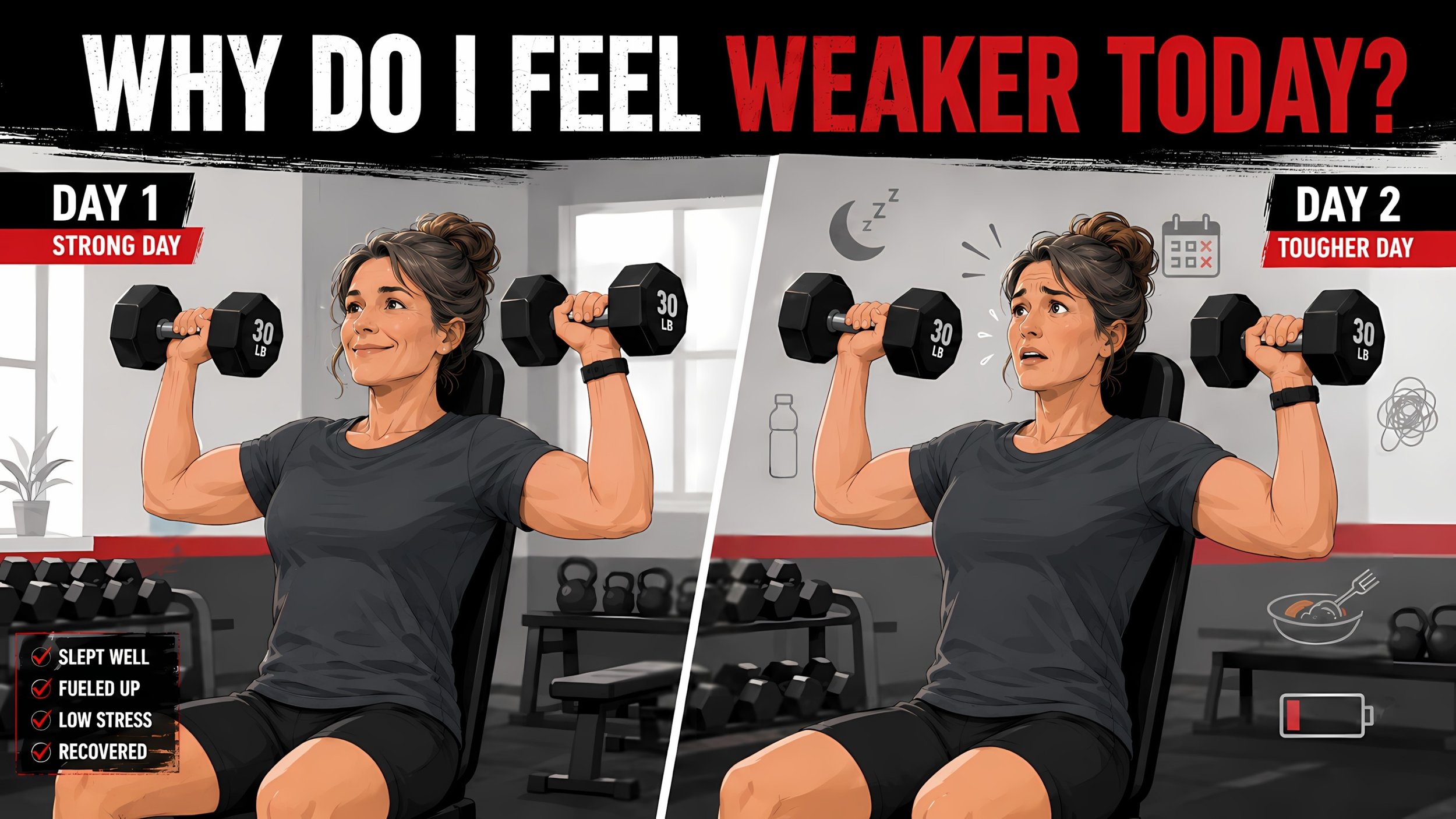
If you slept less than six hours and feel worn down, shift heavy lifting to a lighter day or later in the week.
Use that day for technique work, mobility, or easy Zone 2 style cardio instead of maximal effort.
Focus more on form and less on weight when you are tired.
Never feel guilty for choosing an early night over another gym session when your body clearly needs rest.
Over time, this approach helps you stay consistent, avoid injury, and keep your nervous system in balance.
Putting It All Together: Sleep As A Fitness Multiplier
Think of sleep as a multiplier for everything else you do.
Strength training gives your body a reason to adapt.
Smart nutrition gives your body the raw materials to build and repair.
Quality sleep tells your body it is safe to grow stronger and leaner.
When you start to sleep more like an athlete, you do not just feel better. Your training sessions improve. Your hunger is easier to manage. Your risk of belly fat and chronic disease can go down.
You do not have to be perfect. Start with the basics. Protect your sleep window. Create a simple wind down. Make small training adjustments on low sleep days. Over the next few weeks, pay attention to how your mood, strength, and waistline respond.
Your body keeps score. Let sleep work for you, not against you.
What is one simple change you are willing to make this week to improve your sleep and support your strength and fat loss goals?
Four Pillar Fitness Insights Podcast Episode 3. Sleep Like an Athlete: Recovery Habits that Help Training Work Better
Stephan Earl is a NASM Certified Personal Trainer, Nutrition Coach, and Corrective Exercise Specialist dedicated to helping people build lasting strength and mobility at every age. With a focus on practical, sustainable fitness, he combines science-based training with mindful movement and nutrition.
He's the author of Yoga Strong: 100 Asanas for Strength of Body and Mind and the forthcoming book The Four Pillars of Fitness: A Simple, Science-Backed System For Strength and Longevity, which explores how to stay strong, flexible, and energized for life. His mission is to help others move better, feel better, and live fully at every stage of their fitness journey.
Learn More
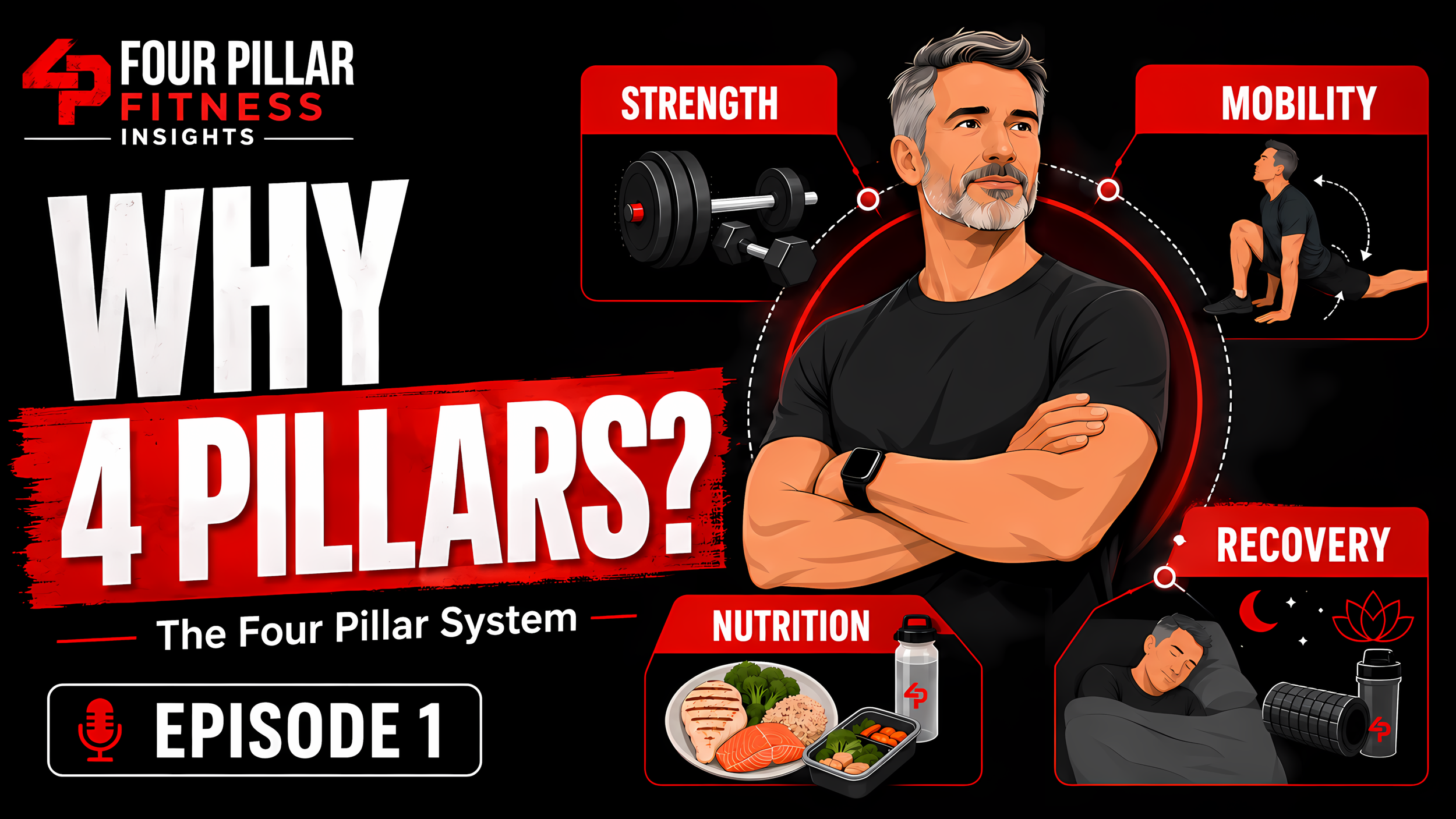
Four Pillar Fitness is built on one clear idea. Strength, Mobility, Nutrition, and Recovery work together to keep you strong and independent at every age. To dive deeper into each pillar visit 4PFitness.com.
References
Lamon S, et al. "The effect of acute sleep deprivation on skeletal muscle protein synthesis and hormonal environment." Experimental Physiology. 2021.
Erlacher D, et al. "Sleep and muscle recovery. Current concepts and empirical evidence." Current Issues in Sport Science. 2023.
St Onge M P. "The role of sleep duration in the regulation of energy balance." Journal of Clinical Sleep Medicine. 2013.
Taheri S, et al. "Short sleep duration is associated with reduced leptin, elevated ghrelin, and increased body mass index." PLOS Medicine. 2004.
Covassin N, et al. "Effects of experimental sleep restriction on energy intake, energy expenditure, and visceral obesity." Journal of the American College of Cardiology. 2022.
Mayo Clinic News Network. "Lack of sleep increases unhealthy abdominal fat." 2022.
Figorilli M, et al. "Obesity and sleep disorders: A bidirectional relationship." Sleep Medicine Reviews. 2025.
More Health & Fitness Insights…
Visit the 4P Fitness PRO Shop
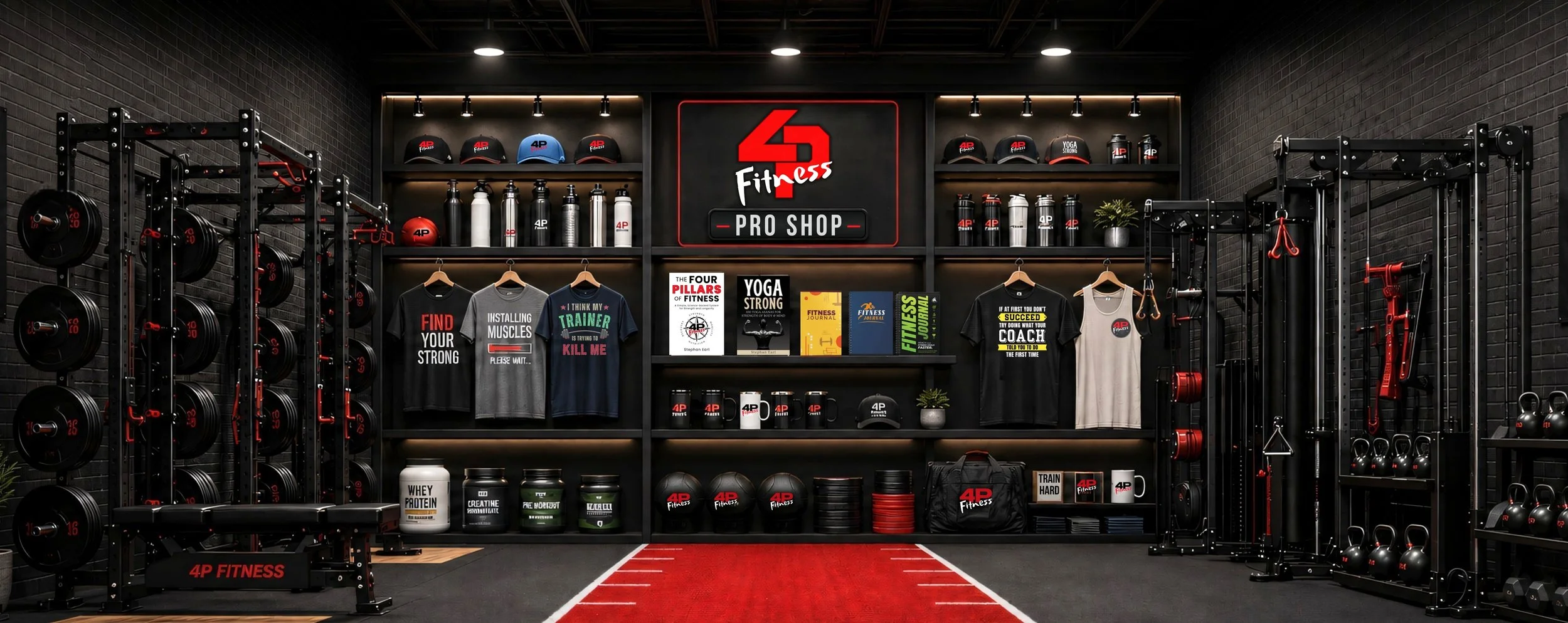
Gear up with fitness-inspired apparel, drinkware, journals, instant downloads, and a little gym and coach humor for the people who train hard, recover smart, and still know how to laugh between sets.
Shop the 4P Fitness Pro Shop and find something that fits your fitness life.

The 4P Fitness Pro Shop Gift Card is a simple, flexible gift for lifters, athletes, coaches, clients, and everyday warriors. Available from $25 to $200, it lets them choose apparel, drinkware, fitness gear, books, journals, or other 4P Fitness favorites. No sizing guesswork. No color worries. Just motivation they can pick for themselves.
Features
Available in denominations from $25 to $200
Redeemable toward eligible products in the 4P Fitness Pro Shop
Great for apparel, drinkware, fitness accessories, books, journals, and more
Perfect for athletes, gym lovers, coaches, clients, and fitness-minded friends
A flexible gift option for holidays, birthdays, milestones, and special occasions
No physical product required, making it easy to send and easy to use