

Menopause Needs Muscle: Why Strength Training Matters More Now
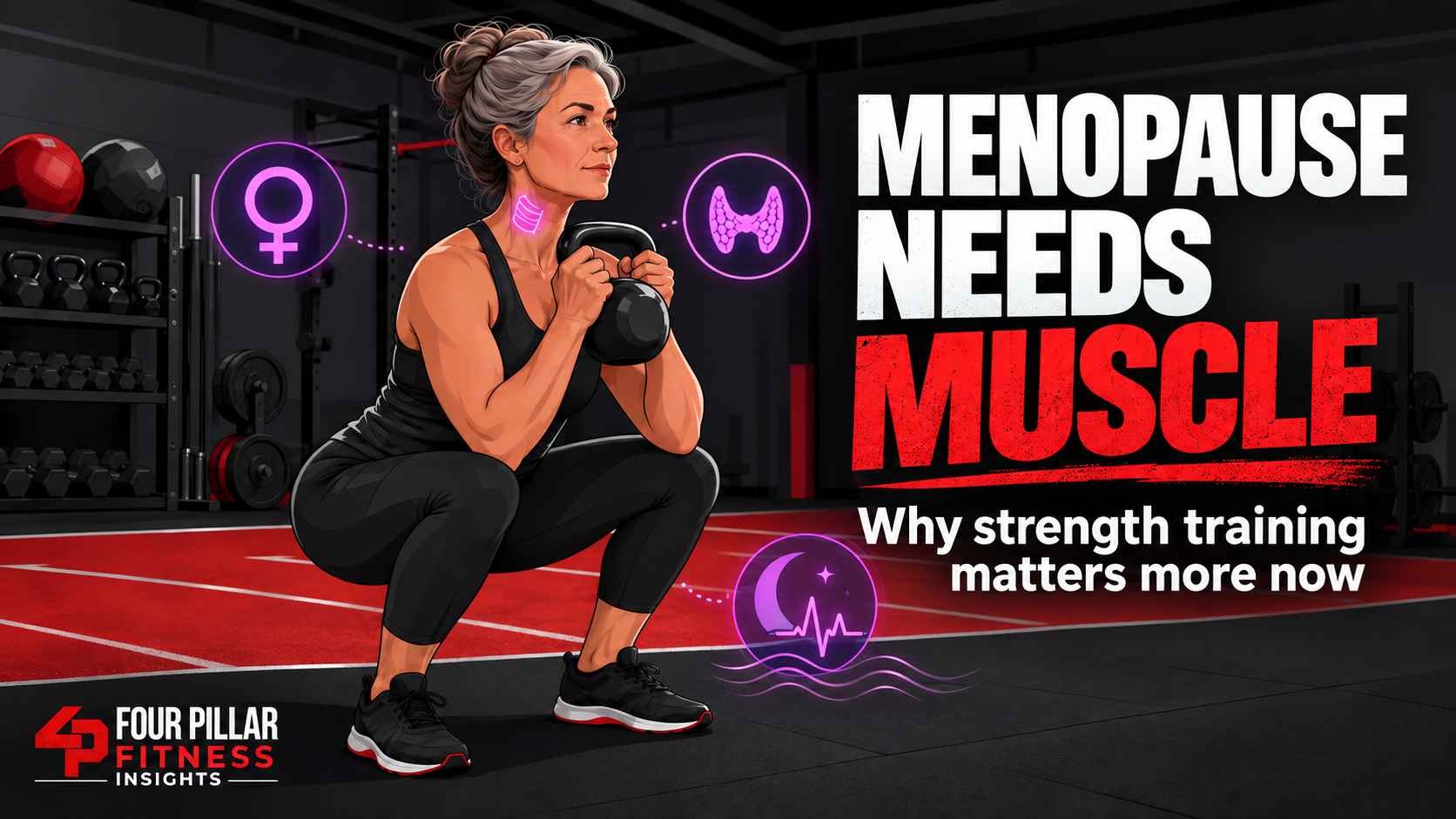
If you’re a woman going through perimenopause or menopause and your body no longer seems to respond the way it did in your 30s, that can be frustrating. You may be training consistently, eating reasonably well, and doing many of the same things that used to work, but the results feel slower, recovery feels different, and your body composition may be changing in ways you didn’t expect.
I see this with several women I coach who are currently in perimenopause or menopause. Their experiences are not identical, but the pattern is familiar: the old approach does not always fit the same way anymore. That does not mean the body has stopped responding. It means this is a good time to put more emphasis on strength training, muscle preservation, protein, recovery, and the parts of the plan you can still influence.
Then comes the avalanche of advice. Do more cardio. Eat less. Stop lifting heavy. Try this supplement. Fix your hormones. Avoid that food. Start this protocol.
As a strength and nutrition coach, I’m not here to diagnose hormone problems or tell women how to medically manage menopause. Those conversations belong with qualified healthcare professionals. My role is to help clients make better decisions about training, nutrition, recovery, and the habits they can control.
That’s where the message gets much simpler. Hormonal changes during perimenopause and menopause are associated with changes in muscle, bone, body composition, and recovery, but women are not powerless. Strength training, adequate protein, smart recovery, and consistency remain some of the most useful tools available.
Strength Training Deserves a Bigger Role
Muscle does a lot more than change how your body looks. It supports strength, physical function, balance, glucose control, and your ability to stay capable as you get older. It helps you climb stairs, lift luggage, carry groceries, get up from the floor, and continue doing the things you enjoy.
A 2026 review looked at menopause, female sex hormones, and skeletal muscle. The authors found that lean or muscle mass tends to be lower across the menopausal transition, but they were also careful to point out that menopause itself has not been proven to directly cause sarcopenia. Aging, activity level, nutrition, health status, and other factors all play a role.
That matters because I don’t want women hearing that menopause automatically means muscle loss and decline. That’s too simplistic and doesn’t reflect how trainable the body remains during this stage of life.
The better message is that muscle matters more now, so give your body a reason to keep it.
A 2023 systematic review and meta-analysis of randomized controlled trials found that exercise improved lean body mass and strength in menopausal women, with resistance training playing an important role. From a coaching standpoint, the goal is not simply to exercise. The goal is to train progressively by using resistance that is appropriately challenging and gradually increasing the demand as strength and ability improve.
Cardio Is Helpful, but It’s Not the Whole Plan
One pattern I often see is women responding to midlife weight gain by doing more cardio. That makes sense because we’ve spent decades hearing that if weight goes up, we just need to burn more calories.
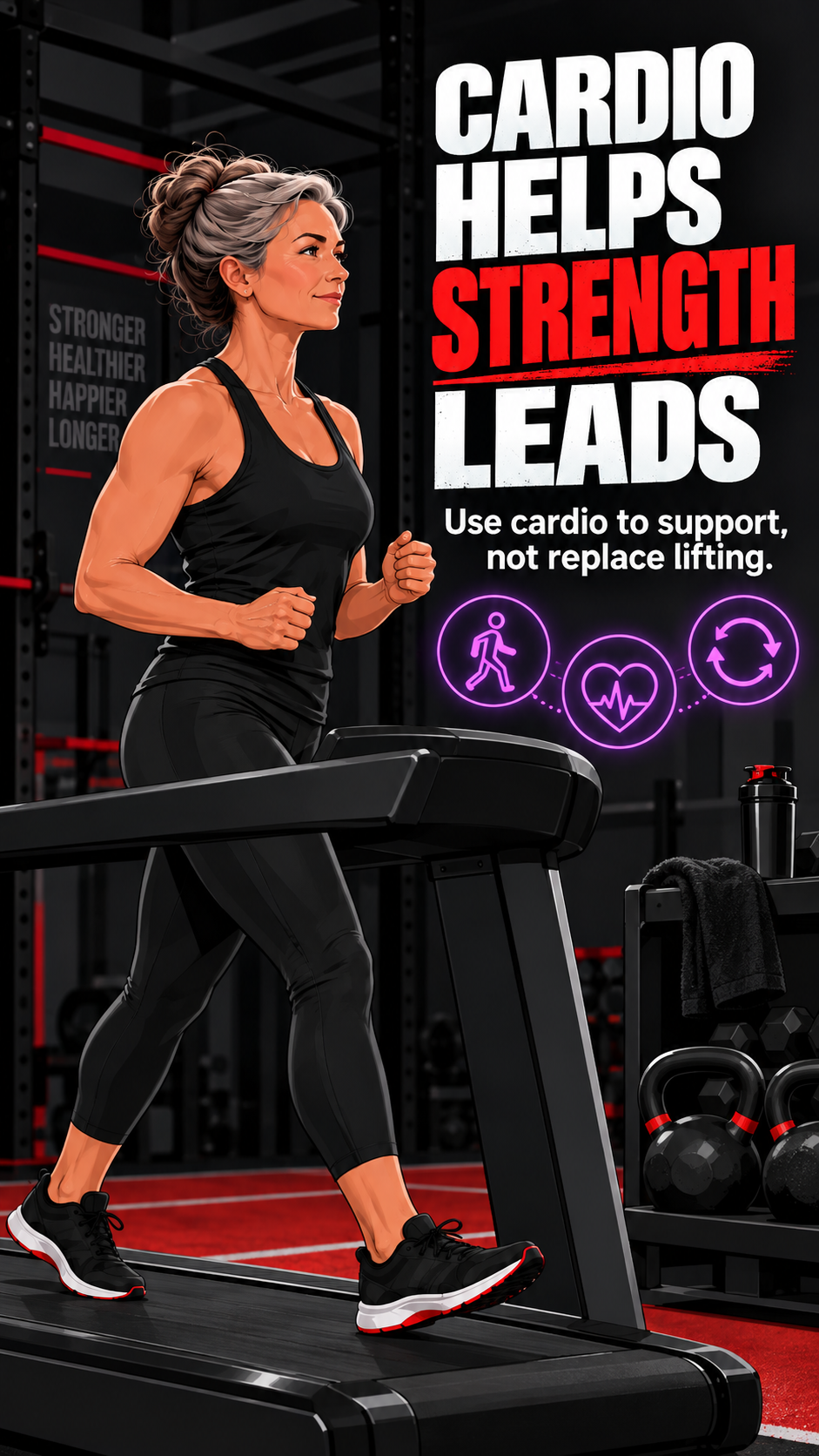
I’m not anti-cardio. Walking is one of the easiest health-promoting habits available, and cardiovascular fitness matters. But if preserving muscle, building strength, supporting bone, and improving body composition are priorities, cardio cannot do the whole job.
Resistance training creates a different stimulus. It asks muscle to produce force against resistance, and over time that provides a reason for the body to adapt.
For many of my clients in this age group, I’d rather see two or three purposeful strength sessions each week supported by walking and reasonable cardio than a schedule packed with cardio while strength training gets whatever time is left over.
Cardio helps. Strength should lead.
Bone Health Is Another Reason to Lift
Bone health becomes another important piece of the conversation. Estrogen plays an important role in bone metabolism, and declining estrogen during and after menopause is associated with increased bone loss. That doesn’t mean every woman will develop osteoporosis, but it does mean bone health deserves more attention.
A 2025 systematic review and meta-analysis of 17 randomized controlled trials found that resistance training improved bone mineral density at the lumbar spine, femoral neck, and total hip in postmenopausal women. The researchers also found that higher-intensity and longer-term resistance programs tended to produce stronger results.
That doesn’t mean a new client should walk into the gym and immediately start lifting the heaviest weights she can handle. Training still has to match the person. Someone who is new to strength training should start at an appropriate level and progress gradually as technique, confidence, and strength improve.
If you have osteoporosis, previous fractures, significant joint problems, or another medical concern, your physician or physical therapist should help guide what is appropriate. But age alone is not a reason to avoid challenging resistance.
Protein Becomes Part of the Strategy
Training provides the stimulus. Nutrition has to support it.
One of the most common things I see when I talk with clients about food is that they are eating much less protein than they realize. Breakfast may contain very little. Lunch might be light. Dinner ends up doing most of the work.
That becomes more important when preserving muscle is one of the goals.
Research on aging and protein intake suggests that physically active middle-aged and older adults may benefit from protein intakes above the basic Recommended Dietary Allowance, particularly when resistance training is involved. Reviews commonly discuss intake around 1.2 to 1.6 grams per kilogram of body weight per day depending on the individual and her goals.
In coaching, I’m usually more interested first in whether someone is consistently eating meaningful sources of protein throughout the day. Eggs, Greek yogurt, fish, poultry, lean meats, cottage cheese, tofu, tempeh, beans, and protein supplements can all help.
You don’t have to turn every meal into a math problem. But if maintaining muscle matters, protein should not be an afterthought.
Anyone with kidney disease or another medical condition that affects protein intake should discuss appropriate amounts with a physician or registered dietitian.
Recovery May Need More Respect
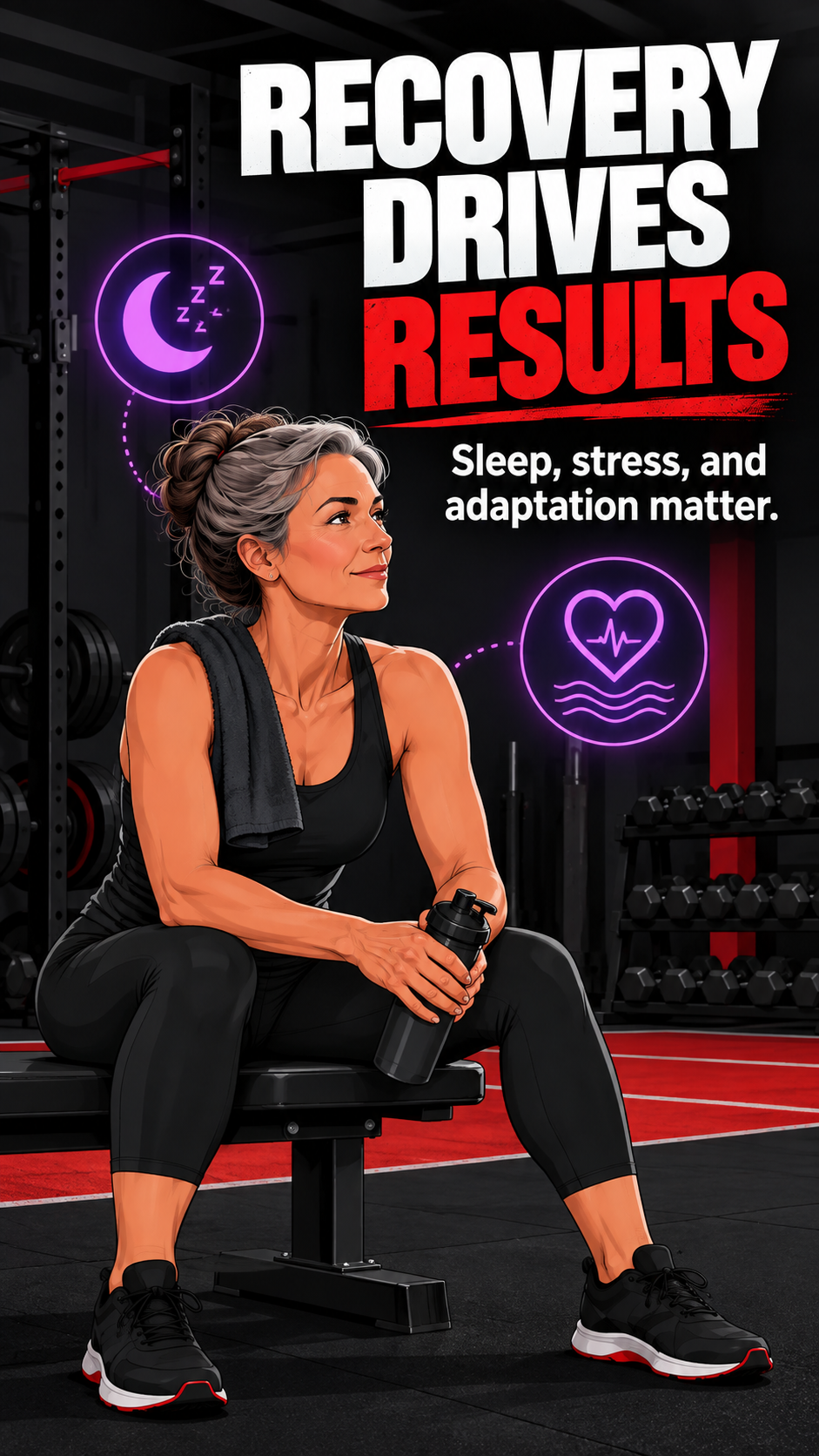
Another thing I hear from women in this age group is that they don’t recover the way they used to. Sometimes sleep is part of the problem. Sometimes stress has increased. Sometimes training volume is simply higher than the person can currently recover from.
Research suggests exercise may support sleep and quality of life during menopause, although the evidence is much less certain when we start talking about specific symptoms such as hot flashes.
From a coaching perspective, I don’t need to diagnose why every bad night of sleep happened to recognize that recovery matters. If poor sleep, high stress, low calorie intake, and hard training are all piling up at the same time, your ability to adapt can suffer.
Sometimes smarter training means doing less junk volume and getting more from the sessions that matter. It may mean spacing hard workouts better, taking recovery days seriously, or adjusting the program during a rough stretch of sleep.
Recovery is not backing away from the goal. It is part of how progress happens.
Stop Letting the Scale Grade Your Progress
Body composition is another area where menopause can create frustration. Research has associated the menopausal transition with changes in fat distribution, including more abdominal or visceral fat, along with changes in lean mass.
That can make scale weight a poor measure of what is really happening.
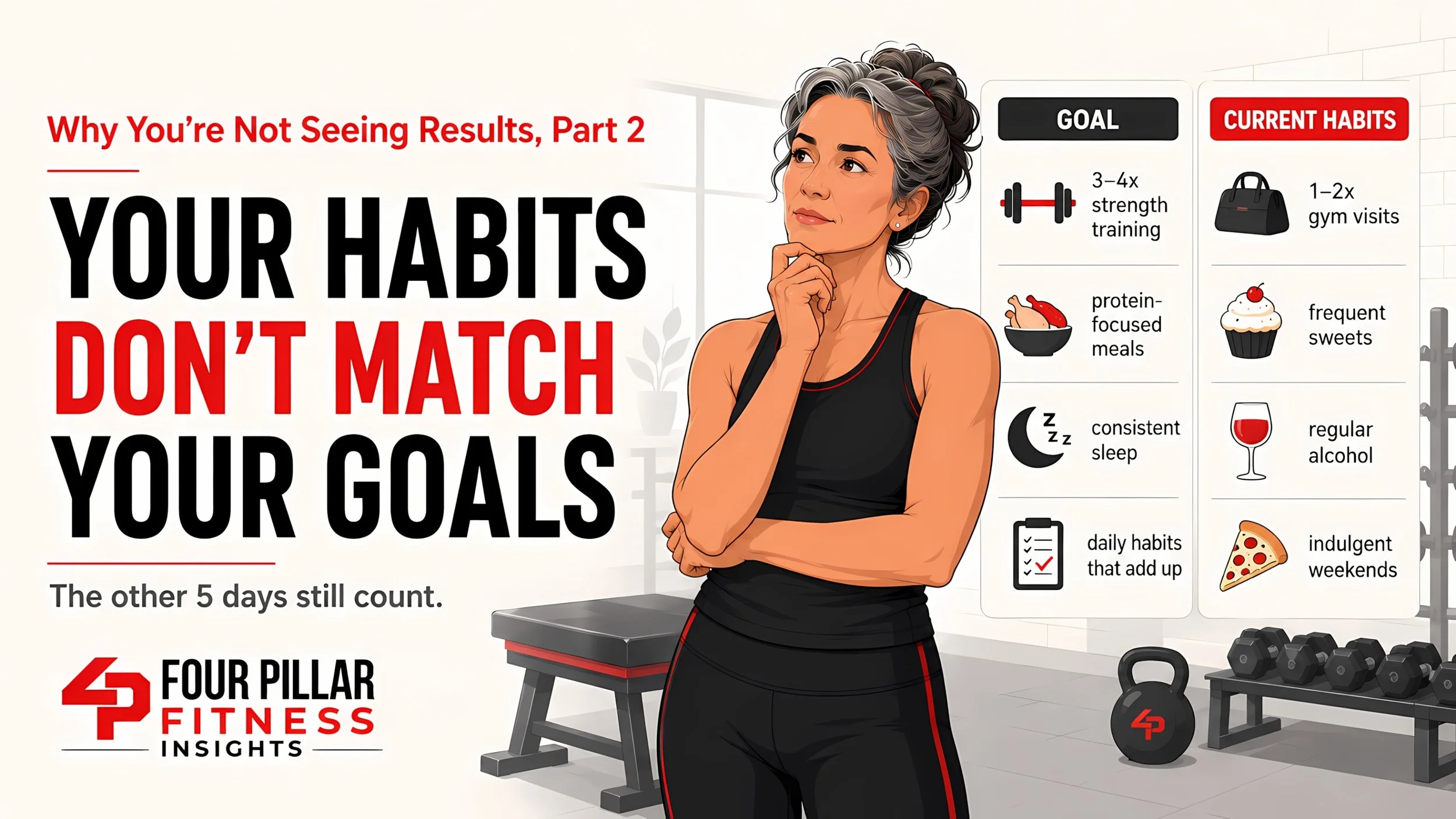
This is why I encourage clients to look at more than pounds. Are you getting stronger? Has your waist measurement changed? Are your clothes fitting differently? Are you training more consistently? Do you have more energy? Are you preserving muscle while losing body fat?
Those are meaningful measures of progress.
Fat loss is still possible during perimenopause and menopause, but the goal shouldn’t be to lose weight at any cost. A better goal is to improve body composition while protecting the muscle and strength you’ll want ten, twenty, and thirty years from now.
Keep Training With Purpose
Perimenopause and menopause may require adjustments, but they do not require surrender.
You may need a different training plan than you followed at 30. You may need to pay more attention to protein. You may need more respect for sleep and recovery. And you may need to stop expecting the bathroom scale to tell you whether your program is working.
Your body is still trainable. You can still become stronger, challenge your muscles, support your bones, improve your habits, and work toward better body composition.
That’s the part of the menopause conversation I want more women to hear. Hormones matter. Aging matters. Medical care may matter. But so do the decisions you make with the things you can control.
Strength training, nutrition, recovery, and consistency are powerful places to start. If you’re not sure how to structure those pieces around your current stage of life, that’s exactly the kind of problem good coaching should help simplify. The goal is not to make fitness more complicated. It is to build a plan you can actually follow, recover from, and progress.
Practical Takeaways
If you’re going through perimenopause or menopause, you do not need a completely different fitness universe. You need to put more emphasis on the fundamentals that protect strength, muscle, recovery, and long-term capability.
Make progressive strength training the foundation of your weekly fitness routine, usually two to four sessions depending on experience and recovery.
Keep walking and cardiovascular exercise, but don’t use cardio as a replacement for resistance training.
Include meaningful sources of protein throughout the day instead of trying to catch up at dinner.
Treat sleep, stress management, and recovery as part of your training program.
Increase resistance gradually as your strength and skill improve.
Measure progress using strength, function, waist measurements, body composition, energy, and consistency alongside scale weight.
If your body and recovery have changed during perimenopause or menopause, what part of your current plan probably needs the most attention? Leave a comment below.
Listen to the podcast on YouTube.
Stephan Earl is a NASM Certified Personal Trainer, Nutrition Coach, and Corrective Exercise Specialist dedicated to helping people build lasting strength and mobility at every age. With a focus on practical, sustainable fitness, he combines science-based training with mindful movement and nutrition.
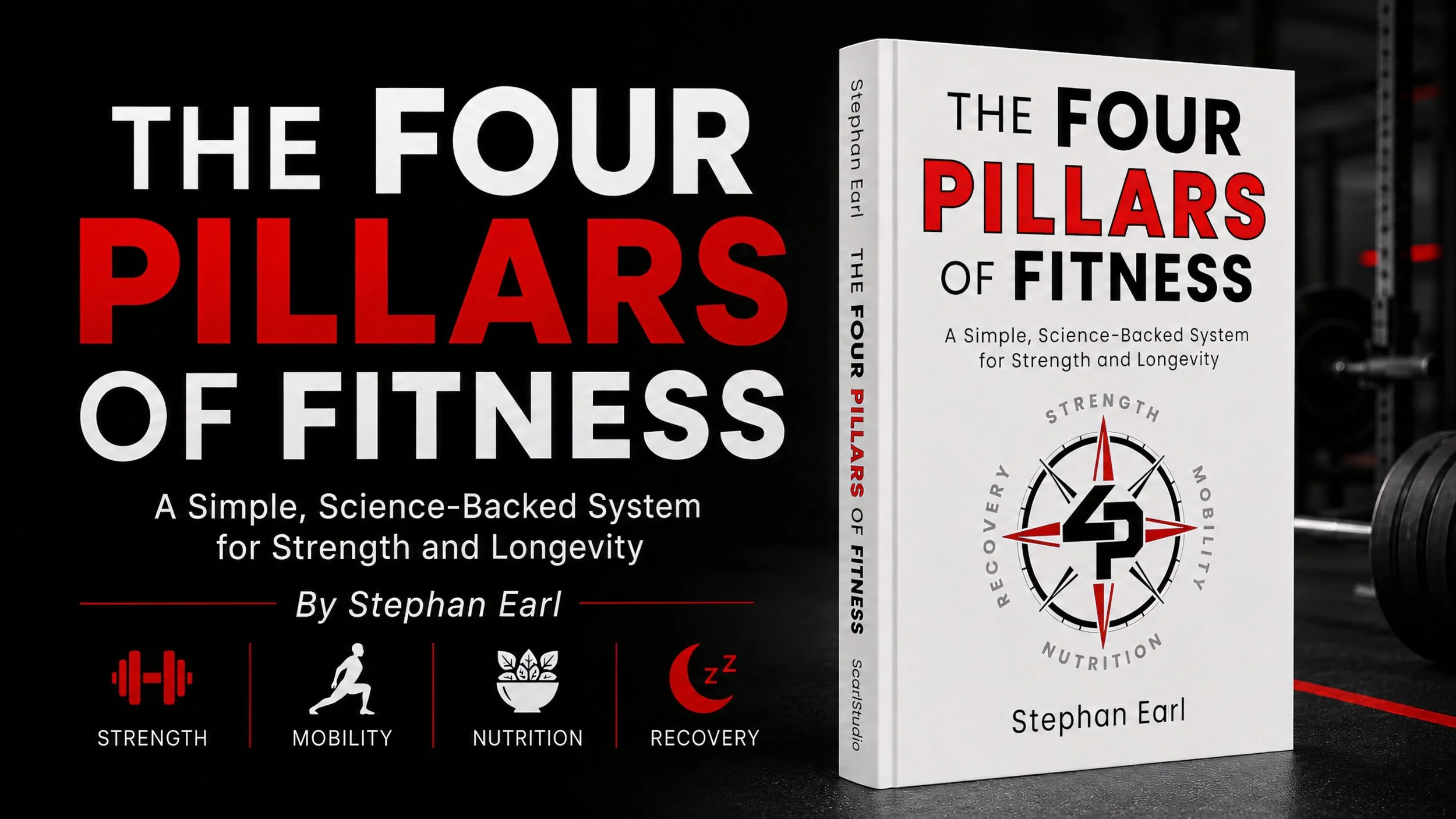
He's the author of The Four Pillars of Fitness: A Simple, Science-Backed System for Strength and Longevity, which explores how to stay strong, mobile, and energized for life. His mission is to help others move better, feel better, and live fully at every stage of their fitness journey.
Learn More
Four Pillar Fitness is built on one clear idea. Strength, Mobility, Nutrition, and Recovery work together to keep you strong and independent at every age. To dive deeper into each pillar, visit 4PFitness.com.
References
Menzies, C., Bowtell, R., Shur, N., & Brook, M. S. (2026). Menopause, female sex hormones, skeletal muscle mass and muscle protein turnover in humans. Journal of Cachexia, Sarcopenia and Muscle, 17(1), e70232.
Tan, T. W., Tan, H. L., Hsu, M. F., Huang, H. L., & Chung, Y. C. (2023). Effect of non-pharmacological interventions on the prevention of sarcopenia in menopausal women: A systematic review and meta-analysis of randomized controlled trials. BMC Women’s Health, 23, 606.
Zhao, F., Su, W., Sun, Y., Wang, J., Lu, B., & Yun, H. (2025). Optimal resistance training parameters for improving bone mineral density in postmenopausal women: A systematic review and meta-analysis. Journal of Orthopaedic Surgery and Research, 20, 523.
Fenton, A. (2021). Weight, shape, and body composition changes at menopause. Journal of Mid-life Health, 12(3), 187-192.
Phillips, S. M., Chevalier, S., & Leidy, H. J. (2016). Protein “requirements” beyond the RDA: Implications for optimizing health. Applied Physiology, Nutrition, and Metabolism, 41(5), 565-572.
Nowson, C., & O’Connell, S. (2015). Protein requirements and recommendations for older people: A review. Nutrients, 7(8), 6874-6899.
Qian, J., et al. (2023). The effect of exercise intervention on improving sleep in menopausal women: A systematic review and meta-analysis.
More Health & Fitness Insights…
Visit the 4P Fitness PRO Shop
Gear up with 4P Fitness-inspired apparel, gear, and accessories with a little gym humor for the people who train hard, recover smart, and still know how to laugh between sets.
Shop the 4P Fitness Pro Shop and find something that fits your fitness life.

Perimenopause and menopause can affect muscle, bone health, recovery, sleep, and body composition. Coach Stephan Earl explains what current research says and why progressive strength training, adequate protein, smart recovery, and realistic expectations can help women stay strong, capable, and active through midlife and beyond.