

Can You Build Muscle and Lose Fat After 50?
Why More Food, More Effort, and More Impatience Don’t Automatically Mean Better Results
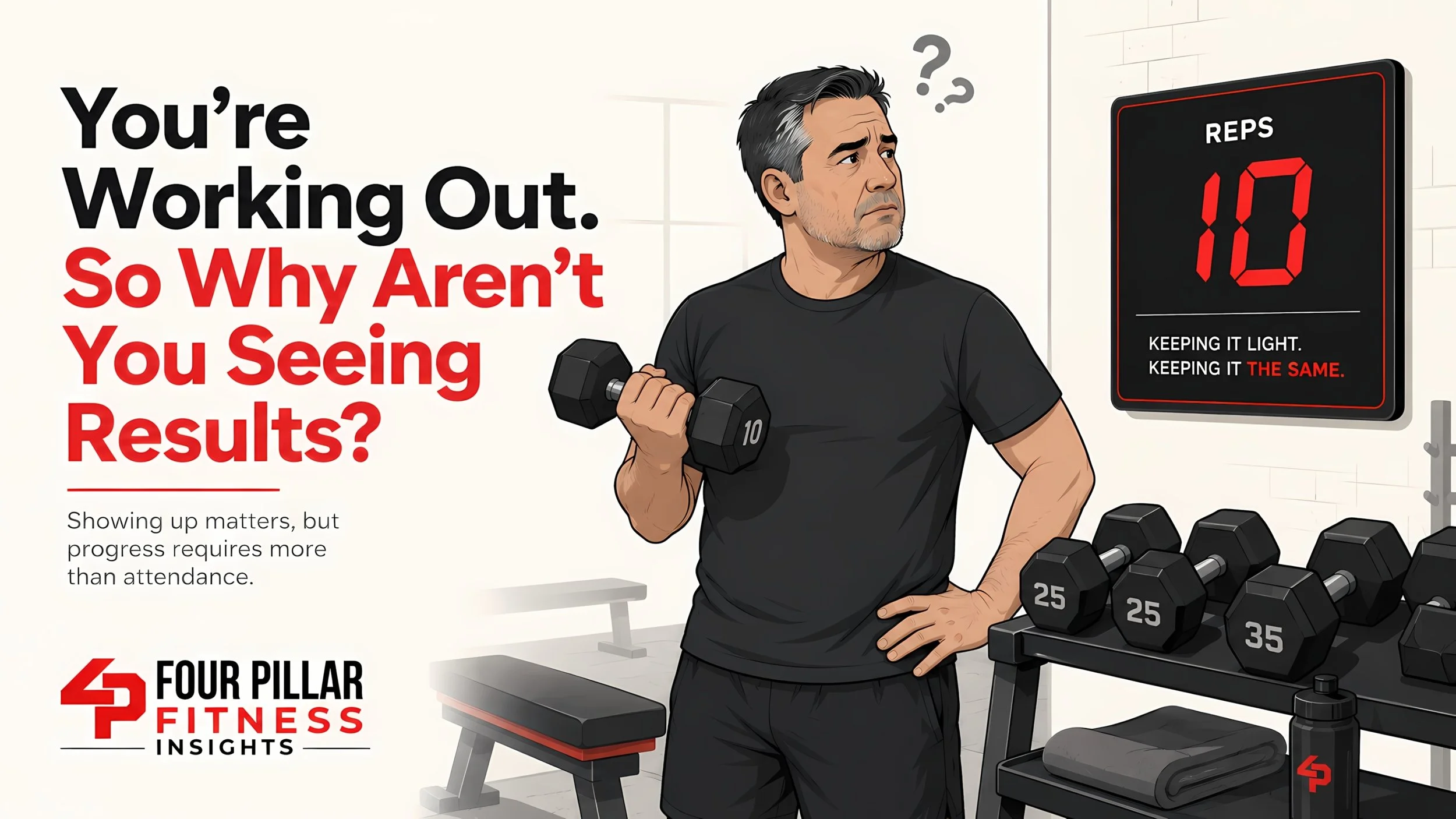
One of the hardest parts of changing your body after 50 isn’t always the training. Sometimes it’s the waiting.
You start lifting consistently. You improve your nutrition. You put in more effort than you have in years. Then a few weeks or months go by, you look in the mirror or step on the scale, and wonder why the results don’t seem to match the work.
I hear versions of this from clients fairly often. Someone has been training for a relatively short time but is already worried that nothing is happening. In reality, strength, movement quality, and training tolerance may be improving before the mirror shows much difference.
That creates a dangerous window where people can convince themselves the process isn’t working and quit too soon. Sometimes the plan needs to change. Sometimes nothing is wrong except the timeline.
Yes, You Can Still Build Muscle After 50
Turning 50 doesn’t shut down your ability to gain strength or muscle.
Research in adults considerably older than 50 continues to show meaningful improvements from resistance training. A 2024 systematic review and meta-analysis involving adults 65 and older found significant increases in both whole-muscle size and muscle-fiber area.
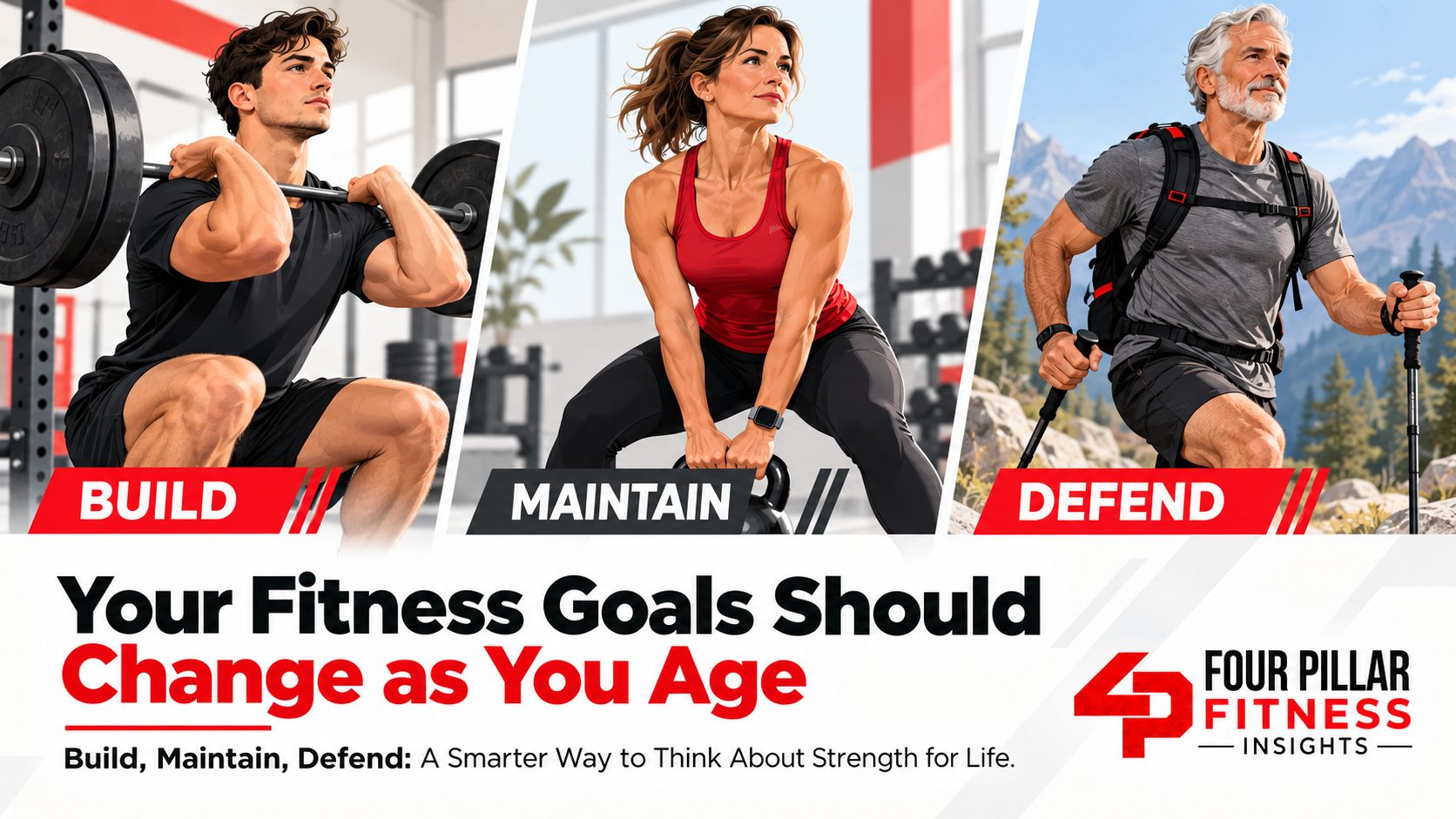
That connects directly to the Build, Maintain, Defend framework I’ve discussed before. As we age, protecting the muscle and physical capacity we already have becomes increasingly important. But defending against loss doesn’t mean we’ve lost the ability to build.
The better question isn’t, “Am I too old to change?” It’s, “What should realistic progress look like now?”
What Should You Realistically Expect?
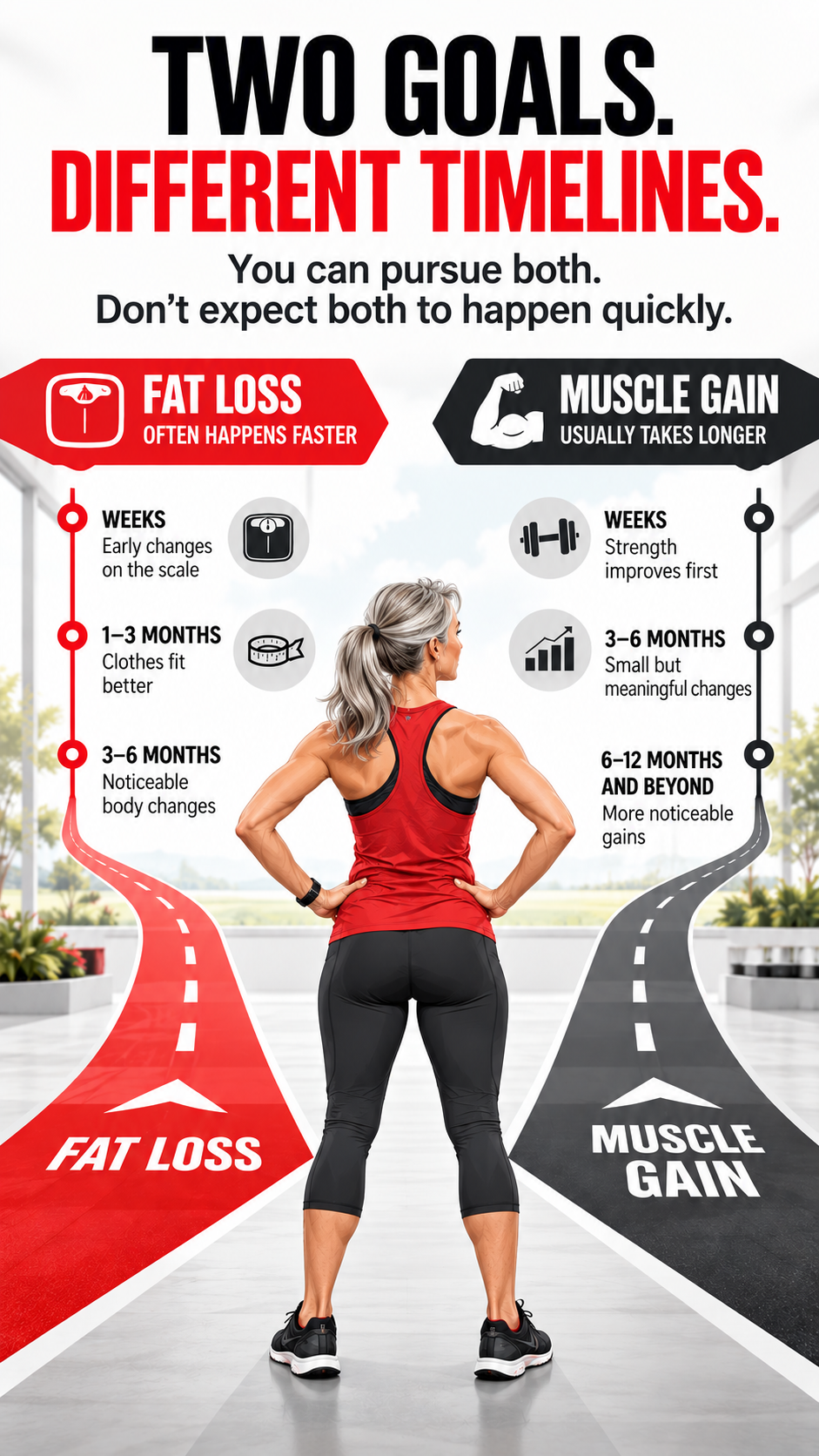
During the first several weeks of resistance training, you may notice better coordination, more confidence with the exercises, improved work capacity, and strength gains before you see much physical change. Some of those early improvements are neurological. Your nervous system is getting better at recruiting and coordinating the muscle you already have.
Actual hypertrophy takes longer. In one study of older adults, measurable increases in quadriceps muscle size became significant after about nine weeks of training. That doesn’t mean everyone will visibly look more muscular at nine weeks. It means muscle growth can be underway before it is obvious in the mirror.
As a practical coaching expectation, think in terms of three to six months for clearly noticeable changes in muscle size and body composition, assuming training, nutrition, sleep, and recovery are reasonably consistent.
Fat loss can move faster. A gradual pace of about one to two pounds per week is commonly recommended, although smaller or leaner people may lose more slowly. If you’re trying to build muscle and lose fat together, expect a slower process. Body recomposition is possible, but it isn’t a race.
More Food Doesn’t Automatically Mean More Muscle
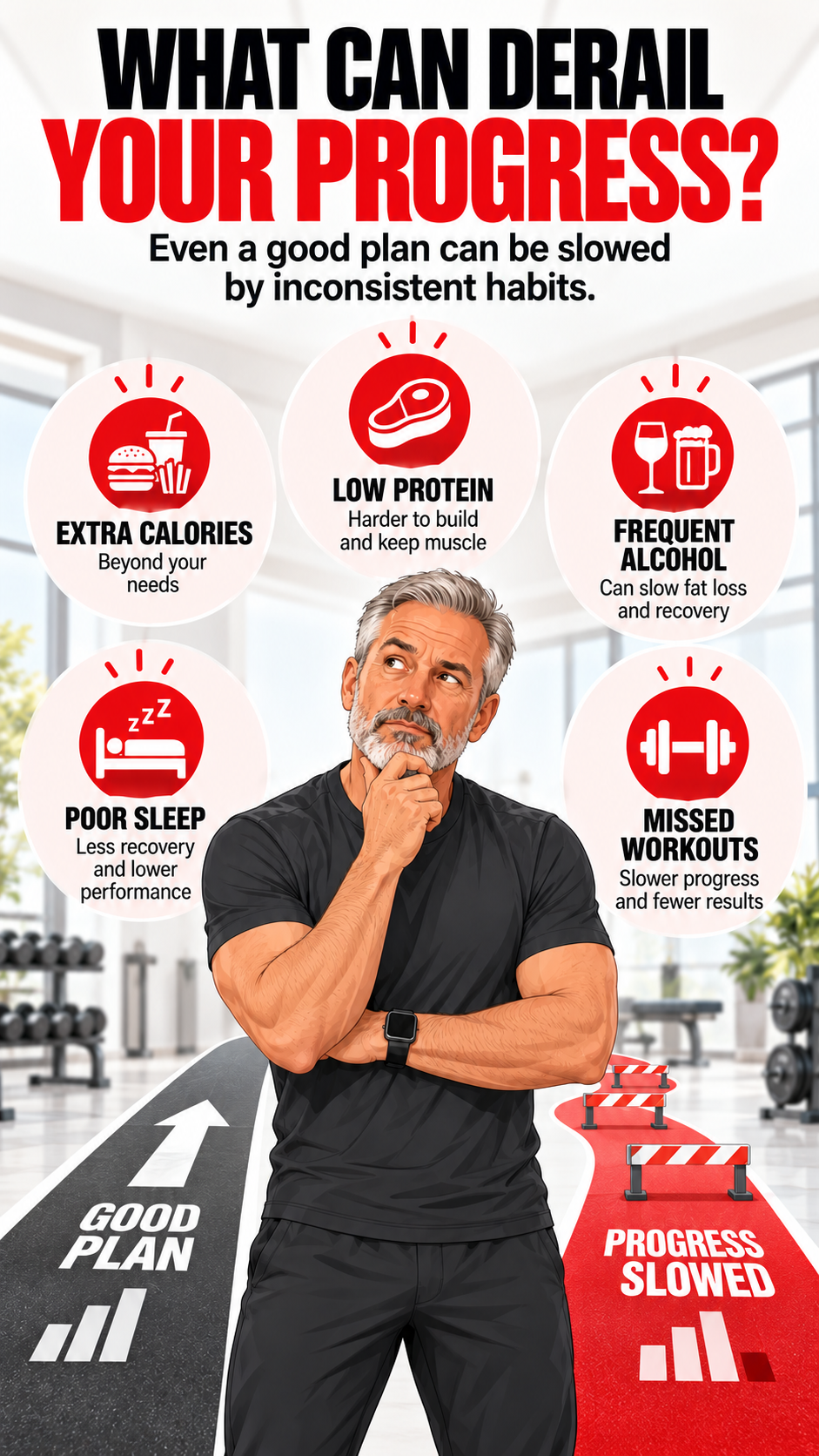
Another misconception I see is that if you’re lifting and trying to gain muscle, eating more must be better.
I had a client in his 50s who wrestled with this idea. His goal included building muscle and losing fat, but he assumed eating above his recommended calorie target should help him build more muscle. When a recent smart-scale reading moved in the wrong direction, frustration followed.
The problem wasn’t his age. It’s the assumption that extra calories automatically become extra muscle.
Resistance training provides the stimulus. Protein supplies amino acids for repair and growth. Calories provide energy. Recovery supports adaptation. But muscle can only be built so quickly.
A 2023 study of resistance-trained adults found that faster weight gain from larger calorie surpluses was associated much more clearly with increased skinfold thickness than with greater muscle growth. The study was small, but the practical lesson is useful: more food doesn’t automatically mean more muscle.
Do You Actually Need a Calorie Surplus?
Not everyone who wants more muscle needs a traditional bulk.
Someone who is new to resistance training, returning after a long layoff, detrained, or carrying more body fat may sometimes gain muscle while reducing body fat. That’s body recomposition.
For some people, a modest calorie deficit makes sense. For others, maintenance calories or a controlled surplus may be more appropriate. The strategy should fit the person, not a slogan.
There’s also a limit to how aggressively you should diet while trying to build or preserve muscle. A meta-analysis found that energy deficits reduced lean-mass gains during resistance training, with larger deficits creating more difficulty.
You can pursue both goals, but you can’t demand that both happen quickly.
Alcohol Belongs in the Conversation
Alcohol can quietly work against several parts of the process.
It contains about seven calories per gram, so regular drinks can make maintaining a calorie deficit harder. Alcohol doesn’t “turn off fat loss,” but those calories still count.
There’s also the recovery side. A frequently cited study by Parr and colleagues found reduced muscle protein synthesis after exercise when participants consumed a very large dose of alcohol, 1.5 grams per kilogram of body weight, about 12 standard drinks under the study’s definition.
That is not evidence that one or two drinks reduce muscle growth by the same percentage.
There’s another piece to consider. Your liver is responsible for metabolizing most of the alcohol you drink, and the body gives that process priority. While alcohol is being metabolized, the way your body handles other fuels temporarily changes, and fat oxidation can decrease.
That doesn’t mean alcohol completely shuts down fat loss, and it certainly doesn’t mean everything you eat while drinking is automatically stored as fat. Total energy balance still matters. But if alcohol is regularly being added on top of your normal food intake, you’re adding calories while also temporarily changing how your body handles fuel.
For someone trying to build muscle while reducing body fat, that means alcohol can work against the goal from more than one direction.
A systematic review found that alcohol did not consistently worsen every recovery measure, but muscle protein synthesis and testosterone tended to decrease while cortisol tended to increase. Because much of this research involves acute, relatively high doses, the long-term effect of moderate drinking on hypertrophy remains less certain.
The takeaway isn’t that you can never drink. It’s that alcohol isn’t nutritionally neutral. If body composition is a priority, frequency and amount matter.
Protein Matters More Than Simply Eating More
You can eat plenty of calories and still have poorly structured nutrition for building muscle.
Protein supplies the amino acids needed for muscle repair and remodeling. With age, muscle may become somewhat less responsive to smaller nutritional and training signals, a concept often called anabolic resistance.
That doesn’t mean older muscle stops responding. Resistance training and adequate protein remain powerful tools for maintaining and building lean tissue.
Before assuming you need more food, make sure what you’re already eating actually supports the goal.
Muscle Memory May Help
If you trained seriously earlier in life and are returning after years away, you may not be starting from the same place as someone who has never trained. Human research suggests some cellular and molecular changes can persist after detraining, although scientists are still determining how much this speeds future muscle regain.
What Happens If You Stop Training?
A week or two away from the gym does not mean your muscle suddenly disappears.
Strength often holds up reasonably well through short breaks. In older adults, a meta-analysis found no statistically significant loss of muscle size across studies with roughly 12 to 24 weeks of detraining, while clearer losses appeared with much longer layoffs. Individual responses vary, and some studies have found declines sooner.
The lesson isn’t to panic about vacations. Consistency across months and years matters far more than a perfect weekly streak.
The Progress You Can’t See Yet
This brings me back to clients who feel discouraged after only a few months.
Coaches often see progress before clients do. Exercises look better, loads feel more manageable, and training becomes more consistent.
Patience doesn’t mean blindly following a plan forever. Look at trends in body weight, waist measurements, strength, clothing fit, progress photos when appropriate, and body-composition measurements.
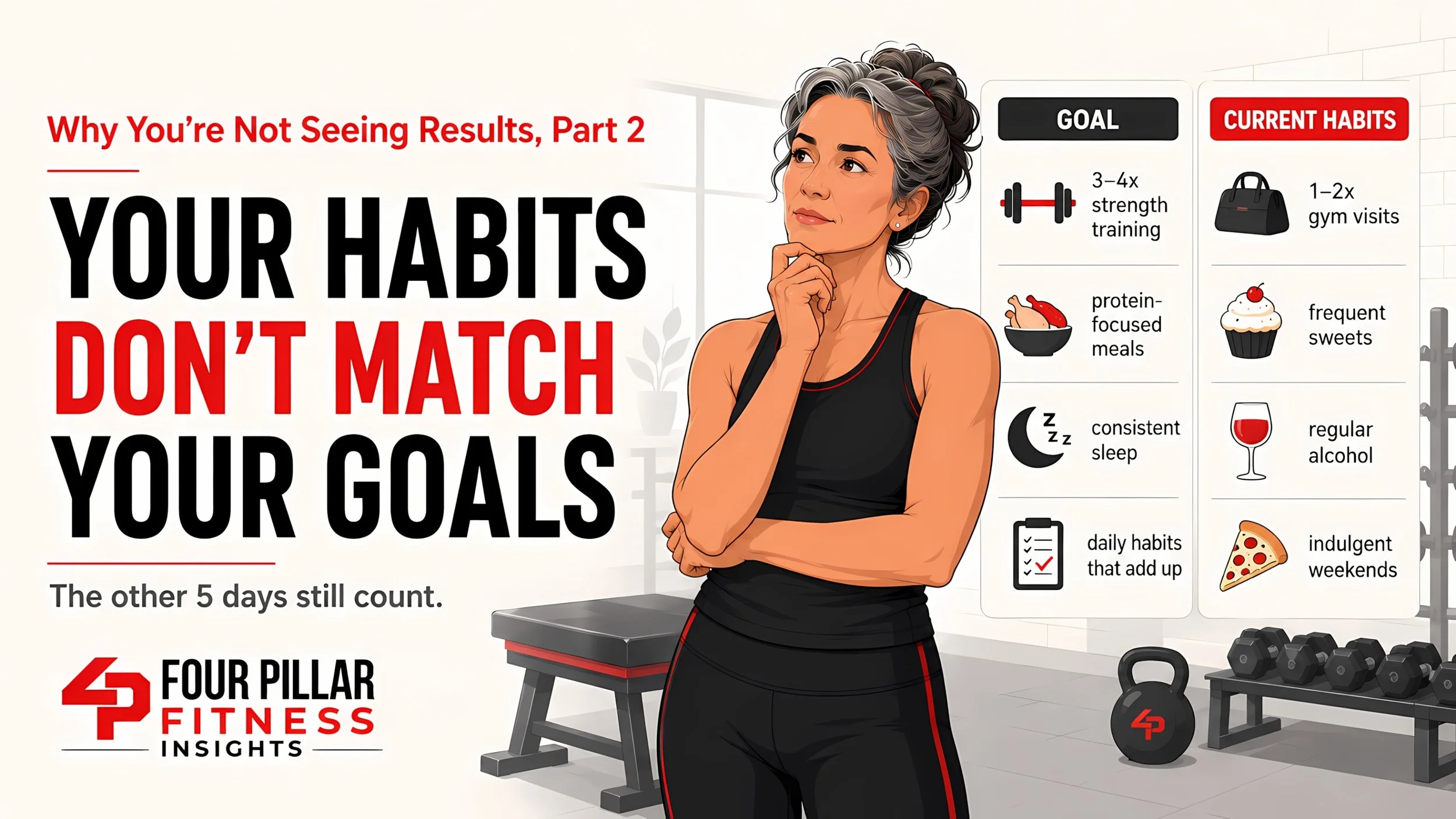
Then look at execution. Are calories close to target? Is protein consistent? How often are workouts missed? How much alcohol are you drinking? How is your sleep?
Sometimes the plan needs adjusting. Other times the plan is fine, but the execution doesn’t match the goal.
That’s where coaching can help. A good coach isn’t just giving you workouts. They’re helping you interpret the data, adjust the plan when needed, and keep you from changing course every time the scale or mirror gives you a result you don’t like.
A Smart Scale Is Information, Not a Verdict
Smart scales can be useful, but their body-composition estimates are not precise.
Research comparing consumer smart scales with DEXA found that they measured body weight reasonably well but were much less accurate at estimating fat and muscle mass. Use them under similar conditions and look at trends instead of reacting to one reading.
If one number can ruin your morning, it probably has more authority than it deserves.
Keep the Ambition. Fix the Timeline.
I don’t want adults over 50 lowering their goals simply because they crossed an arbitrary birthday.
You can build muscle, lose fat, get stronger, and improve body composition well into later life. But even when you’re doing almost everything right, those changes take time.
Think weeks for early strength and skill improvements. Think months for noticeable hypertrophy and meaningful body-composition change. And think years when you’re talking about building and defending physical capacity for life.
Train consistently. Eat enough protein. Match calories to the goal. Manage alcohol, sleep, and recovery. Watch trends instead of individual readings.
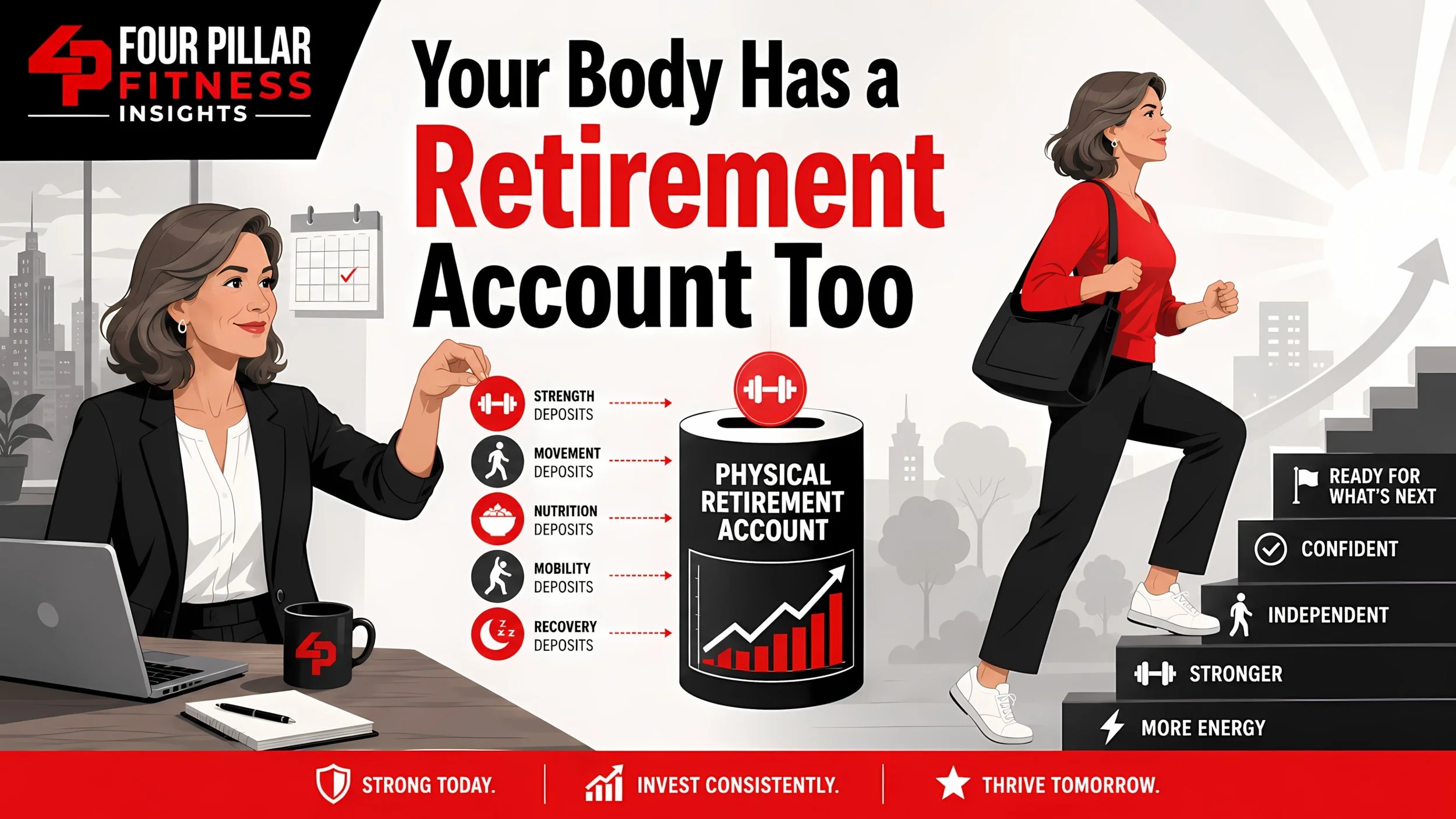
Build, Maintain, Defend isn’t a one-way road. Defending what you’ve earned may become more important with age, but you can still build.
Practical Takeaway
If muscle gain is your priority, get training, protein, recovery, and consistency right before assuming you need more calories.
If fat loss is the priority, use a sustainable calorie deficit and protect your training and protein intake.
If you want both, give the process time. Three disciplined months tell you far more than three frustrating weeks.
If you’re trying to change your body after 50, which is harder for you: staying patient long enough to see progress, or knowing whether you’re actually on the right track? Leave a comment below.
Listen to the podcast on YouTube.
Stephan Earl is a NASM Certified Personal Trainer, Nutrition Coach, and Corrective Exercise Specialist dedicated to helping people build lasting strength and mobility at every age. With a focus on practical, sustainable fitness, he combines science-based training with mindful movement and nutrition.
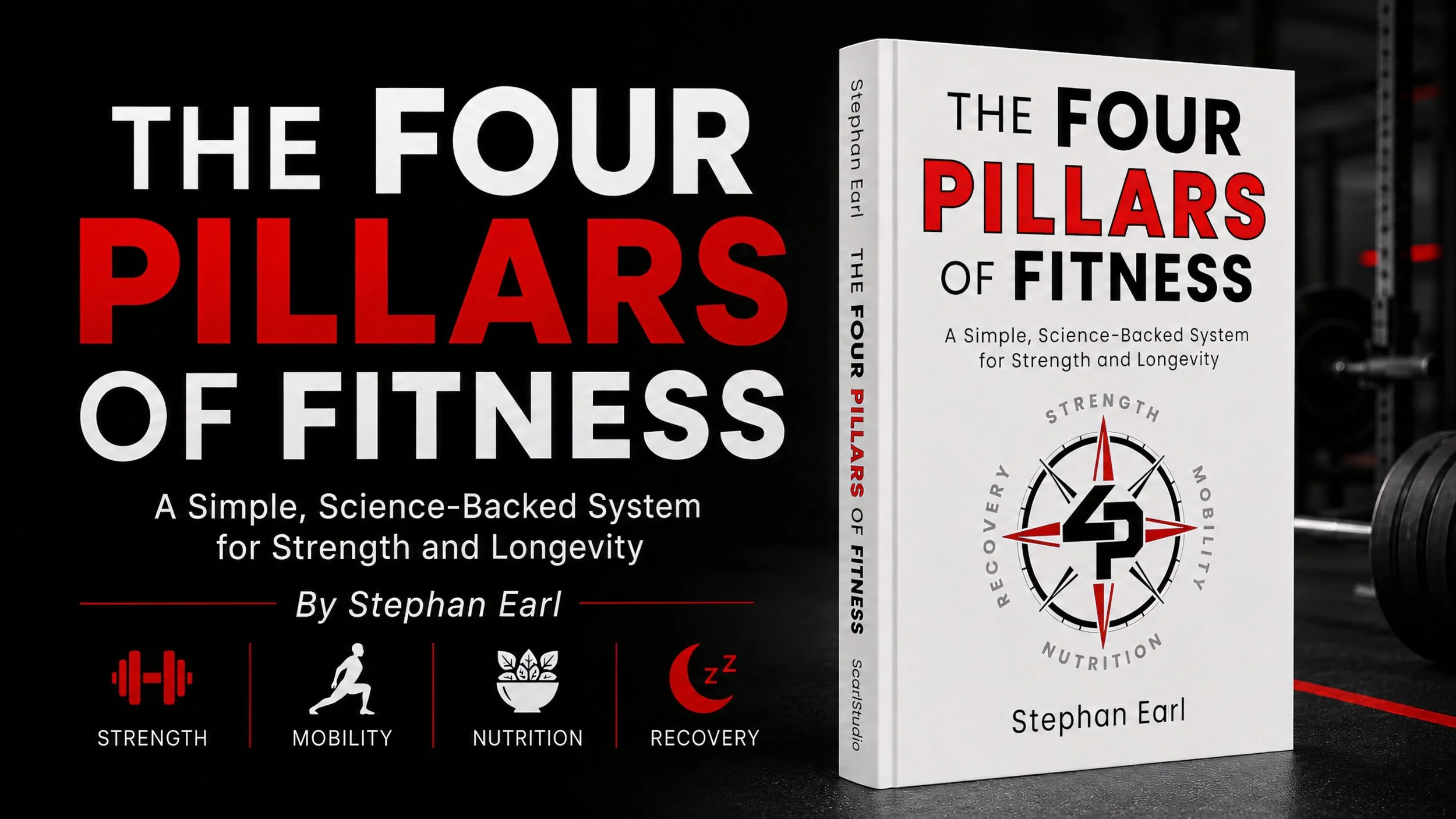
He's the author of The Four Pillars of Fitness: A Simple, Science-Backed System for Strength and Longevity, which explores how to stay strong, mobile, and energized for life. His mission is to help others move better, feel better, and live fully at every stage of their fitness journey.
Learn More
Four Pillar Fitness is built on one clear idea. Strength, Mobility, Nutrition, and Recovery work together to keep you strong and independent at every age. To dive deeper into each pillar, visit 4PFitness.com.
References
Alves de Santana, D., Scolfaro, P. G., Marzetti, E., & Cavaglieri, C. R. (2024). Lower extremity muscle hypertrophy in response to resistance training in older adults: Systematic review, meta-analysis, and meta-regression of randomized controlled trials. Experimental Gerontology, 198, 112639.
Watanabe, Y., et al. (2015). Time course of resistance training-induced muscle hypertrophy in the elderly. Journal of Strength and Conditioning Research.
Helms, E. R., Spence, A. J., Sousa, C., et al. (2023). Effect of small and large energy surpluses on strength, muscle, and skinfold thickness in resistance-trained individuals. Sports Medicine - Open, 9, 102.
Murphy, C., & Koehler, K. (2022). Energy deficiency impairs resistance training gains in lean mass but not strength: A meta-analysis and meta-regression. Scandinavian Journal of Medicine & Science in Sports, 32(1), 125-137.
Parr, E. B., Camera, D. M., Areta, J. L., et al. (2014). Alcohol ingestion impairs maximal post-exercise rates of myofibrillar protein synthesis following a single bout of concurrent training. PLOS ONE, 9(2), e88384.
Lakićević, N. (2019). The effects of alcohol consumption on recovery following resistance exercise: A systematic review. Journal of Functional Morphology and Kinesiology, 4(3), 41.
Bosquet, L., Berryman, N., Dupuy, O., et al. (2013). Effect of training cessation on muscular performance: A meta-analysis. Scandinavian Journal of Medicine & Science in Sports, 23(3), e140-e149.
McLeod, J. C., et al. (2022). Use it or lose it? A meta-analysis on the effects of resistance training cessation on muscle size in older adults. International Journal of Environmental Research and Public Health, 19(21), 14048.
Frija-Masson, J., Mullaert, J., Vidal-Petiot, E., et al. (2021). Accuracy of smart scales on weight and body composition: Observational study. JMIR mHealth and uHealth, 9(4), e22487.
Centers for Disease Control and Prevention. Steps for Losing Weight.
More Health & Fitness Insights…
Visit the 4P Fitness PRO Shop
Gear up with 4P Fitness-inspired apparel, gear, and accessories with a little gym humor for the people who train hard, recover smart, and still know how to laugh between sets.
Shop the 4P Fitness Pro Shop and find something that fits your fitness life.

Can you build muscle and lose fat after 50? Yes, but the process depends on more than training hard or eating more. Learn how calorie intake, protein, alcohol, recovery, training history, body recomposition, smart-scale readings, and realistic timelines affect muscle gain and fat loss as you get older.