

The Ultra-Processed Food Reckoning: How to Clean Up Your Nutrition Without Losing Your Mind
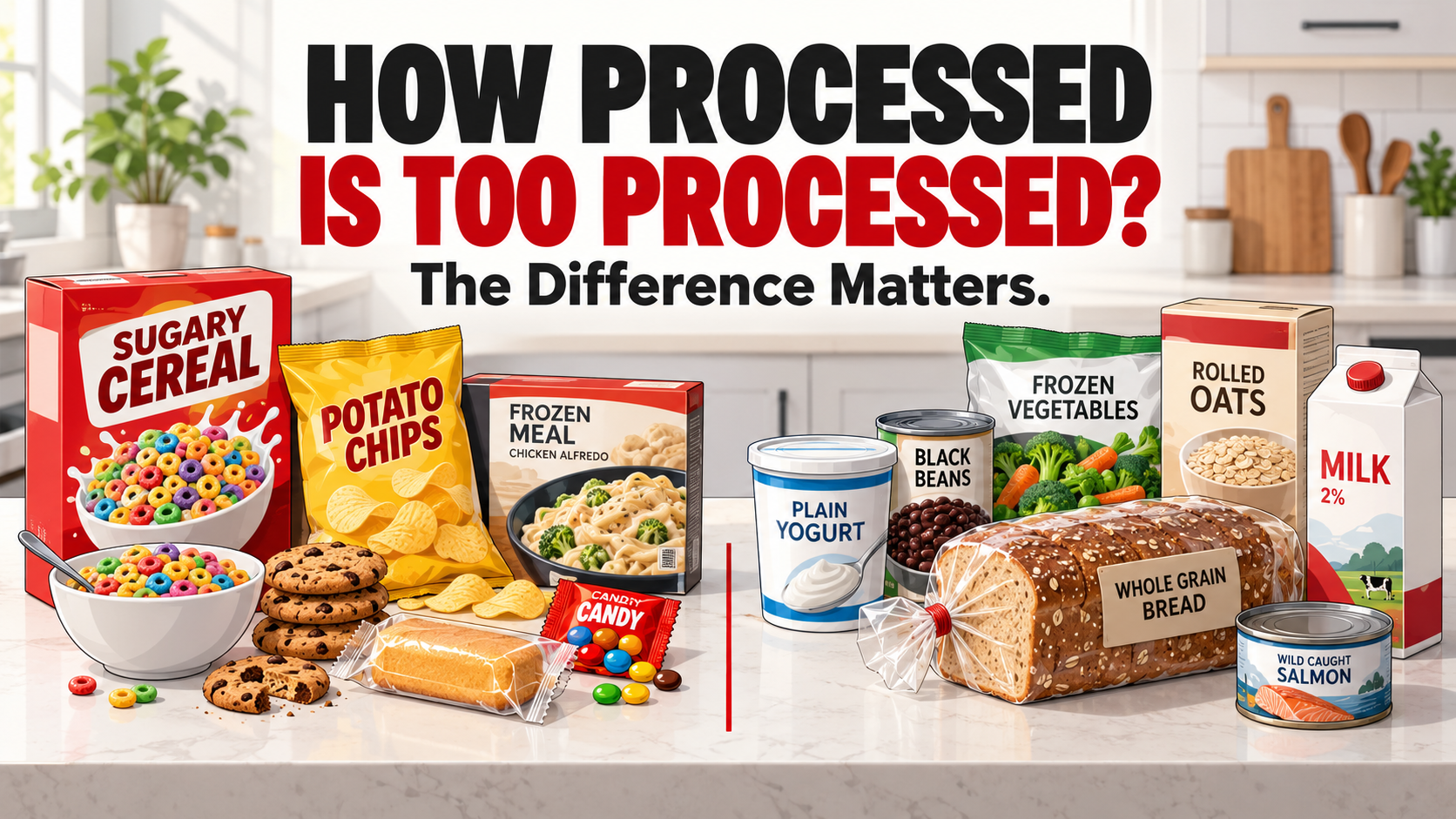
It seems like every time we get comfortable with what we're eating, someone comes along to tell us we've been doing it wrong. First, fat was the problem. Then carbohydrates became the enemy. Sugar took its turn, followed by artificial sweeteners. Now ultra-processed foods are in the spotlight, and even familiar grocery staples are being questioned.
As a nutrition coach, I understand the frustration. People are trying to eat better, manage their weight, and get enough protein while juggling work and family. They're looking for practical advice about what to eat, not another set of rules that makes grocery shopping more complicated. The concern about ultra-processed foods is legitimate, but we need to separate what research shows from what social media encourages us to fear.
Haven't We Been Here Before?
Nutrition advice has a habit of turning complicated subjects into arguments about good foods and bad foods. Avoiding an entire category sounds simpler than discussing nutritional quality and eating habits, but that can leave people confused when the rules change. We saw it with the low-fat craze and later with carbohydrates. Oatmeal and soda both contain carbohydrates, but they don't offer the same nutrition. That distinction matters just as much when we're talking about processing.
What Does Ultra-Processed Actually Mean?
Nearly everything we eat is processed in some way. Freezing berries, pasteurizing milk, cooking chicken, and canning beans all change food, sometimes making it safer or easier to use. Researchers commonly use the NOVA system, which groups foods according to the nature and purpose of processing:
Unprocessed or minimally processed: Vegetables, fruit, eggs, plain meats, beans, and nuts.
Processed culinary ingredients: Olive oil, butter, salt, and sugar used in cooking.
Processed foods: Many cheeses, canned vegetables with added salt, and traditional breads.
Ultra-processed foods: Industrial formulations often containing refined food substances or additives not commonly used at home. Many soft drinks, packaged sweets, snack foods, and ready-to-eat products fall into this category.
NOVA is useful for studying diets, but it doesn't measure nutritional quality. Some whole-grain breads, flavored yogurts, and protein products may qualify as ultra-processed while still providing useful nutrients. How a food is classified doesn't tell you everything you need to know about its nutritional value.
What the Research Actually Shows
In a 2019 National Institutes of Health study, 20 adults spent two weeks eating an ultra-processed diet and two weeks eating an unprocessed diet. Researchers matched the meals offered for several nutritional characteristics, including calories, macronutrients, sugar, sodium, and fiber. Participants could eat as much or as little as they wanted. On the ultra-processed diet, they consumed about 500 more calories a day and gained weight; during the unprocessed phase, they ate less and lost weight.
That's an important finding for anyone working on body composition, but it was a small, short-term trial. It doesn't prove every ultra-processed product encourages overeating or establish exactly why the difference occurred. A 2024 review in The BMJ also linked higher ultra-processed food consumption with several unfavorable outcomes, including type 2 diabetes and cardiovascular problems. Much of that evidence was observational, meaning it identified associations rather than proving that processing itself caused disease.
Why Can Ultra-Processed Foods Be a Problem?
One concern is how easily some ultra-processed foods can contribute to excess calorie intake. Products that are calorie-dense, quick to eat, and low in fiber may be less satisfying than a balanced meal. If you're consistently eating more energy than your body uses, that surplus can lead to weight gain and increased body fat. Your body doesn't automatically store a food as fat simply because it's processed. Your total calorie intake and broader habits still matter.
Researchers are also studying connections between ultra-processed foods, inflammation, blood sugar regulation, and gut health. Many of these products contain substantial amounts of refined starch, added sugar, sodium, or saturated fat while providing relatively little fiber. Diets with those characteristics may contribute to poorer metabolic and cardiovascular health over time.
Scientists are also investigating whether certain food additives have effects beyond a product's nutritional content. For example, a small controlled human study found that consumption of the emulsifier carboxymethylcellulose changed participants' gut bacteria and related measures. While those findings raise legitimate questions about intestinal health and possible inflammatory effects, they don't establish that all emulsifiers or preservatives cause chronic inflammation.
This is another reason to pay attention to what's in packaged foods, particularly those you consume regularly. The research is still developing, but it's worth considering alongside the nutritional quality of the food.
Another issue is what these foods replace. When sugary drinks, packaged snacks, and less nutritious convenience meals dominate your diet, there's often less room for vegetables, fruit, whole grains, and protein-rich foods. You may end up getting fewer of the nutrients that support health and training. That doesn't mean you can never have a snack. It means the foundation of your diet matters more than any single item.
Convenience Foods Aren't Automatically Bad Foods
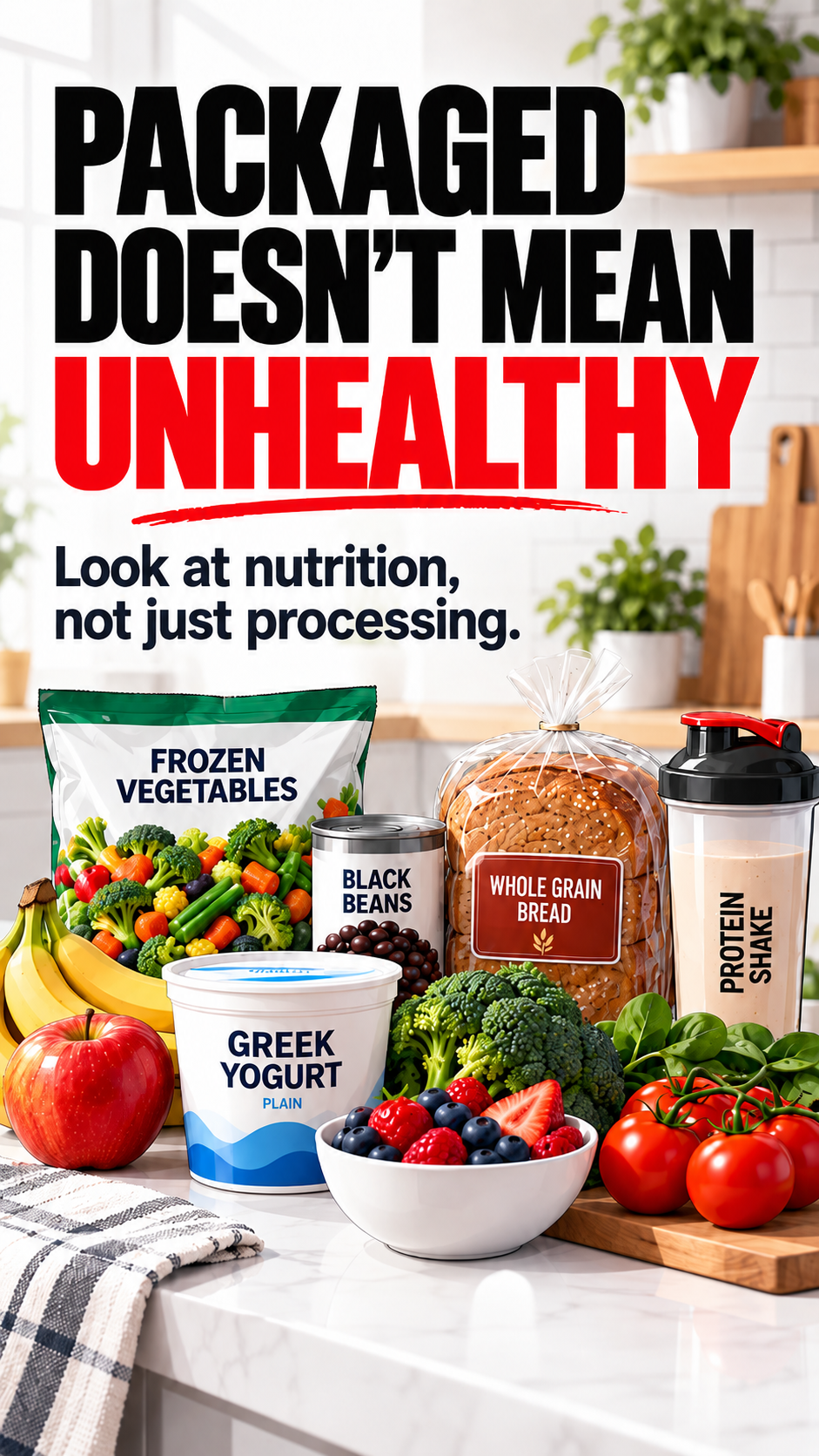
Here's where I think the conversation becomes less helpful. Someone hears that ultra-processed foods are unhealthy, then starts questioning frozen vegetables, canned beans, bread, and protein shakes. Suddenly, eating well becomes harder than it needs to be. Frozen vegetables offer convenient nutrition, canned beans provide fiber and plant protein, and Greek yogurt can help make breakfast more satisfying.
I encourage my clients to get most of their nutrition from balanced meals, but I'm practical about it. If a protein shake helps someone meet their daily protein goal during a busy workday, I don't see that as a problem. A bar or shake isn't automatically better than a meal, and it isn't automatically worse because it has processed ingredients. Look at its nutritional value, how often you rely on it, and how well it fits your needs. Certain sugar alcohols can cause digestive discomfort for some people, for example, but that's a matter of tolerance rather than a reason to fear every product containing them.
Five Ways to Eat Better Without More Food Rules
1. Start With Protein and Plants
Build meals around a protein source such as chicken, fish, eggs, tofu, beans, lean meat, or Greek yogurt. Add vegetables or fruit, fiber-rich carbohydrates, and appropriate portions of healthy fats. Protein helps maintain muscle and supports recovery, while fiber-rich foods can support fullness and digestive health. This isn't about eliminating carbohydrates or making every plate identical. It's about creating balanced meals you can repeat.
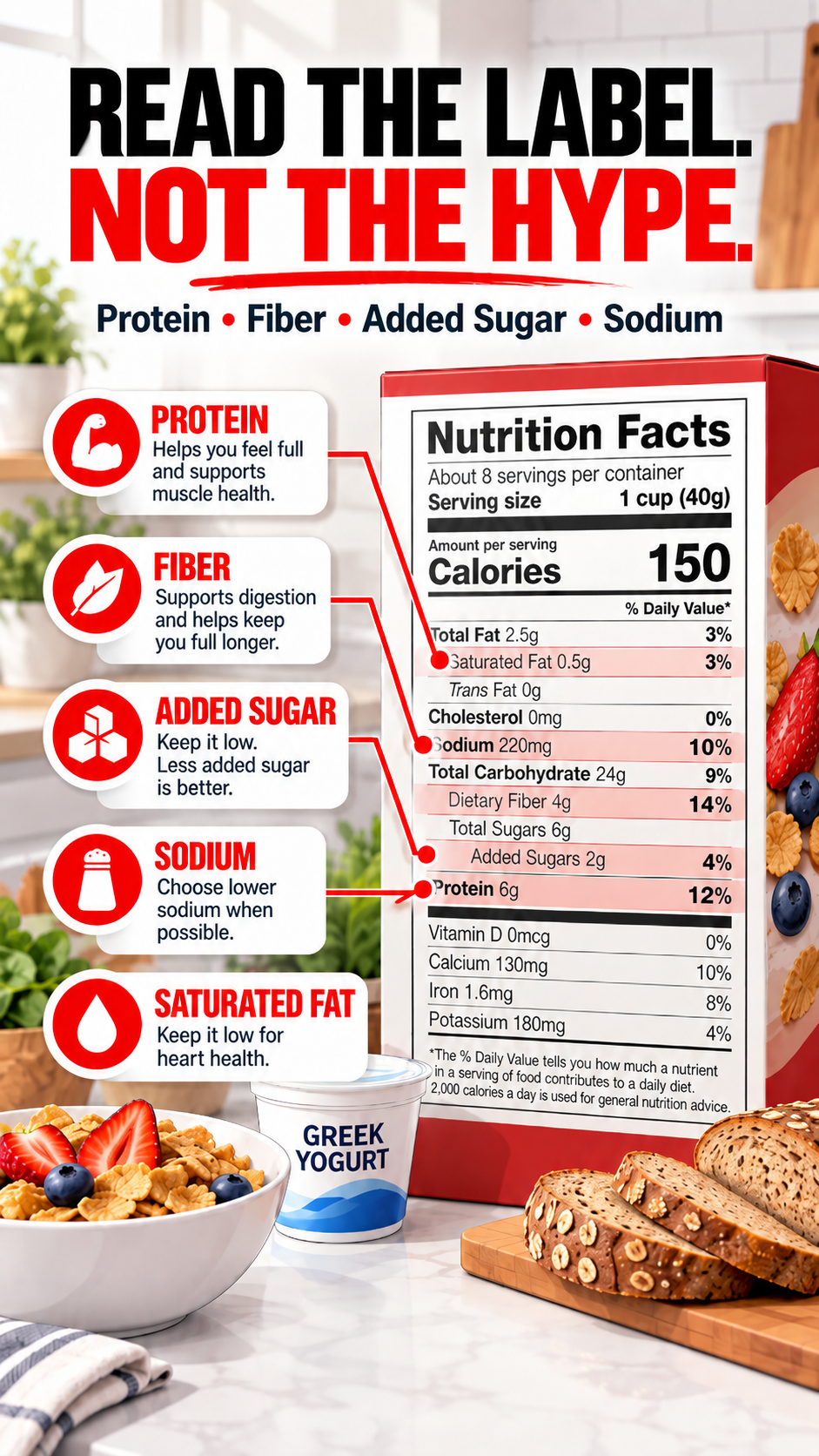
2. Read the Ingredients and Nutrition Facts
A shorter ingredient list can be a useful starting point when choosing packaged foods. A long list containing numerous emulsifiers, preservatives, artificial colors, and other additives may indicate that a product has been heavily processed. That's worth examining, particularly if it's something you eat regularly. Researchers are investigating whether certain additives may affect gut health and contribute to inflammatory processes, although not every additive is harmful.
My advice is to read both the ingredient list and the Nutrition Facts label. Look at what's been added and consider the protein, fiber, added sugar, saturated fat, sodium, and serving size. Ingredient count alone doesn't determine whether a food is healthy, but understanding what goes into a product can help you make more informed choices.
3. Upgrade the Convenience Foods You Use Most
If breakfast is usually a pastry on your commute, try Greek yogurt with fruit or eggs and toast a few days a week. Keep frozen vegetables and easy protein options available for busy evenings. If you're hungry between meetings, consider a snack with protein or fiber instead of automatically reaching for something that doesn't satisfy you. Small changes to familiar routines are easier to maintain than a complete pantry overhaul.
4. Judge the Pattern, Not the Occasional Snack
One bag of chips won't define your health, just as one salad won't transform it. Look at the week as a whole. Are you eating enough protein and fiber? Do fruits and vegetables show up regularly? Are convenience foods supporting balanced meals or replacing most of them? Calories still matter for weight management, and even minimally processed foods can be calorie-dense. The goal is a better overall pattern, not a flawless grocery receipt.
5. Change What You Can Sustain
Trying to change every meal overnight often creates more work than progress. Start with one habit, practice it until it feels manageable, then tackle another. I'd rather see a client improve breakfast and bring a reasonable lunch consistently than follow a restrictive plan for ten days and abandon it when work gets busy. A good nutrition strategy has to survive an ordinary Tuesday, not just an ideal Sunday.
Bring It Back to the Four Pillars
Nutrition is part of a bigger picture. Strength training gives your muscles a reason to adapt, good nutrition helps fuel that work, and recovery gives your body time to respond. Mobility supports how effectively you move through training and daily life. That's why Four Pillar Fitness is built around Strength, Mobility, Nutrition, and Recovery. They work together, and no individual food, supplement, or food rule can replace that foundation.
The Coach's Takeaway
There's good reason to limit diets dominated by nutrient-poor ultra-processed foods, but no benefit in turning every package into a warning sign. Eat mostly nutrient-dense foods, get enough protein and fiber, and use convenient options thoughtfully when they help you stay consistent. You don't need a perfect pantry. You need an eating strategy that supports your health, your goals, and the life you're actually living. Your path to strength and longevity should involve science, but it doesn't have to be rocket science.
Has the conversation about ultra-processed foods changed how you shop, or has it mostly made grocery decisions more confusing? Leave a comment below.
Listen to the podcast on YouTube.
Stephan Earl is a NASM Certified Personal Trainer, Nutrition Coach, and Corrective Exercise Specialist dedicated to helping people build lasting strength and mobility at every age. With a focus on practical, sustainable fitness, he combines science-based training with mindful movement and nutrition.
He's the author of The Four Pillars of Fitness: A Simple, Science-Backed System for Strength and Longevity, which explores how to stay strong, mobile, and energized for life. His mission is to help others move better, feel better, and live fully at every stage of their fitness journey.
Learn More
Four Pillar Fitness is built on one clear idea. Strength, Mobility, Nutrition, and Recovery work together to keep you strong and independent at every age. To dive deeper into each pillar, visit 4PFitness.com.
References
Hall, K. D., et al. (2019). Ultra-processed diets cause excess calorie intake and weight gain: An inpatient randomized controlled trial of ad libitum food intake. Cell Metabolism, 30(1), 67–77.e3.
Monteiro, C. A., et al. (2019). Ultra-processed foods: What they are and how to identify them. Public Health Nutrition, 22(5), 936–941.
Lane, M. M., et al. (2024). Ultra-processed food exposure and adverse health outcomes: Umbrella review of epidemiological meta-analyses. BMJ, 384, e077310.
Vadiveloo, M. K., et al. (2025). Ultraprocessed foods and their association with cardiometabolic health: Evidence, gaps, and opportunities. Circulation, 152, e245–e263.
More Health & Fitness Insights…


Visit the 4P Fitness PRO Shop
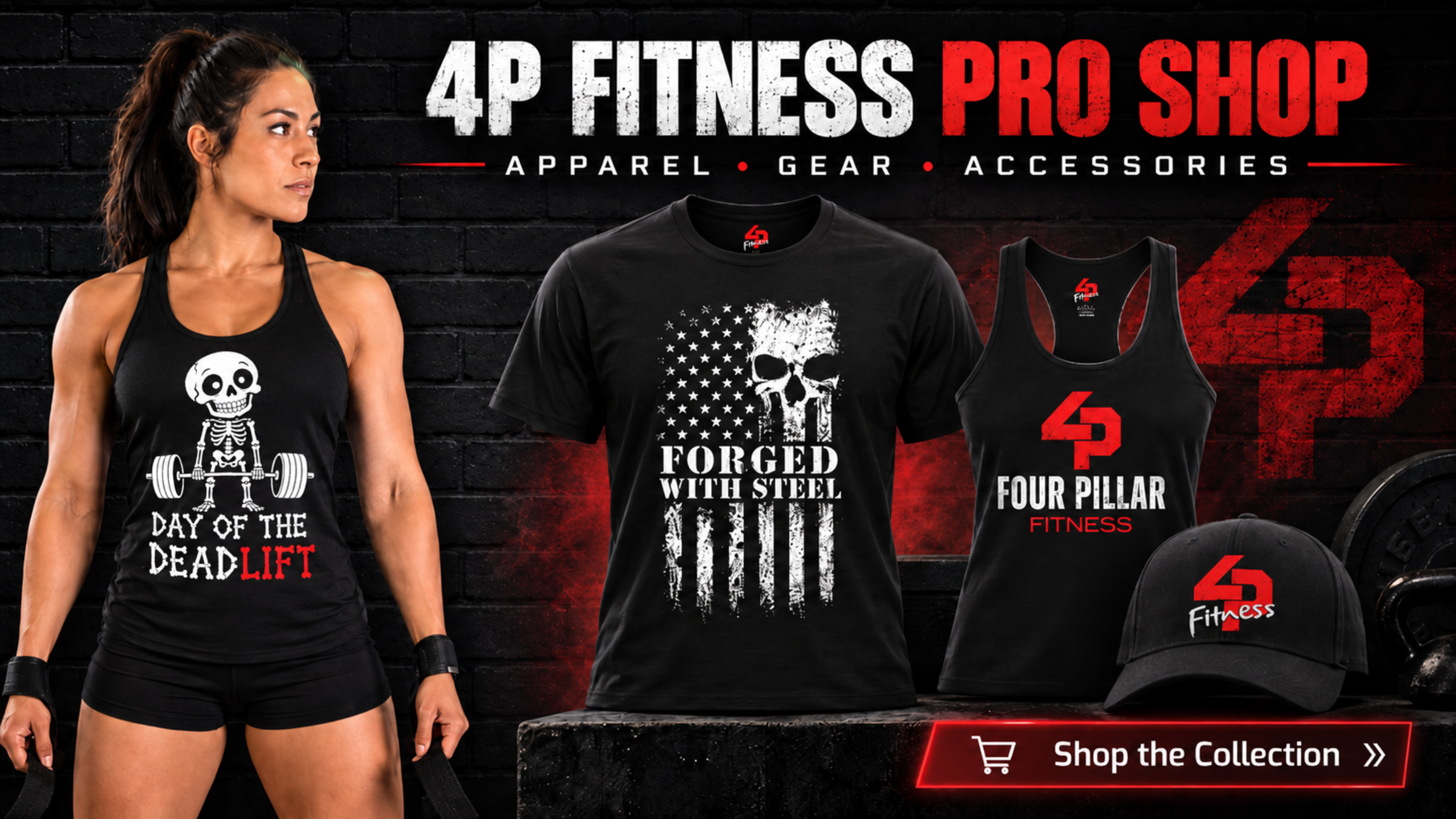
Gear up with 4P Fitness-inspired apparel, gear, and accessories with a little gym humor for the people who train hard, recover smart, and still know how to laugh between sets.
Shop the 4P Fitness Pro Shop and find something that fits your fitness life.

Are ultra-processed foods really bad for your health? Coach Stephan Earl examines the research on processed foods, weight gain, inflammation, and metabolic health, including why some packaged foods can fit into a healthy diet. Learn how to read nutrition labels, prioritize protein and fiber, improve everyday meals, and make practical food choices without restrictive rules or unnecessary food anxiety.